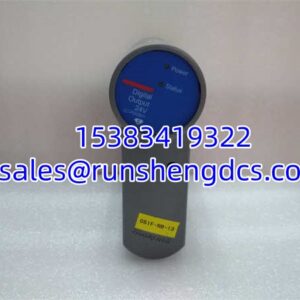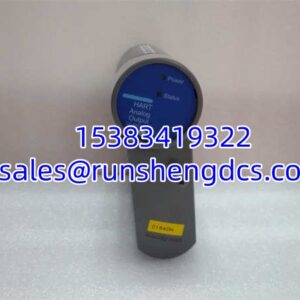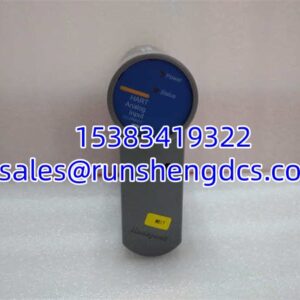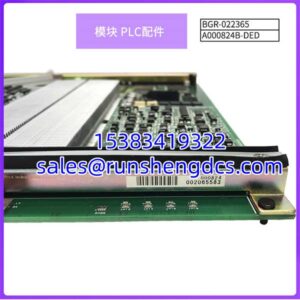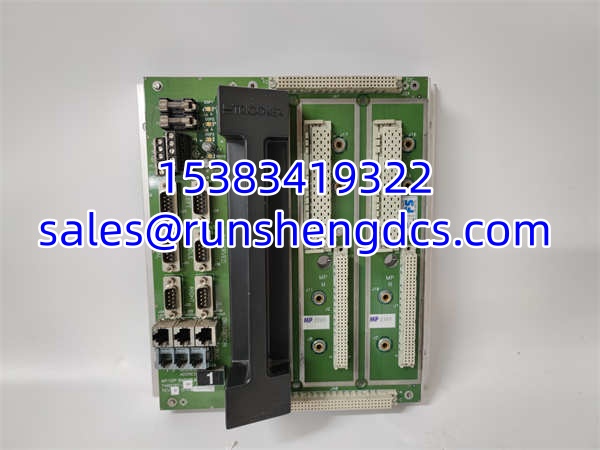
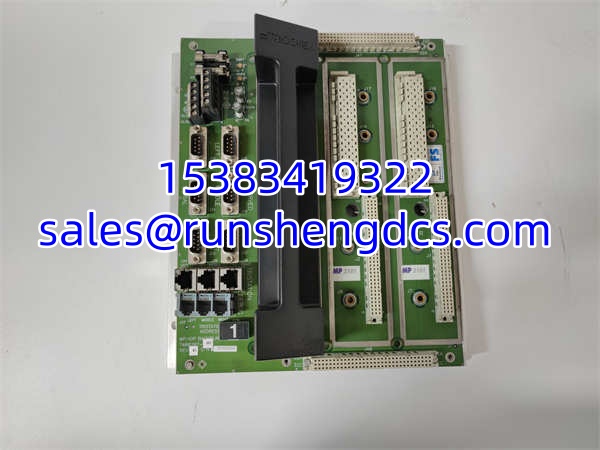

Description
Key Technical Specifications
- Product Model: TRICONEX 2101
- Brand Family: Triconex / Schneider Electric safety systems
- Product Type: Safety system module — verify as processor, baseplate, or core module
- Architecture: Triple modular redundant / TMR safety system
- Safety Class: Commonly associated with SIL 3 / AK6-class safety platforms
- Input Power: Some listings show 24V DC; verify on nameplate
- Operating Temperature: Some listings show -40°C to +70°C; verify on nameplate
- Storage Temperature: Some listings show -40°C to +85°C; verify on nameplate
- Communication: May support Modbus, Ethernet/TCP/IP, RS-232, RS-485 depending on configuration
- Mounting: Some listings show 19-inch 2U rack or chassis-mounted form factor
- Power Consumption: Some listings show around 10W; verify on nameplate
- Application Area: Oil and gas, petrochemical, power, chemical, and other high-risk process industries
Product Introduction
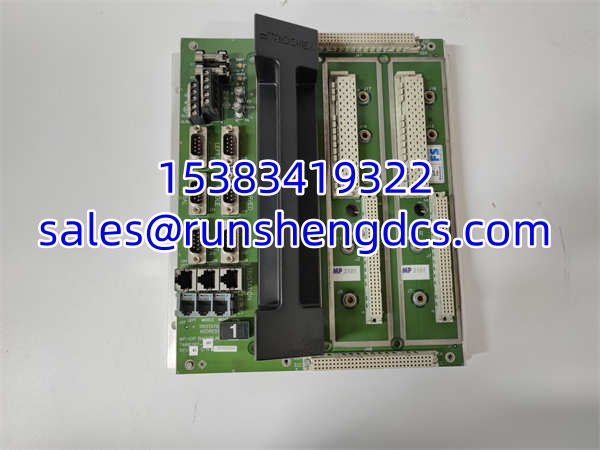
Open a Triconex safety cabinet and you are usually looking at a system built around one rule: do not let a single fault become a plant incident. The TRICONEX 2101 fits into that environment as a safety-system module inside a Triconex / Schneider Electric TMR platform. It is not a commodity I/O card. It belongs to a controller ecosystem where processors, I/O modules, communication modules, and baseplates work together to execute safety logic, monitor faults, and maintain controlled operation when something goes wrong.
Why it matters in procurement: the value of a TRICONEX 2101 depends on whether it matches the existing safety system revision. If the hardware revision, firmware family, chassis type, or module role does not match, it may not integrate cleanly — even if the part number looks correct. In safety systems, a “close enough” module is not good enough.
Troubleshooting Quick Reference
| Fault | Likely Cause | Quick Check | Fix |
|---|---|---|---|
| Module not recognized by chassis | Wrong revision, backplane issue, seating fault | Check module LEDs and chassis diagnostics | Reseat module; verify exact TRICONEX 2101 revision |
| Safety system in fault | Processor/I/O mismatch, configuration error, failed channel | Review SIS diagnostics and channel status | Confirm module role; reload/verify safety logic if authorized |
| No communication | Modbus/Ethernet settings, cable fault, port failure | Check network LEDs and communication parameters | Verify IP/Modbus settings; test cable and switch port |
| Intermittent faults | Loose connector, EMI, power ripple, aging contacts | Inspect wiring, grounding, and power supply | Tighten connections; check 24V DC supply quality |
| Redundancy/voting fault | Failed channel, mismatched firmware, bad I/O module | Check TMR channel status and voting diagnostics | Replace only with verified matching Triconex module |
| Module will not accept configuration | Firmware mismatch or engineering tool version issue | Compare firmware and software versions | Match engineering software/firmware before download |
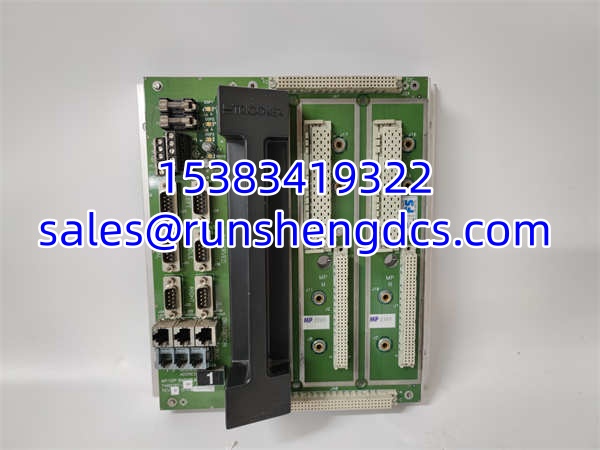
TRICONEX 2101
Application Scenarios & Pain Points
- Emergency shutdown systems: Used where a process must trip safely on high pressure, high temperature, or dangerous operating conditions. Pain point: replacement modules must match the existing safety logic and hardware revision.
- Oil and gas / petrochemical plants: Common in refineries, gas plants, and chemical facilities where safety integrity is critical. Pain point: long lead times and limited surplus documentation.
- Power generation and turbine protection: Used for protective logic around turbines, compressors, boilers, or auxiliary systems. Pain point: downtime is expensive, so hot-swap and diagnostic clarity matter.
- Fire and gas protection systems: Monitors detectors and initiates safe responses. Pain point: false trips or missed trips both create serious operational risk.
- Legacy Triconex system maintenance: Older Tricon installations may need exact-match modules to avoid full system migration. Pain point: surplus listings often lack full revision data.