
Description
Key Technical Specifications
- Product Model: TPMC815-11
- Manufacturer: TEWS Technologies
- Product Category: PMC ARCNET Interface Module
- Form Factor: Single-Width 32-bit PMC (IEEE P1386.1)
- ARCNET Controller: COM20020 with Dual-Port RAM & Transceiver
- Max Data Rate: 2.5 Mbps (Token Passing)
- Physical Interface: Traditional Isolated Hybrid Interface
- Network Topologies: Star, Tree, Bus
- PCI Compatibility: PCI 2.1 Compliant
- Operating Temp: -40°C to +70°C
- Board Dimensions: 149 mm x 74 mm
Product Introduction
You’re trying to talk to a 20-year-old press or a legacy automotive test rig, and modern Ethernet just doesn’t cut it. The TEWS TPMC815-11 is the bridge. It’s a standard single-width 32-bit PMC module that gives your embedded host a full ARCNET network connection using the classic COM20020 controller. This isn’t just a PHY; it includes the transceiver and dual-port RAM, so your CPU isn’t bogged down managing low-level token passing.
Why stick with this specific card? Speed and isolation. The TPMC815-11 handles deterministic 2.5 Mbps traffic, which is plenty for hard real-time I/O or legacy protocol conversion. The traditional isolated hybrid interface is key here — it handles long cable runs and nasty ground loops that would fry a standard RS485 port. Bottom line — if your backplane has a PMC slot and you need ARCNET that actually survives an industrial floor, this is the workhorse.
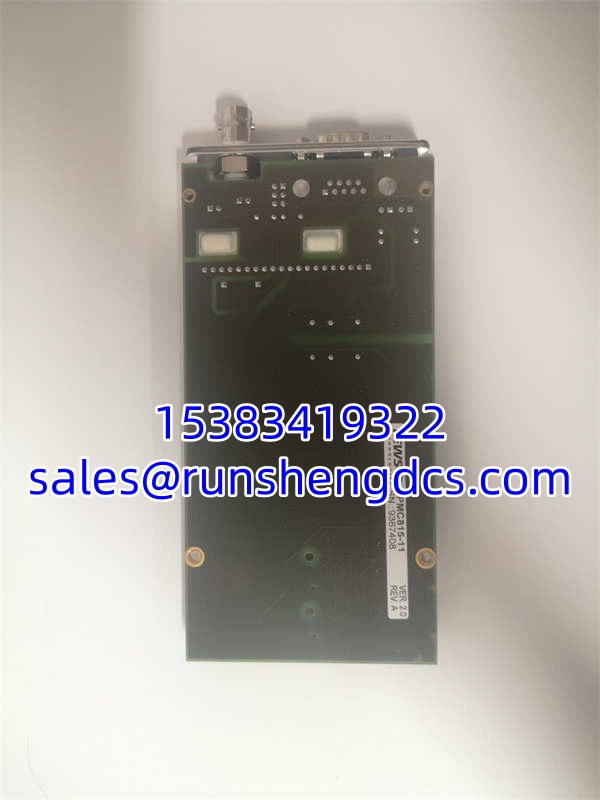
TEWS TPMC815-11
QA/QC Transparency SOP
- Intake & Origin Verification: We check the TEWS TPMC815-11 serial number and inspect for physical damage or rework. Counterfeit COM20020 chips are out there; we verify the silicon markings and date codes.
- Live Functional Testing: Module goes into a live PMC test carrier. We configure the COM20020, set up a token ring with a known good node, and pass traffic. We verify the 2.5 Mbps rate and check for CRC errors under load.
- Electrical Parameter Tests: Using a Fluke 87V, we verify the isolated DC/DC converter output and check isolation resistance (>10 MΩ) between the PCI bus and the ARCNET hybrid port.
- Firmware/Config Verification: We read the EEPROM and verify the PCI ID matches the TPMC815-11 spec. Jumper settings (if any) are photographed and logged.
- Final QC & Anti-Static Packaging: After passing, the TPMC815-11 is bagged in static shielding with a QC test report. No bare boards in bubble wrap.
Field Engineer Gotchas
- Interface Type Confusion (-11 vs -21):
- Risk: Plugging a DB9 RS485 cable into a Hybrid port.
- Solution: The uses the Traditional Isolated Hybrid interface (usually a specialized connector or screw terminals for coax/twisted pair). The -21 is the RS485 version. Do not mix them up.
- War Story: Saw a guy try to wire a Belden 9841 coax directly to the RS485 pins on a -11 card. Fried the termination resistors. Check the suffix.
- Token Ring Initialization:
- Risk: Card powers up but never gets a token.
- Solution: Check the Node ID dip switches or software config. Ensure the physical topology matches (Star vs Bus).
- Blunt Warning: ARCNET is deterministic, not magic. If you have a break in the bus or a duplicate node ID, the ring will fail. Use the TEWS diagnostics to check token rotation time.
- PCI Timing Issues:
- Risk: Host CPU can’t read Dual-Port RAM reliably.
- Solution: Verify PCI 2.1 compliance on your carrier. Some older backplanes have timing violations with newer PMC cards.
- War Story: Had a work fine in a test rig but fail in the target system. Turned out the target carrier had a bad PCI clock buffer. Swapped the carrier, not the card.
- ESD on Hybrid Port:
- Risk: Blowing the COM20020 during hot-plug.
- Solution: The isolation is for operational ground loops, not for hot-plugging live coax. Ground yourself.
- Blunt Warning: I’ve seen three cards die in a month because techs treated the hybrid port like USB. It’s not. Disconnect power before cabling if possible.
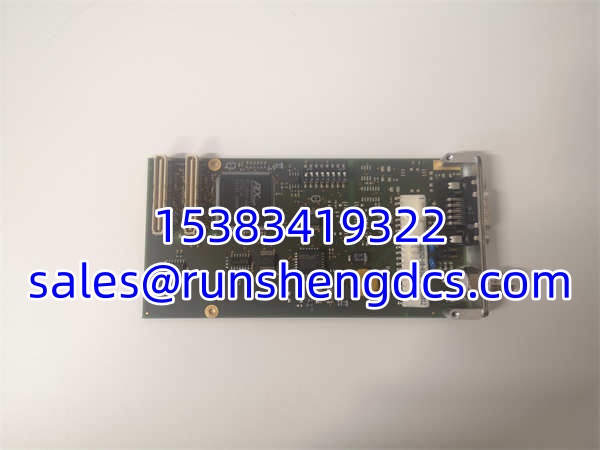
TEWS TPMC815-11
Application Scenarios
- Legacy Press Control Retrofit: Automotive stamping presses from the 90s use ARCNET for I/O. The plugs into a modern PMC-based SBC to replace the original, obsolete controller, keeping the existing field cabling and sensors intact.
- Railway Signaling Test Rigs: Test equipment needs to simulate multiple ARCNET nodes. The isolated hybrid interface on the prevents ground loops when connecting to multiple DUTs on a shared test bench.
- Factory Automation Data Collection: Scraping data from old CNC machines that only speak ARCNET. The 2.5 Mbps speed is sufficient for polling status registers every 10ms without flooding the network.
FAQ
- Is this the 2.5 or 5 Mbps version?
The is strictly 2.5 Mbps. If you need 5 Mbps, you need the TPMC815-21 (and verify your cabling supports it). - Does it support fiber?
No. The is copper only (Hybrid interface). For fiber, you’d need an external media converter or a different TEWS module. - Will this work in a 64-bit PMC slot?
Yes. It’s a 32-bit card. It will physically fit and electrically work in a 64-bit PMC slot, but it will only use 32 data lines. - Do I need special drivers for Linux?
TEWS provides Linux drivers for the COM20020. Check their FTP for your specific kernel version. If you’re on a custom RTOS, you’ll likely need to write a wrapper for the Dual-Port RAM. - What’s the max cable length?
For the isolated hybrid interface on the , you can typically go 600m+ with proper coax (Belden 9841 or equiv). Verify with the datasheet for your specific termination. - Yes, but lead times are long. That’s why buying tested surplus like this is smart. Don’t wait for a 26-week lead time when your line is down.
- Can I use this for Arcnet Plus?
The supports standard Arcnet. Arcnet Plus (20 Mbps) requires a different controller (COM20050). This card is for standard 2.5 Mbps Arcnet.