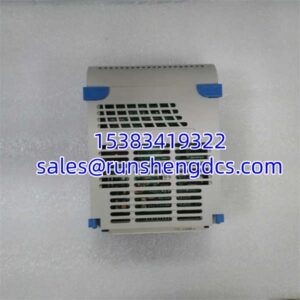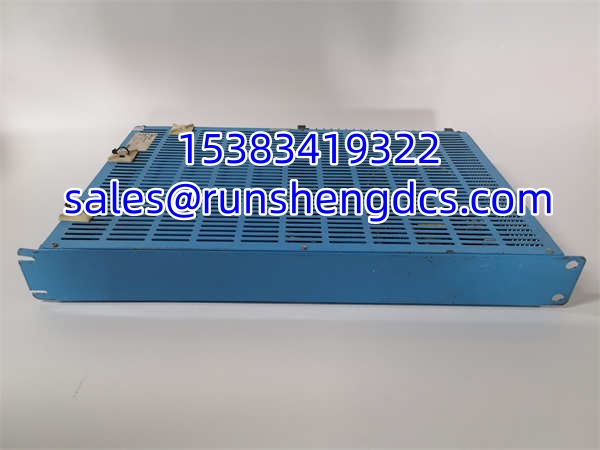

Description
Key Technical Specifications
| Parameter | Specification |
|---|---|
| Product Type | Analog Input / Controller Module |
| Platform | Reliance MaxPak / DCS |
| Function | Signal Conditioning & Processing |
| Signal Type | Analog Input (Typical 4-20mA / 0-10V) |
| Mounting | Rack / Chassis Mount |
| Compatibility | Reliance DCS Controllers |
| Application | Process Control, Automation |
| Status | Legacy / Discontinued |
| Origin | USA / Global Sourcing |
| Support | Third-Party / Surplus Only |
Product Introduction
Finding spare parts for legacy Reliance MaxPak systems is a nightmare when the OEM has long since moved on. The RELIANCE DDS-LPS is a critical analog input module that handles signal conditioning for your DCS, converting raw field signals into usable process data. Without this card, your controller is blind to the process variable, and you’re staring at a forced outage.
This module integrates directly into the MaxPak chassis, providing the necessary interface between field instrumentation and the control logic. While RELIANCE DDS-LPS is no longer in active production, it remains a functional workhorse in plants that haven’t migrated to newer platforms. Bottom line: if your system is still running on MaxPak, this card is your lifeline, and you need to secure spares now before the global surplus dries up.
QA/QC Transparency SOP
- Intake & Origin Verification: Confirm part number DDS-LPS matches the physical label and revision suffix. Inspect the backplane connector for bent pins, corrosion, or signs of arcing. Check for electrolytic capacitor leakage, a common failure point in aged Reliance cards.
- Live Functional Testing: Powered up in a compatible MaxPak test chassis. Verified analog input scaling by injecting 4mA, 12mA, and 20mA signals. Confirmed the controller reads the correct engineering units within ±0.5% tolerance.
- Electrical Parameter Tests: Measured backplane current draw to ensure no internal shorts. Verified isolation resistance between field terminals and backplane. Checked for excessive heat generation under load.
- Firmware/Config Verification: Read internal configuration via diagnostic port if applicable. Verified jumper settings match standard DDS-LPS factory defaults. Documented any non-standard strapping.
- Final QC & Anti-Static Packaging: Backplane connector pins cleaned and inspected. Sealed in anti-static bag with desiccant. Hard-shell case to prevent connector damage during transit.
Field Engineer Gotchas
- Revision Suffix Matters: DDS-LPS is the base model, but revisions like DDS-LPS-A or DDS-LPS-B may have different firmware or calibration. Swapping without checking the suffix can cause scaling errors or communication faults. Always match the full part number.
- Backplane Connector Pins: The edge connector on Reliance cards is fragile. I’ve seen techs force it in crooked, bending pins and destroying the backplane. Align perfectly, apply even pressure, and never use a hammer. If pins are bent, replace the connector, don’t try to bend them back.
- Jumper Settings: This module often requires hardware jumpers for signal type (voltage vs. current) or address. If you swap a card and get a “Sensor Open” alarm, check the jumpers first. I’ve wasted hours troubleshooting wiring when the previous tech moved the jumpers for a different application.
- Age-Related Failures: These cards are 20-30 years old. Even “new surplus” can have dried capacitors. If you install a spare and it fails in 3 months, it’s likely age, not installation. Plan for multiple spares or a system migration.
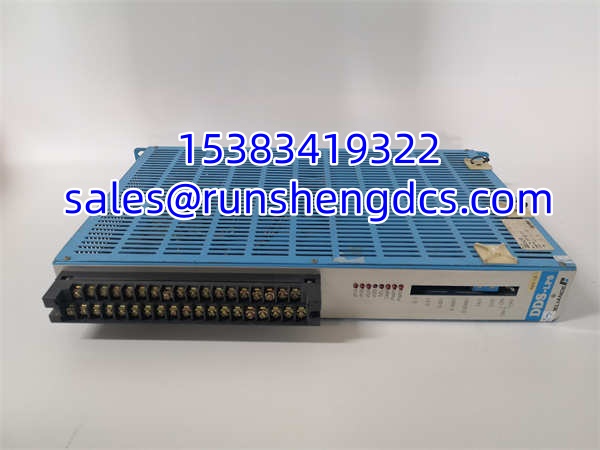
RELIANCE DDS-LPS
Application Scenarios
- Legacy Power Plant Controls: Reliance MaxPak systems in older coal or hydro plants. The RELIANCE DDS-LPS handles boiler feedwater level and steam temperature inputs. Failure here means manual control or a trip.
- Pulp & Paper Mills: Paper machine control systems running on 1990s Reliance DCS. The DDS-LPS processes moisture and basis weight signals. Downtime costs $10k/hour, so spares are mandatory.
- Chemical Batch Reactors: Aging batch control systems where the DDS-LPS monitors reactor temperature and pressure. The card’s age makes it a single point of failure for safety-critical loops.
FAQ
Is DDS-LPS still manufactured?
No. Reliance Electric was acquired by Rockwell, and MaxPak is long discontinued. RELIANCE DDS-LPS is only available through surplus or refurbished channels.
Can I use a newer Rockwell module as a drop-in?
No. MaxPak uses a proprietary backplane and protocol. You cannot plug a ControlLogix or PLC-5 card into a MaxPak chassis. DDS-LPS is your only direct replacement option.
How do I know if my card is bad?
Look for: erratic readings, “Sensor Open/Short” alarms, or the card failing to power up. Use a multimeter to check the output at the controller terminal block; if it doesn’t match the field signal, the DDS-LPS is likely failed.
What’s the difference between DDS-LPS and DDS-LPS-A?
The “-A” suffix typically indicates a minor revision, often a firmware update or component change. They are usually interchangeable, but verify scaling and jumper settings. Don’t assume 100% compatibility without checking.
Can I repair this card?
Technically, yes, but it’s not cost-effective for most plants. Component-level repair requires obsolete parts and specialized knowledge. Buy a tested surplus DDS-LPS instead.
How many spares should I keep?
For a critical loop, keep at least 2 spares. These cards are 20+ years old; even “new” stock can fail on first power-up. Don’t wait for a failure to order.
Does this support hot-swapping?
No. MaxPak backplanes are not designed for hot-swap. Power down the chassis before replacing RELIANCE DDS-LPS. Hot-swapping risks backplane damage and data corruption.