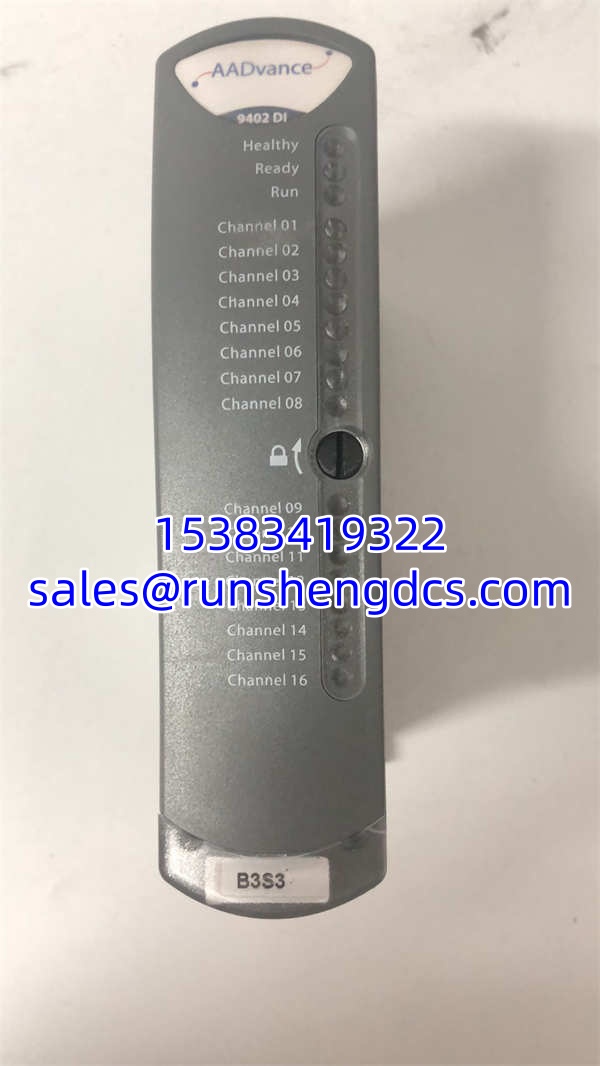

Description
Key Technical Specifications
- Product Model: ICS TRIPLEX T9402
- Manufacturer: ICS TRIPLEX
- Module Type: Digital Input (DI)
- Channel Count: 16 Independent Channels
- Nominal Input Voltage: 24 VDC
- Input Voltage Range: 0–32 VDC
- Isolation: 2500 VAC (Channel-to-Backplane)
- Architecture: Triple Modular Redundancy (TMR)
- System Integration: Triplex Safety System Rack
- Operating Temp: -20°C to +70°C (Verify with OEM datasheet)
- Diagnostic Capability: Built-in SOE and Fault Detection
Product Introduction
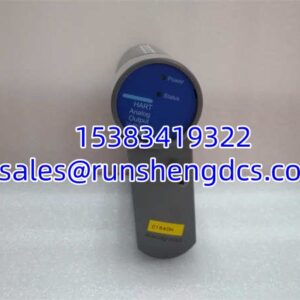
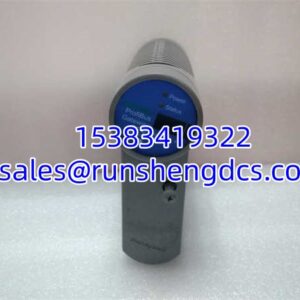
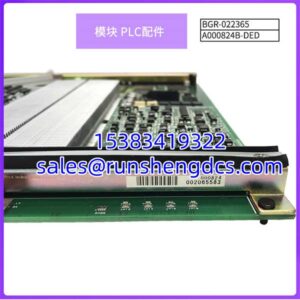
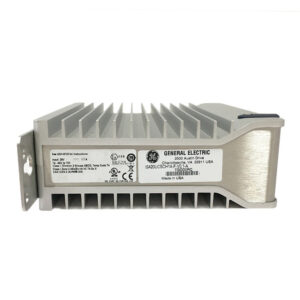
Safety instrumented systems (SIS) don’t tolerate false trips, but they absolutely cannot fail to trip during a real emergency. The ICS TRIPLEX T9402 is a 16-channel digital input module built specifically for this unforgiving environment. It acts as the field-facing sensor interface within the Triplex TMR architecture, converting raw 24 VDC signals from pressure switches, E-stops, and limit switches into deterministic logic states for the safety solver.
Bottom line — this card is your first line of defense against nuisance shutdowns. By utilizing the T9402 in a 2oo3 (two-out-of-three) voting configuration, the system automatically masks a single failed sensor without dropping the safety function. The 2500 VAC isolation rating is critical here, keeping high-energy field transients from frying the backplane. (Though honestly, if you’re seeing 2500 VAC on a 24 VDC field wire, you have much bigger problems than a bad I/O card).
QA/QC Transparency SOP
- Intake & Origin Verification: We verify the ICS TRIPLEX T9402 against OEM lot records and inspect for counterfeit markings. Physical condition is graded, and any signs of liquid ingress or severe thermal damage are grounds for immediate rejection.
- Live Functional Testing: Modules are seated in a dedicated Triplex test rack. We force 24 VDC across all 16 channels and verify that the backplane registers the correct bit states in real-time. Response time is measured to ensure it meets TMR cycle requirements.
- Electrical Parameter Tests: Using a calibrated Megger, we apply high-potential stress to verify the 2500 VAC isolation barrier holds. Continuity checks are performed on all backplane pins to rule out internal trace corrosion.
- Firmware/Config Verification: The module’s internal EEPROM is read to capture the exact firmware revision and hardware serial number. This data is backed up and provided with the shipment so your engineers know exactly what they are installing.
- Final QC & Anti-Static Packaging: A QA signature is applied after passing all tests. The T9402 is sealed in an anti-static bag with desiccant, then packed in high-density foam to prevent transit damage to the edge connectors.
Field Engineer Gotchas
- Firmware Rev Mismatch: Triplex racks are notoriously picky about mixed revisions. If you drop in a newer T9402 and the rack goes into fault, check the EEPROM revision. War story: Saw a whole compressor station trip because a tech swapped in a Rev C card into a Rev B rack without updating the chassis config first.
- DIP Switch/Jumper Errors: Some older variants require hardware jumpers for sink/source configuration or channel grouping. Always photograph the old card before pulling it. Assuming the new one is identical is a great way to spend 4 hours troubleshooting a dead channel.
- Wiring/Terminal Incompatibility: The uses specific Triplex terminal blocks. Do not force standard DIN rail terminals onto it. You will bend the backplane pins. Blunt warning: If you have to hammer it in, stop. You’re destroying a $3,000 safety card.
- Power Draw/ESD Risks: Always ground your wrist strap to the rack chassis before touching the . The CMOS inputs are highly susceptible to ESD. A static shock from a dry winter day can fry the input buffer without leaving a visible mark.
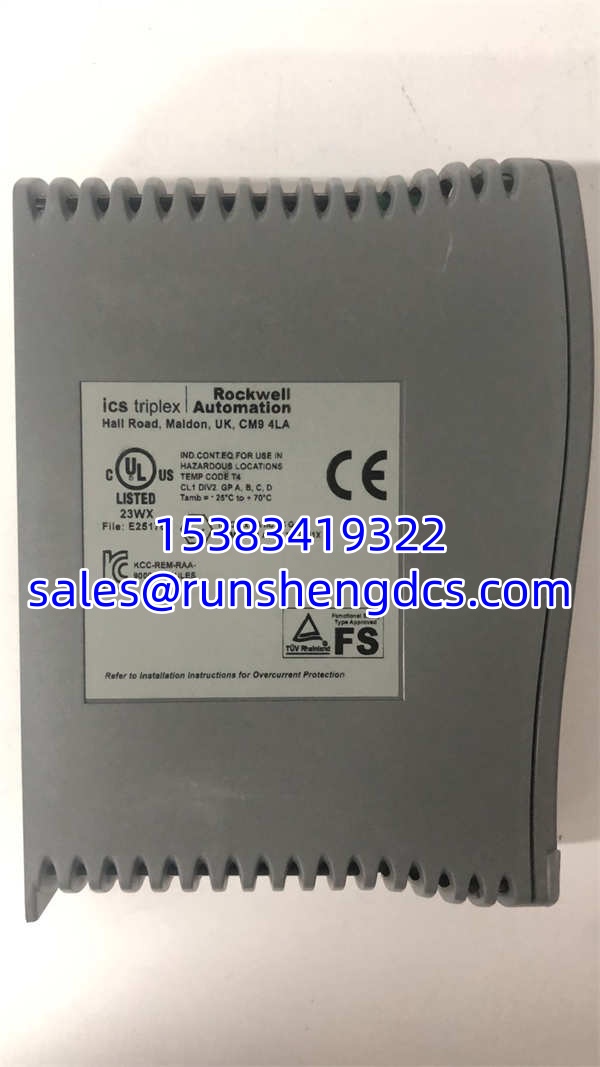
ICS TRIPLEX T9402
Application Scenarios
- Petrochemical Emergency Shutdown (ESD): High electrical noise from VFDs and motor starters requires the ‘s 2500 VAC isolation to prevent field transients from corrupting the safety logic.
- Offshore Platform Fire & Gas Systems: Constant vibration and salt-laden air test the mechanical integrity of the module. The ‘s conformal coating and TMR voting ensure a single degraded sensor doesn’t trigger a platform-wide evacuation.
- Pipeline Compressor Stations: Remote, unattended facilities rely on the to monitor vibration and temperature switches. The built-in SOE (Sequence of Events) logging is critical for post-trip forensics when the nearest engineer is 200 miles away.
FAQ
Generally no. The Triplex chassis validates module compatibility during boot. Mixing revisions can cause the rack to enter a fault state. Always match the exact suffix and firmware revision of your existing cards.
No. Do not pull a while the rack is energized. The TMR bus requires a controlled power-down or maintenance bypass procedure. Hot-swapping will likely cause a safety system trip.
The is a Digital Input module (receives signals). The T9451 is a Digital Output module (sends signals to trip relays). They are physically similar but electrically distinct. Don’t cross them.
Yes, if the revision matches. ICS TRIPLEX maintained backward compatibility within the Triplex platform. Verify the exact part number on your existing card, and we’ll source a matching revision.
Use the Triplex diagnostic software to force the channel. If the software shows the channel active but the field device isn’t responding, it’s a wiring issue. If the software shows the channel inactive when you apply 24 VDC directly at the terminal, the input buffer is likely failed.
Yes. Every module ships with a QA certificate documenting the channel-by-channel functional test results, isolation test voltage, and firmware revision. No exceptions.