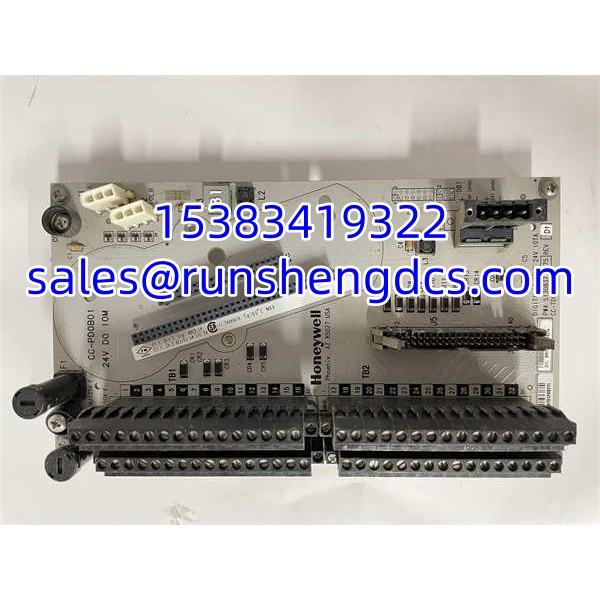

Description
Key Technical Specifications
| Parameter | Detail |
|---|---|
| Manufacturer | Honeywell Process Solutions |
| Model | CC-TDOB01 |
| Product Type | Non-redundant DO IOTA, 24V bussed |
| System Platform | C300 / Experion PKS PMIO I/O |
| Associated Module | CC-PDOB01 24V digital output module (32-point) |
| Channel Count | 32 digital outputs (non-redundant) |
| Output Voltage | 24 VDC typical for C-series DO IOTA |
| Redundancy | Non-redundant; CC-TDOB11 is the redundant variant |
| Mounting | PMIO IOTA baseboard in C300 I/O rack |
| Compatible Accessories | Phoenix Contact UM-D37SUB relay module references TDOB01 for non-redundant DO |
| Data Availability | Limited public OEM datasheet; verify against Honeywell C300 documentation |
Product Introduction
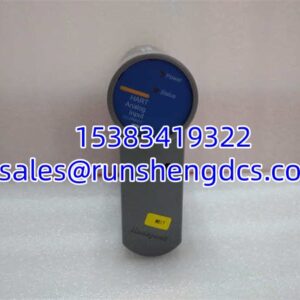
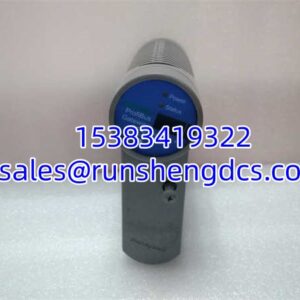
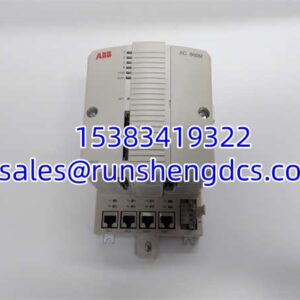
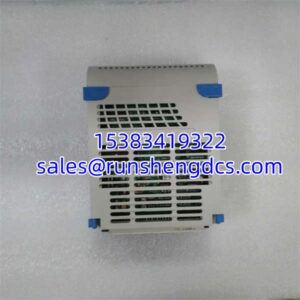
A failed DO baseboard looks like a wiring problem until you realize the IOTA itself is the common point. The HONEYWELL CC-TDOB01 is the non-redundant 24V digital output IOTA used in Honeywell C300 / Experion PKS systems to terminate field wiring for the CC-PDOB01 digital output module. It provides the bussed terminal interface between the DO module and 24VDC field devices such as solenoid valves, relays, motor starters, and indicator lamps.
This IOTA does not process logic; it routes module outputs to field terminals. For redundant DO applications, Honeywell uses CC-TDOB11 instead. CC-TDOB01 is therefore a direct replacement only when the original installation is non-redundant and the associated module is CC-PDOB01.
QA/QC Transparency SOP
- Intake & Origin Verification
Confirm full part number CC-TDOB01, revision, serial number, and source. Reject units with damaged terminal blocks, cracked IOTA connectors, or missing labels. - Visual & Connector Inspection
Inspect backplane pins, terminal screws, bussed contacts, and ribbon/connector interfaces. Corrosion or loose terminals can create intermittent DO faults. - Continuity & Isolation Testing
Verify channel continuity from module interface to field terminals. Check for shorts between adjacent channels and between output channels and chassis ground. - Functional Verification with CC-PDOB01
Where possible, test with a compatible CC-PDOB01 module. Force outputs and confirm correct channel response, LED indication, and terminal voltage. - Final QC & Anti-Static Packaging
Label with test date, revision, and condition grade. Pack in anti-static bags with terminal protection. Include nameplate, connector, and terminal photos for traceability.
Field Engineer Gotchas
- CC-TDOB01 is non-redundant.
If the original IOTA is CC-TDOB11, do not substitute CC-. Redundant and non-redundant DO IOTAs are not interchangeable. - Must pair with CC-PDOB01.
CC- is the terminal baseboard; CC- is the DO module. Ordering one without confirming the other is a common spare-parts error. - Terminal numbering must match the I/O list.
After replacement, verify channel-to-terminal mapping. A shifted terminal block or mislabeled wire can energize the wrong solenoid or relay. - External fuse protection matters.
C-series DO circuits often depend on external fuses or relay modules. A blown field fuse can look like a failed IOTA or DO module. - Do not assume hot-swap without procedure.
Even if the IOTA supports removal, pulling it while outputs are active can cause unintended field device operation. Follow site-approved maintenance steps.
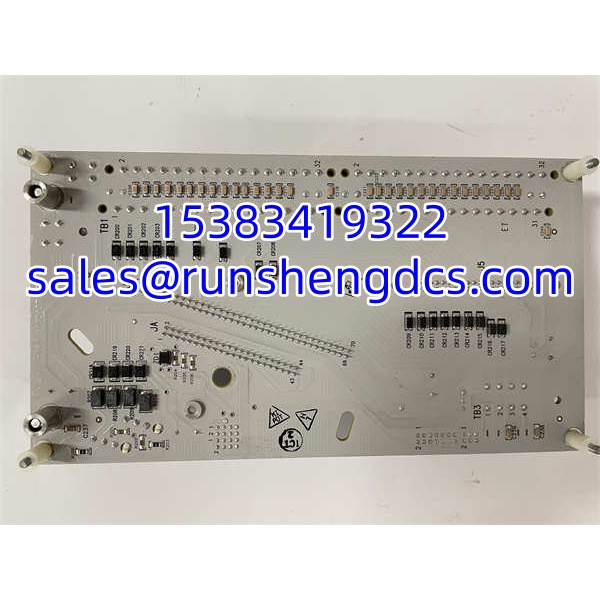
HONEYWELL CC-TDOB01
Application Scenarios
- Solenoid valve control in process units.
CC- terminates 24VDC outputs to shutdown valves, blowdown valves, or sequence valves. A damaged IOTA can cause multiple valves to lose command signals. - Motor starter and relay interface.
In MCC or local panel interfaces, the DO IOTA routes commands to intermediate relays. Loose terminals or corroded bussed contacts often appear as random output dropouts. - C300 spare pool planning.
Plants running CC- modules should keep verified CC- spares if non-redundant DO points are used for critical permissives, alarms, or auxiliary equipment. - Real-world case (anonymized).
A chemical plant reported several DO channels inactive after cabinet maintenance. The CC- module tested healthy. Root cause: the CC- terminal block had two loose screws and one damaged terminal contact. Resolution: replaced the IOTA, verified channel mapping, and retested all forced outputs.
FAQ
No. It is the DO IOTA / terminal baseboard. The actual output module is CC-.
How many channels does it support?
32 digital output channels in a non-redundant configuration.
Can I use CC-TDOB01 instead of CC-TDOB11?
No. CC-TDOB11 is the redundant DO IOTA. Substituting a non-redundant IOTA into a redundant application can break redundancy and channel mapping.
What voltage does it handle?
It is specified for 24VDC digital output applications in the C300 / Experion PKS PMIO family. Confirm exact ratings against the CC- module and project wiring drawings.
Does it work with other Honeywell DO modules?
CC- is intended for CC-. Do not assume compatibility with other DO modules without Honeywell documentation.
What should I request before buying?
Nameplate photos, revision confirmation, terminal block condition, backplane connector condition, continuity test results, and confirmation that it matches your CC- module and non-redundant DO configuration.