
Description
Product Introduction
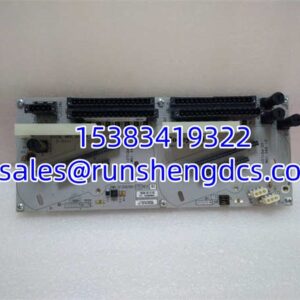
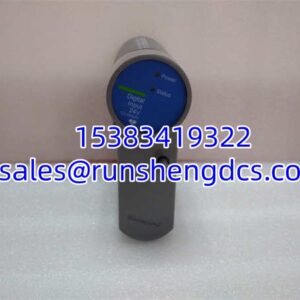
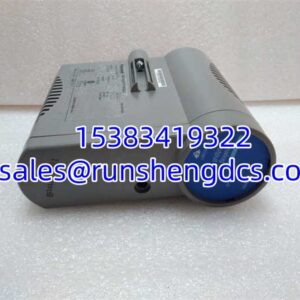
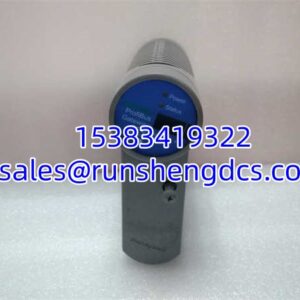
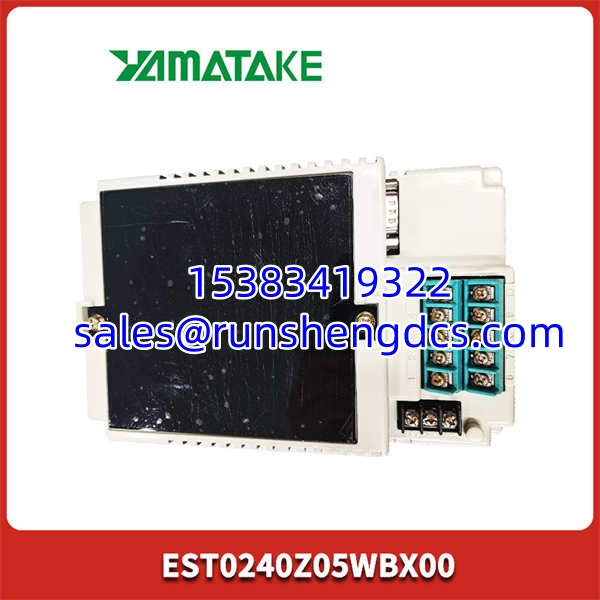
Bridging legacy control systems with modern Ethernet networks often introduces communication bottlenecks and protocol translation headaches. The YAMATAKE EST0240Z05WBX00 is the engineered solution designed to eliminate these friction points, acting as a versatile Ethernet server communication module. It is not merely a network adapter; it is a multi-protocol gateway that facilitates seamless data exchange between Yamatake control systems and a wide array of Ethernet-enabled devices and upper-level management systems.
In our field experience, the YAMATAKE EST0240Z05WBX00 stands out because of its protocol flexibility and deterministic performance. Supporting standards like Modbus TCP/IP, Ethernet/IP, DF1, and ASCII over a TCP/IP foundation, it allows legacy controllers to communicate with modern SCADA, MES, and PLC platforms without requiring a costly system overhaul. For facilities maintaining mature Yamatake architectures, securing a verified YAMATAKE EST0240Z05WBX00 is the key to unlocking real-time data visibility while preserving the reliability of your core process control.
Key Technical Specifications
- Product Model: EST0240Z05WBX00
- Manufacturer: YAMATAKE CORPORATION
- Product Type: Ethernet Server Communication Module / Smart Terminal
- Network Protocol: TCP/IP
- Supported Protocols: Modbus TCP/IP, Ethernet/IP, DF1, ASCII
- Data Transfer: High-Speed, Optimized for Real-Time Monitoring & Control
- Configuration: Flexible Parameter Setting & Logic Programming via Software Tools
- Origin: Made in Japan
- Typical Application: Protocol Bridging, Data Acquisition, System Integration
Application Scenarios & Pain Points
The YAMATAKE EST0240Z05WBX00 typically becomes the focal point when a plant needs to integrate legacy Yamatake controllers into a new Ethernet backbone or when an existing communication module fails, causing critical data blackouts. We’ve seen cases where a single point of communication failure prevented operators from seeing real-time tank levels, leading to overfills or dry runs. This module acts as the reliable translator, ensuring that historical control logic can speak the language of modern industrial networks.
- Chemical & Pharmaceutical Processing: Integrating batch reactors with new MES systems. The YAMATAKE EST0240Z05WBX00’s Modbus TCP/IP support allows for seamless extraction of batch data for compliance reporting without modifying the core control logic.
- Water & Wastewater Treatment: Connecting distributed pump stations to a central SCADA. The module’s Ethernet/IP capability enables modern PLCs to read and write data to legacy Yamatake controllers over a standard Ethernet network, simplifying cabling and architecture.
- Manufacturing & Assembly: Bridging old machine controllers with new production monitoring dashboards. The ASCII and DF1 protocol support provides a flexible path for integrating diverse equipment into a unified data platform.
- Legacy System Maintenance: Extending the communication life of Yamatake systems. This module provides a direct, drop-in replacement path for failed communication cards, avoiding the massive capital expenditure and risk of a full system rip-and-replace.
Quality Control Process
We know that a communication module with a degraded network stack can cause intermittent data drops that are nearly impossible to troubleshoot. That’s why our QC for the goes far beyond a visual check. We treat every unit as a critical network node, and our testing reflects that level of scrutiny.
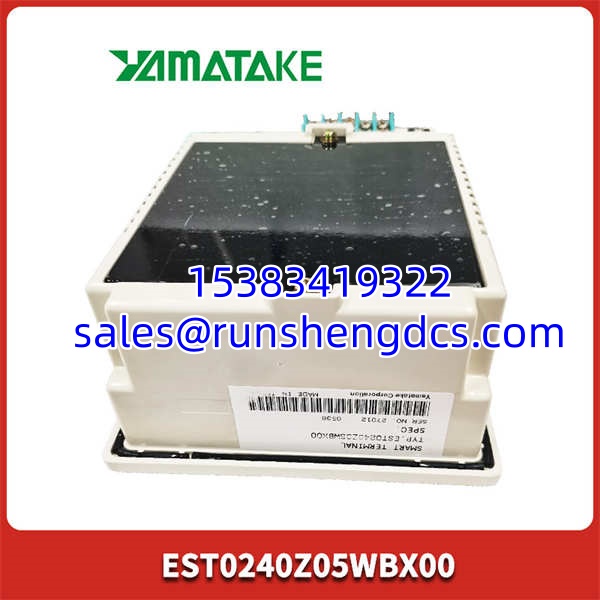
- Visual & Mechanical Inspection: We inspect the for damaged Ethernet ports, bent backplane pins, and verify the integrity of the module housing and labeling. We also check for any signs of thermal stress or capacitor aging on the internal PCB.
- Network & Protocol Test: We connect the module to a live Ethernet test network and configure it with multiple protocols (Modbus TCP, Ethernet/IP). We verify that it successfully responds to polling requests and can initiate data transfers without packet loss or timeout errors.
- High-Speed Data Verification: We simulate a high-volume data exchange scenario to confirm the module’s high-speed transfer capabilities. We monitor for latency and ensure the module maintains stable communication under sustained load, critical for real-time control applications.
- Configuration & Logic Test: Using Yamatake configuration tools, we verify that the module’s parameters can be read, modified, and saved correctly. We also test any embedded logic programming to ensure it executes as intended.
- Final Certification: Only units passing all electrical, network, and functional tests receive our QC label. We provide a test report detailing the successful protocol handshake and data integrity verification for your maintenance records.
YAMATAKE EST0240Z05WBX00
Installation Pitfalls Guide
I’ve seen a perfectly good blamed for a network failure because of an IP conflict or a misconfigured protocol driver. Don’t let a simple setup error cost you days of commissioning time. Here are the traps we see most often:
- IP Address Conflicts: This module is a full TCP/IP device. Always assign a unique, static IP address before connecting it to the live network. An IP conflict will not only break this module’s communication but can also destabilize other devices on the same subnet.
- Protocol Driver Mismatch: The module supports multiple protocols, but your host system (SCADA/PLC) must be configured with the exact matching driver. Selecting “Modbus TCP” when the module is configured for “DF1 over TCP” will result in a complete communication failure. Verify the protocol setting on the module’s DIP switches or configuration software.
- Network Segmentation: Do not place this module on a general office IT network. Industrial protocols like Modbus and DF1 are not routable in the same way as standard IT traffic and can cause network storms. Use a dedicated industrial VLAN or physically separate network.
- Backplane Seating: The module’s Ethernet performance is dependent on a stable backplane connection. Do not force the card into the rack. If it doesn’t seat smoothly, inspect the backplane connector for debris or bent pins. A marginal connection will cause intermittent communication faults.
- Firmware/Configuration Backup: Before replacing a failed , always attempt to back up the configuration from the old module if possible. Restoring this configuration to the new unit will save hours of re-commissioning and ensure all protocol parameters are identical.