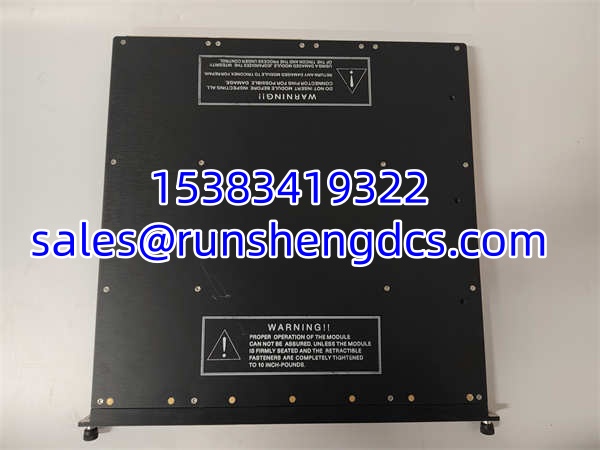

Description
Key Technical Specifications
- Product Model: TRICONEX 3721
- Module Type: TMR analog input module
- Input Channels: 32 differential, DC-coupled
- Input Voltage Range: 0–5 VDC typical; some references also list ±5 VDC — confirm on nameplate
- Current Input Option: 0–20 mA possible with external 250 Ω shunt in some configurations
- Input Update Rate: 10 ms
- Resolution: 12-bit or 14-bit programmable
- Accuracy: < 0.15% FSR from 0°C to 60°C
- Common-Mode Rejection: –85 dB from DC to 100 Hz
- Overrange Protection: 150 VDC / 115 VAC continuous
- Diagnostics: PASS, FAULT, ACTIVE, FIELD indicators
- Mounting: Triconex chassis / backplane mounted; supports hot-swap replacement where the system allows
Product Introduction
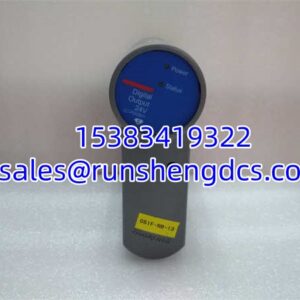
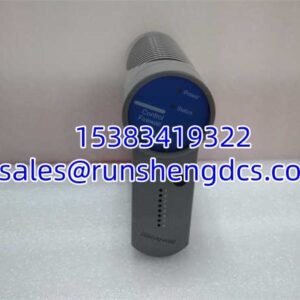
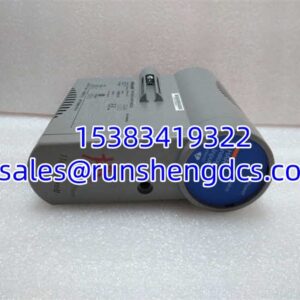
In a Triconex SIS cabinet, the analog input module is where real process variables become safety decisions. The TRICONEX 3721 sits in that path as a 32-channel TMR analog input module, taking differential signals from field transmitters and passing them into the triple-redundant safety controller. It is not a general-purpose analog card. It belongs to a safety architecture where three redundant channels are compared, voted, and monitored for faults.
Why it matters in procurement: this module only has value if it matches the existing Triconex platform. Wrong channel count, wrong signal type, wrong firmware family, or wrong chassis compatibility can make it useless — even if the part number looks correct. For SIS/ESD service, the nameplate and system documentation matter more than the catalog title.
Troubleshooting Quick Reference
| Fault | Likely Cause | Quick Check | Fix |
|---|---|---|---|
| FAULT LED lit | Module fault, bad channel, wiring fault, power/backplane issue | Check PASS / FAULT / ACTIVE / FIELD LEDs and diagnostics | Read module diagnostics; isolate suspect channel |
| Bad or drifting values | Wrong range, wiring error, bad transmitter, EMI | Measure at field terminal and at module input | Verify signal type, polarity, shunt resistor, and shielding |
| Module not recognized | Wrong module type, revision mismatch, backplane fault | Confirm slot assignment and chassis diagnostics | Reseat module; verify 3721 matches system configuration |
| Channel shows open / field fault | Broken wire, disconnected transmitter, blown fuse/shunt | Check field wiring and loop continuity | Repair wiring; verify 4–20 mA / voltage source |
| Hot-swap fails | System not in allowed maintenance state, firmware mismatch | Check SIS maintenance permissions and alarms | Follow SIS hot-swap procedure; do not force insertion |
| Intermittent readings | Loose terminal, ground loop, EMI, damaged cable | Inspect terminals, shields, and grounding | Tighten connections; separate analog cables from power cables |
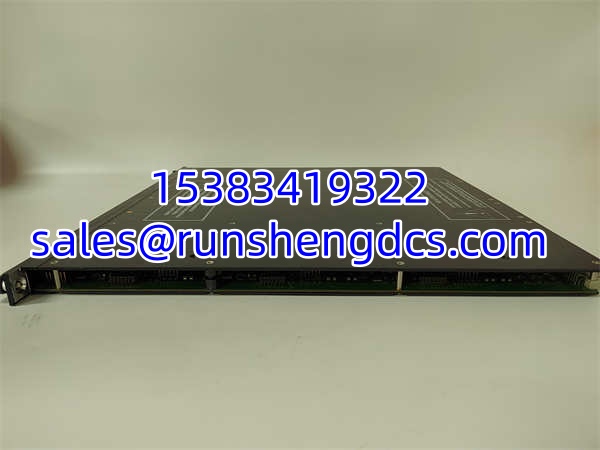
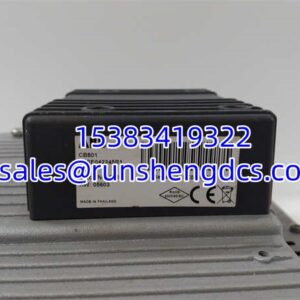
TRICONEX 3721
Application Scenarios & Pain Points
- ESD / SIS analog monitoring: Used for pressure, temperature, flow, or level signals that feed safety logic. Pain point: a replacement module must match the existing analog range and TMR behavior.
- Oil and gas process protection: Common in refineries, gas plants, and pipelines where analog safety signals drive trips. Pain point: wrong signal type can create false trips or masked failures.
- Power generation turbine/boiler protection: Monitors critical analog parameters around turbines, boilers, or auxiliary systems. Pain point: 10 ms update and TMR voting matter; generic analog cards do not replace this function.
- Chemical / petrochemical reactor protection: Used where accurate analog measurement supports emergency shutdown decisions. Pain point: calibration, range, and diagnostics must align with the safety validation file.
- Legacy Triconex maintenance: Older Tricon installations may need an exact 3721 match to avoid system changes. Pain point: surplus listings often mix 3721 with digital or unrelated analog modules.