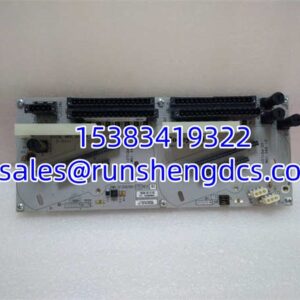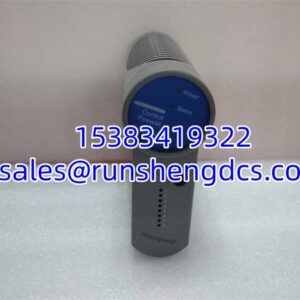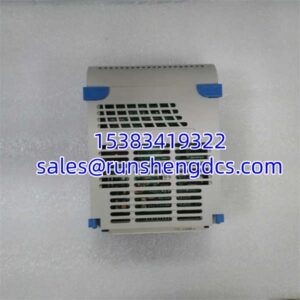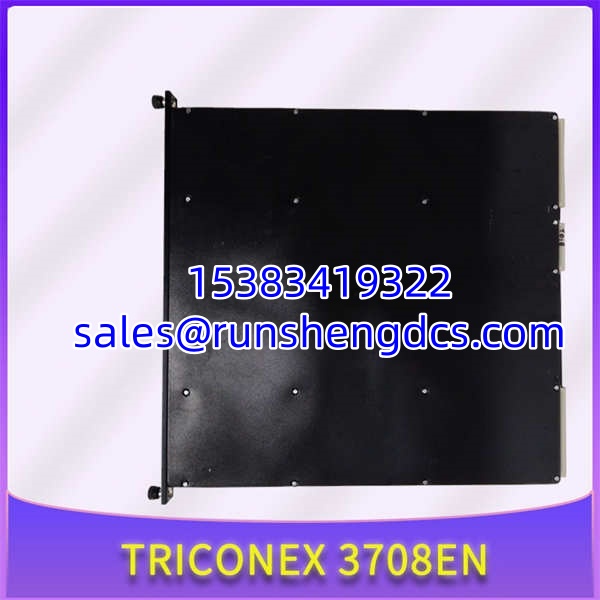
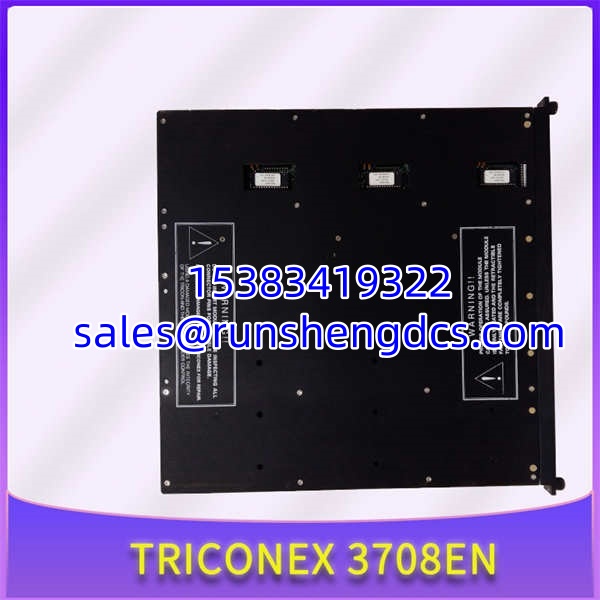

Description
Key Technical Specifications
- Module Type: Isolated Thermocouple Input
- Operating Voltage: 24V DC (Power Group)
- Architecture: Triple Modular Redundancy (TMR)
- Signal Isolation: Channel-to-Channel and Channel-to-Backplane
- Thermocouple Types: J, K, T, E, R, S, B, N (Configurable)
- Cold Junction Compensation: Internal, Auto-Calibrating
- Operating Temp: -40°C to +70°C (Ambient)
- Dimensions: 19.50 x 18.25 x 3.00 inches
- Weight: 7.15 lbs
- Certifications: CE, SIL 3 (IEC 61508)
- Mounting: Control Rack Backplane
Product Introduction
TRICONEX 3708EN modules are the front-line sensors for critical safety shutdowns, converting raw thermocouple millivolt signals into fault-tolerant digital data for the Tricon TMR controller. It’s not just an I/O card; it’s the physical barrier that prevents a single sensor failure from tripping a multimillion-dollar process unit.
Field reliability comes from that internal isolation and cold junction compensation, but honestly, these cards are unforgiving of bad wiring. With a 24VDC operating voltage and TMR voting logic, you get three independent measurements per channel. Just remember: if one channel drifts more than 2°C from the other two, the module will flag a diagnostic alarm long before the process sees a problem.
Troubleshooting Quick Reference
| Fault | Probable Cause | Relevancy | Quick Check | Fix |
|---|---|---|---|---|
| Channel Fault | Open Thermocouple | 80% | Measure mV at terminal block | Replace sensor or wiring |
| High Noise | Ground Loop | 60% | Check shield termination | Ground shield at module only |
| Drifting Values | Cold Junction Drift | 40% | Verify ambient temp <70°C | Improve cabinet cooling |
| Comm Fail | Backplane Pin Damage | 30% | Inspect connector pins | Reseat or replace module |
| TMR Mismatch | Sensor Degradation | 20% | Compare all 3 channel values | Calibrate/replace sensor |
Application Scenarios & Pain Points
- Refinery Furnace Safety: Extreme radiant heat degrades thermocouple insulation, causing intermittent shorts that mimic burner flame-out conditions.
- Chemical Reactor Monitoring: Corrosive vapors penetrate connector seals, oxidizing terminal contacts and creating high-resistance joints that skew temperature readings.
- Power Generation Turbines: Vibration loosens terminal screws over time, creating micro-arcing that the TMR logic interprets as rapid temperature swings.
Field Note: Engineer at an ethylene plant faced nuisance trips on a cracking furnace. SIS logic showed one channel reading 50°C higher than the other two. Spent hours checking the controller before finding the thermocouple extension wire had been pinched during a previous turnaround. The 3708EN was doing exactly what it was designed to do: voting out the bad channel. Replaced the wire, recalibrated, and added a protective conduit. Lesson learned—always trust the module diagnostics before blaming the logic.
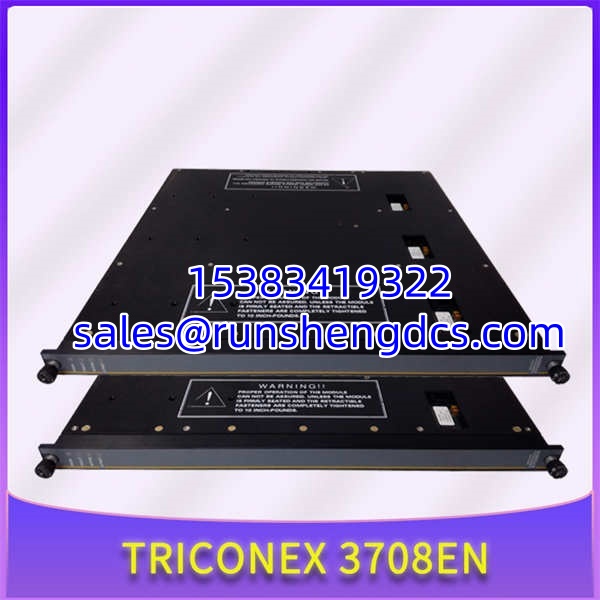
TRICONEX 3708EN
Compatible Replacement Models
- ✅ Drop-in Replacement: TRICONEX 3708E (Non-N suffix). Same 24VDC, same pinout, same thermocouple types. Verify firmware revision matches your Tricon chassis; newer revs may require a controller sync. Cost typically 15-20% higher than EN surplus.
- ⚠️ Software Compatible: TRICONEX 3708A. Physically identical but older silicon. Requires full SIS logic download and 4-6 hours of commissioning to verify cold junction calibration across all three redundant channels.
- ❌ Hardware Incompatible: Any 3700-series digital input module or non-Triconex thermocouple card. Different backplane protocol, different voltage requirements, different everything. Do not attempt to adapt; you will compromise the SIL 3 integrity of the safety system.