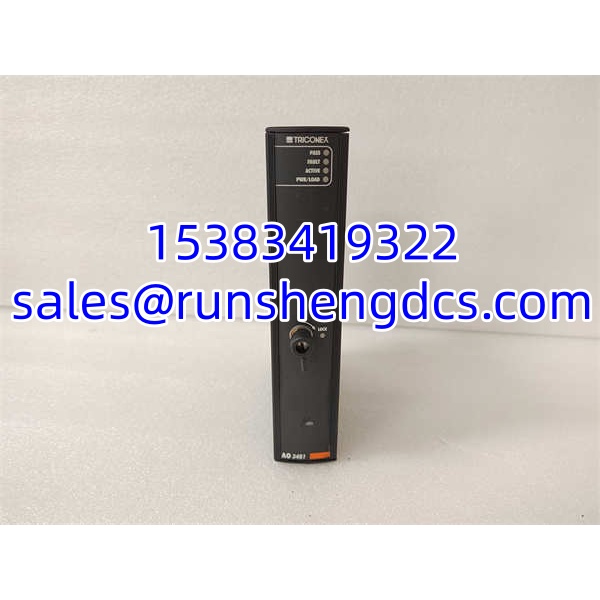

Description
Key Technical Specifications
| Parameter | Value / Notes |
|---|---|
| Part Number | 3481 |
| Brand | TRICONEX / Schneider Electric |
| Product Family | Triconex Tricon-family safety system module |
| Typical Use | Safety instrumented system / Tricon chassis module |
| Power Environment | Commonly 24 VDC in Tricon I/O and field power contexts |
| Installation | Triconex chassis / backplane slot; verify mechanical keying |
| Operating Temperature | Typically around −20 °C to +60 °C; verify OEM datasheet |
| Application Area | Petrochemical, oil & gas, power, process safety systems |
| Configuration | Requires Triconex engineering tools and project configuration |
| Availability | Legacy / surplus; confirm revision and test status before purchase |
Product Introduction
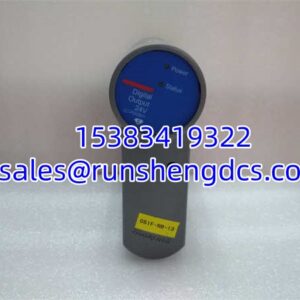
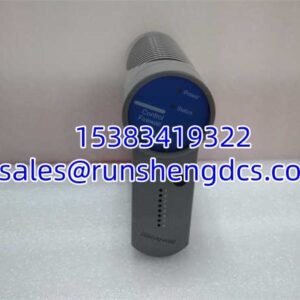
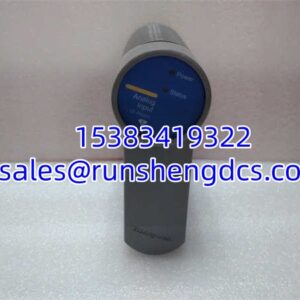
In a Triconex safety system, the module number alone does not tell the full story. The chassis, firmware, backplane position, I/O type, and project configuration all determine whether a module is acting as a communication interface, a controller-related module, or a safety I/O element. TRICONEX 3481 belongs to that class of Triconex hardware where the nameplate and project documentation matter more than the catalog description.
Its practical value is as a replacement or maintenance spare for an existing Tricon-family safety system. If a plant already has a Triconex SIS running with a failed or suspect 3481 module, a verified replacement can restore chassis functionality — but only if the hardware revision, firmware compatibility, slot assignment, and safety configuration match. Bottom line: it is a safety-system component, not a plug-and-play commodity part.
QA/QC Transparency SOP
- Intake & Origin Verification
Check the nameplate for:- TRICONEX branding
- Part number 3481
- Hardware revision / series letter
- Serial number
- Manufacturing date or lot code
- Chassis compatibility markings
Reject any unit with a damaged label, mismatched part number, or missing revision data.
- Live Functional Testing
If the module is tested in a compatible Triconex chassis, verify that it powers up, is recognized by the chassis, and does not generate fault indicators. For communication-type modules, test port activity and protocol response. For I/O-type modules, verify channel status and diagnostic behavior. - Electrical Parameter Tests
Inspect connectors, pins, backplane contacts, and terminal areas. Check for corrosion, bent pins, burnt traces, cracked housings, or loose components. Use a multimeter for continuity and insulation checks where applicable. Do not apply field voltage without confirming the module’s rated power input. - Firmware/Config Verification
Read the module identity, hardware revision, firmware version, and diagnostic status through the Triconex engineering environment. Back up any readable configuration before making changes. A surplus 3481 may carry old project data or incompatible firmware. - Final QC & Anti-Static Packaging
Confirm physical condition, connector integrity, and test status. Pack the module in anti-static material with rigid protection against backplane pin damage. Include the serial number, revision, test status, and a note that installation must follow site SIS procedures and Triconex documentation.
Field Engineer Gotchas
Hardware revision mismatch
Risk: The module fits the chassis but fails to initialize, shows a fault, or is rejected by the controller.
Fix: Compare the exact part number, hardware revision, and firmware compatibility against the existing Triconex project.
Blunt warning: “3481” is not enough. A revision difference can make the module incompatible.
Wrong chassis slot or backplane position
Risk: The module powers up but reports configuration errors, I/O faults, or communication failures.
Fix: Confirm the slot assignment in the Triconex project before installing the spare.
War story: A replacement Triconex module was installed in the same physical slot as the old one, but the project expected a different module type in that position. The hardware was fine; the slot/function mapping was wrong.
Firmware or project mismatch
Risk: The SIS accepts the module electrically, but the safety program does not recognize it correctly.
Fix: Verify firmware revision and module definition in the Triconex engineering tool.
Bottom line: In safety systems, firmware is not a minor detail.
Assuming it is a generic I/O card
Risk: Technicians wire field power, analog loops, or digital signals based on guesswork.
Fix: Use the Triconex manual for the exact module revision. Confirm whether it is an I/O module, communication module, or controller-related module before wiring anything.
Blunt warning: Wrong wiring in a Triconex chassis can create false safety indications or force unnecessary trips.
Using untested surplus in a safety-rated application
Risk: The module appears functional but has latent faults, old firmware, or hidden damage.
Fix: Test in a known-good chassis, verify diagnostics, and document the test before installing it in a live SIS.
Reality check: Surplus Triconex modules can be legitimate spares, but only if they are verified.
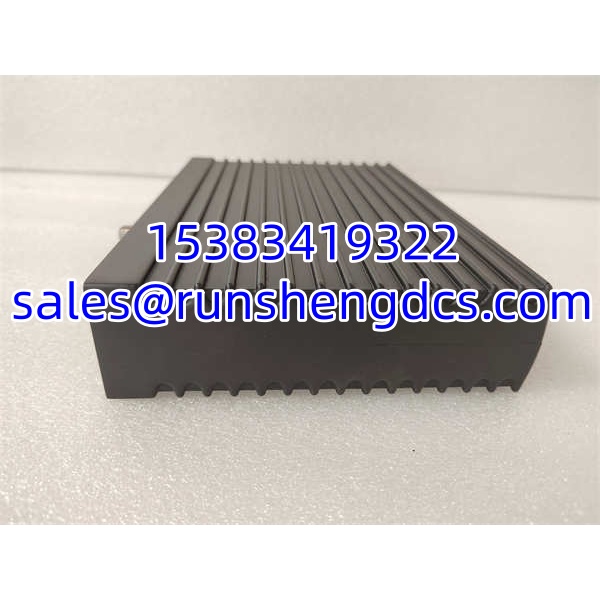
TRICONEX 3481
Application Scenarios
- Tricon SIS maintenance where a failed 3481-family module must be replaced without redesigning the safety system.
- Petrochemical ESD systems where Triconex controllers require verified spare modules to restore safety I/O or communication functions.
- Oil & gas process safety applications where module availability is limited and plants rely on surplus inventory for legacy Tricon systems.
- Power generation safety systems using Tricon-family hardware for turbine protection, fire/gas detection, or emergency shutdown functions.
- Legacy SIS upgrades where the existing 3481 module is being evaluated for compatibility before migration to newer Tricon or Tricon CX hardware.
Anonymized case study
A process plant had a Tricon-family safety system showing a module fault on one chassis position. Maintenance pulled the suspect 3481 module and installed a surplus replacement. After power-up, the chassis recognized the module, but the engineering workstation showed a configuration mismatch. The replacement module had a different hardware revision than the project expected. After confirming the revision, updating the module definition in the safety project, and running a controlled download during a maintenance window, the fault cleared and diagnostics returned to normal. The lesson: in Triconex systems, physical fit does not equal functional compatibility.
FAQ
Is TRICONEX 3481 a communication module or a controller?
The available surplus data is inconsistent. Some listings call it a communication module, others call it a controller. Confirm the exact function from the nameplate, hardware revision, chassis slot, and Triconex documentation before treating it as either.
Can I install a surplus 3481 directly into my Tricon chassis?
Not automatically. Verify the hardware revision, firmware compatibility, slot assignment, and project configuration. A surplus module may be physically compatible but functionally mismatched.
What voltage does TRICONEX 3481 use?
Triconex I/O and field power environments commonly use 24 VDC, but the exact power requirements for this module must be confirmed from the OEM documentation and nameplate.
Is TRICONEX 3481 still supported?
It should be treated as a legacy / stop-production spare. For new projects, confirm with Schneider Electric / Triconex whether this module is appropriate or whether a current Tricon / Tricon CX platform is required.
Will this module work in a Tricon CX system?
Not necessarily. Tricon-family modules and Tricon CX modules are not automatically interchangeable. Compatibility depends on the module type, revision, chassis, firmware, and engineering tool support.
How do I know if the 3481 module is good?
Verify it in a known-good Triconex chassis, check for fault indicators, confirm communication or I/O behavior, and review diagnostics in the Triconex engineering environment. Visual inspection alone is not enough for a safety-rated module.
Can I use this module in a non-safety PLC application?
Technically possible in some cases, but not recommended. Triconex modules are designed for safety-system architectures and usually require Triconex controllers, chassis, and engineering tools.