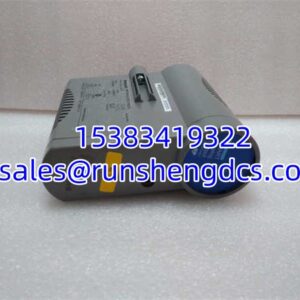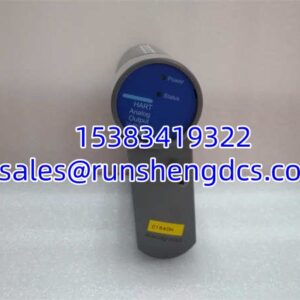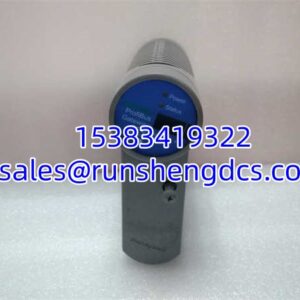
Description
Key Technical Specifications
- Product Model: 3009
- Manufacturer: Triconex
- Processor Architecture: 64-bit RISC
- Memory: 256 MB RAM
- Non-Volatile Storage: 4 MB NVRAM
- Redundancy: Triple Modular Redundancy (TMR)
- Safety Rating: SIL 3 (IEC 61508 / IEC 61511)
- Communication: RS232, RS485, Ethernet
- Software Compatibility: TriStation 1131
- Operating Temp: -20°C to +55°C (Enhanced Coating)
- Dimensions: 176mm x 88mm x 25mm
- Weight: 300g
Product Introduction
Your SIS (Safety Instrumented System) just threw a “Processor Fault” alarm, and the panel is blinking red. The Triconex 3009 is the brain of your Tricon chassis, executing safety logic through three isolated, parallel processors that constantly vote on every output. It’s not just a CPU; it’s the fault-tolerant core of your emergency shutdown system. When this module fails, you’re flying blind on critical safety functions, and you don’t have time to debug.
Why keep a spare Triconex 3009? Because it carries SIL 3 certification and uses a 64-bit RISC architecture with 256MB of RAM to handle complex ESD and F&G logic without missing a millisecond. The onboard diagnostics store fault data in NVRAM, so you can actually find out why it tripped. Bottom line — it’s the difference between a safe, controlled shutdown and an uncontrolled event.
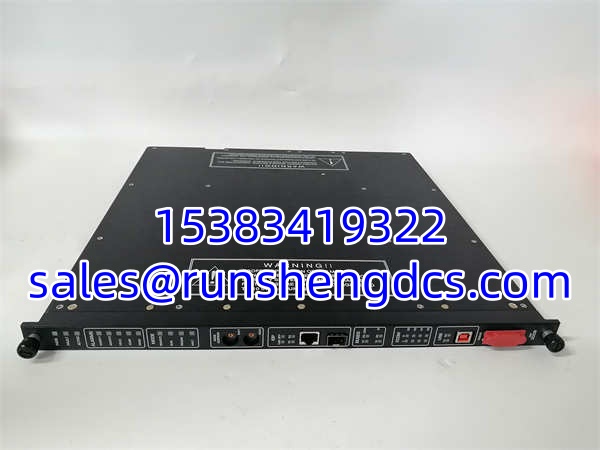
TRICONEX 3009
QA/QC Transparency SOP
- Intake & Origin Verification: Every Triconex 3009 is inspected for physical damage, bent backplane pins, and correct revision stamps. We verify the serial number against Triconex manufacturing records to rule out counterfeit modules. No exceptions.
- Live Functional Testing: Module is installed in a verified Tricon test chassis. We download a test logic program via TriStation 1131 and confirm the TMR voting logic executes correctly. Communication handshakes over Ethernet and serial ports are validated under load.
- Electrical Parameter Tests: Power supply rails are measured at the backplane connector to ensure they’re within ±5% tolerance. Insulation resistance is megger-tested between the processor and chassis ground. Over-temperature protection circuits are verified by simulating thermal faults.
- Firmware/Config Verification: Firmware revision is read and logged. We confirm it matches the target Tricon system’s expected revision range. NVRAM is cleared and tested for write/read integrity. Configuration jumpers are photographed and documented.
- Final QC & Anti-Static Packaging: All test data is compiled into a certificate of conformance. Module is sealed in an anti-static bag with desiccant, then boxed with foam protection. QC signature and date are affixed to the package.
Field Engineer Gotchas
- Firmware Rev Mismatch: Risk: TMR processor rejects the module or flags a “Program Mismatch” fault. Solution: Always check the firmware revision on the module label against your system’s accepted revision list before installation. I’ve seen crews waste 6 hours troubleshooting a perfectly good 3009 that was just one rev too new for their legacy Tricon v9.0 rack.
- DIP Switch/Jumper Errors: Risk: Module defaults to wrong node ID or redundant mode. Solution: Photograph the jumper settings on the old module before removal. The 3009 has critical configuration jumpers for redundancy and communication settings. One missing jumper = system won’t synchronize.
- Wiring/Terminal Block Incompatibilities: Risk: Backplane damage or communication failures. Solution: Use only Triconex-rated backplane connectors. Generic connectors often have insufficient contact pressure for the 3009’s high-density pins. I’ve seen backplane pins bent from forcing the wrong connector type.
- Power Draw/ESD Risks: Risk: Backplane overload or latent ESD damage. Solution: Verify your Tricon power supply has ≥20% headroom when adding processors. Always wear a grounded wrist strap. The TMR logic is ESD-sensitive; I’ve replaced three “new” modules in one month before realizing the tech was working on carpet without a strap.
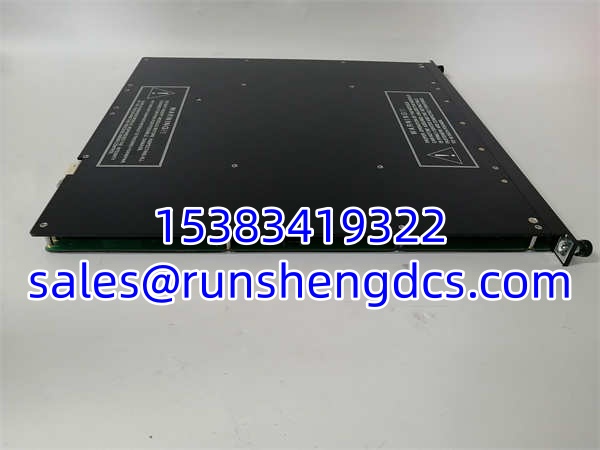
TRICONEX 3009
Application Scenarios
- Oil & Gas ESD Systems: High-risk environments demand SIL 3 reliability. The Triconex 3009’s TMR architecture ensures a single internal fault doesn’t cause a spurious trip or loss of protection. 3 processors voting on every output means your emergency shutdown valves close when they’re supposed to.
- Chemical Reactor Safety: Exothermic reactions require zero-tolerance for false negatives. The 3009’s 64-bit RISC processor handles complex safety logic with deterministic scan times, ensuring temperature and pressure interlocks respond in milliseconds.
- Power Generation Turbine Control: Steam and gas turbines need high-availability control. The 3009 supports online repair — you can replace a failed processor without shutting down the turbine. The NVRAM stores fault history, so you can diagnose the root cause post-event.
FAQ
Does the 3009 support hot-swapping?
Yes. It’s designed for online repair in a Tricon TMR system. The remaining two processors maintain safety coverage while you replace the third. But — always verify your system software version supports online repair; older revisions may require a brief system pause.
Can I mix 3009 and 3008 modules in the same rack?
No. The 3009 is an Enhanced Master Processor (UMP) with different firmware and memory architecture. Mixing processor types in a TMR group will cause synchronization failures. All three processors in a TMR set must be identical.
My system is Tricon v10.0, will a v11.0 3009 drop in?
Not guaranteed. Newer firmware may have features that older system software can’t parse. Check the Tricon Compatibility Matrix first. If no matrix exists, call the supplier with your exact system version. Don’t guess on safety systems.
What’s the max scan time for safety logic?
Typical scan times are <10ms for standard ESD logic, but this depends on program complexity and I/O count. The 3009’s 64-bit RISC processor is optimized for deterministic execution. Verify your actual scan time in TriStation 1131 during commissioning.
Is this module SIL 3 certified?
Yes. The Triconex 3009 is certified to IEC 61508 SIL 3 and IEC 61511 SIL 3 for safety instrumented functions. But — you must follow the Triconex Safety Manual for installation, wiring, and proof testing to maintain the SIL claim in the field.
How do I proof-test this module?
The 3009 supports online proof testing via TriStation 1131 diagnostics. You can force processor faults and verify the TMR voting logic responds correctly. Full offline proof testing requires removing the module and running it on a test bench. Document everything — auditors will ask.
What’s the typical lead time if out of stock?
New surplus: 2-4 weeks from global network. Refurbished: 1-2 weeks if in test queue. Don’t accept “in stock” without a serial number verification. I’ve seen 8-week delays when suppliers counted “allocated” stock as available. Safety spares don’t wait.