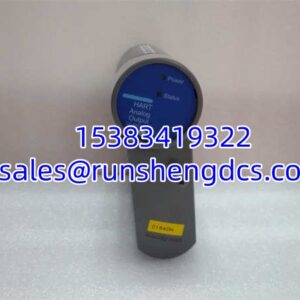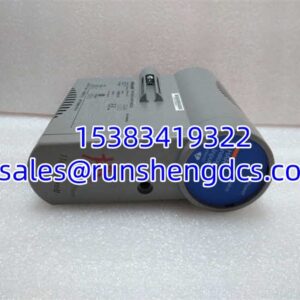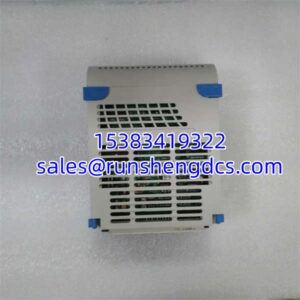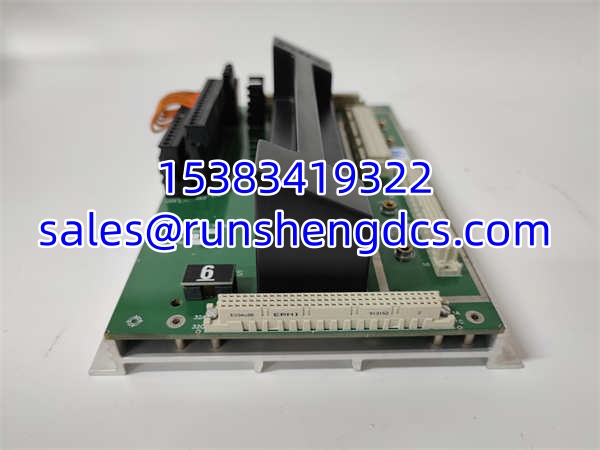
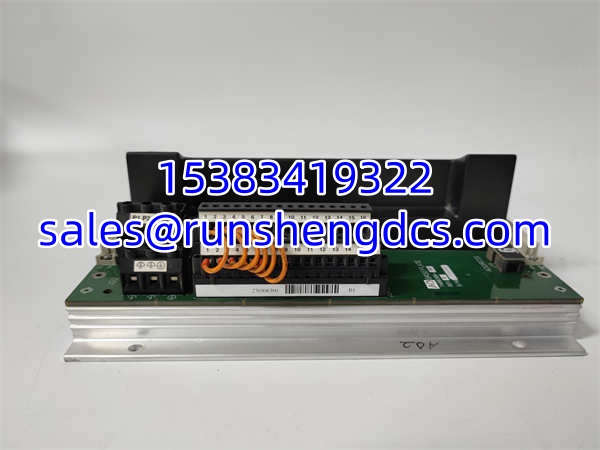

Description
Key Technical Specifications
- Brand: TRICONEX
- Model: 2481
- Product Family: Tricon TMR Safety System
- Module Type: Baseplate / backplane
- Primary Function: Module support, electrical interconnection, and system integration within a Tricon chassis
- System Role: Supports processor, I/O, and communication modules in Tricon safety controllers
- Architecture Context: Part of a Triple Modular Redundant safety control system
- Typical Application: SIS, ESD, F&G, BMS, and other safety-critical process control systems
- Hot-Swap Support: Tricon systems commonly support online module maintenance, but 2481 baseplate replacement requires chassis-level verification
- Power Distribution Role: Provides necessary power paths to installed modules
- Communication Role: Supports internal module-to-module and system communication paths
- Exact Electrical Ratings: Not confirmed from available data; verify against OEM nameplate and Tricon hardware manual
Product Introduction
TRICONEX 2481 is a Tricon system baseplate / backplane component, not a standard PLC I/O card. It sits inside the Tricon chassis and provides the mechanical mounting, power distribution, and internal communication paths that allow Tricon processor and I/O modules to operate as part of a TMR safety system.
Bottom line—this part matters when a Tricon rack is damaged, corroded, or suffering from backplane-level faults. The value is not in generic “automation module” labeling. It is in matching the exact Tricon hardware revision, chassis configuration, and safety-system documentation. A wrong baseplate can look physically compatible but still create communication faults, power distribution issues, or safety-system integrity problems.
Troubleshooting Quick Reference
| Fault | Likely Cause | Quick Check |
|---|---|---|
| Multiple modules fault at once | Baseplate, backplane power, or chassis power supply issue | Measure chassis supply voltage; inspect baseplate connectors |
| Intermittent I/O failures | Backplane contact, loose module, vibration, or corrosion | Reseat modules after lockout; check pin contacts |
| Communication errors between modules | Baseplate communication path, terminator, or module fault | Verify module seating and Tricon diagnostic status |
| Module not recognized | Wrong slot, revision mismatch, or backplane fault | Confirm slot assignment and compare nameplate revision |
| No power to modules | 24V DC supply, fuse, power supply module, or baseplate path | Measure voltage at power input and module supply points |
| Repeated module faults after replacement | Baseplate damage or system configuration issue | Inspect baseplate pins, connectors, and chassis ground |
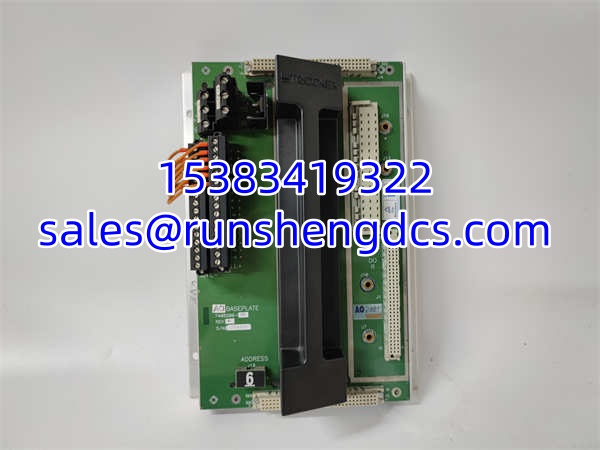
TRICONEX 2481
Application Scenarios & Pain Points
- Oil and gas ESD systems
High vibration, salt air, and temperature cycling can corrode backplane contacts. The pain point is intermittent faults that mimic I/O module failures. - Refinery SIS / safety shutdown systems
Downtime windows are short. Replacing a baseplate is not a simple card swap because it can affect chassis integrity, module seating, and safety-system diagnostics. - Power generation turbine protection
False trips are expensive. Baseplate-level noise, grounding issues, or poor module contact can create unstable diagnostics. - Chemical plant F&G systems
Corrosive environments damage connector pins over time. The real failure may not be the sensor or I/O module—it may be the baseplate interface.