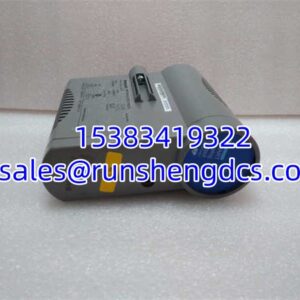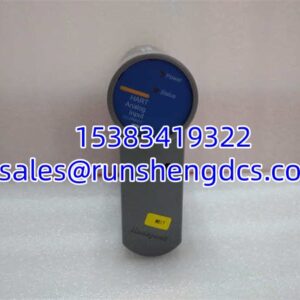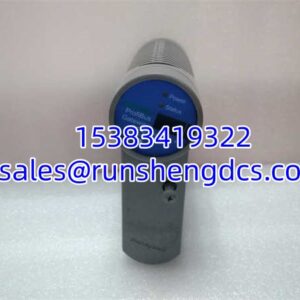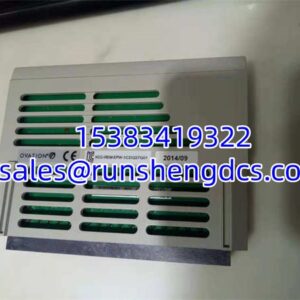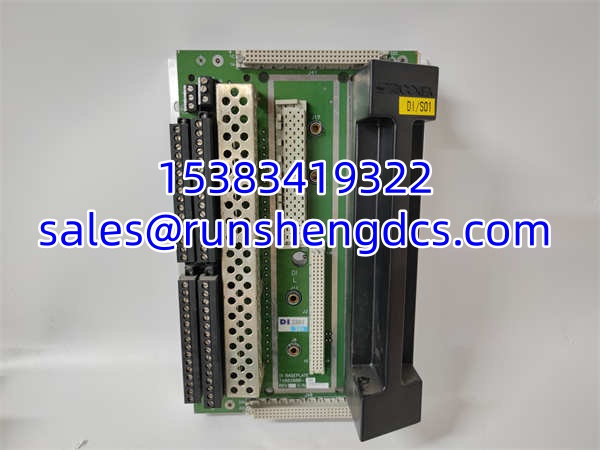
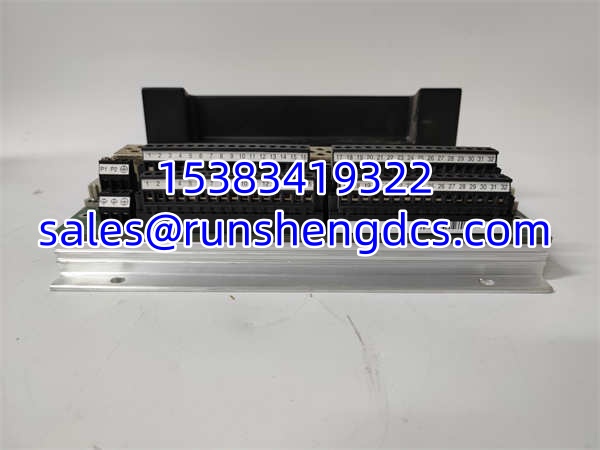

Description
Key Technical Specifications
- Product Type: Triconex safety I/O module
- Model Reference: TRICONEX 2301
- Possible Variants: DI2301 / analog input 2301 / digital output base 2301 — verify physically
- Brand: Triconex / Schneider Electric
- Target System: Tricon / Triconex TMR safety control system
- Redundancy Architecture: TMR / triple modular redundant
- Safety Application Class: SIS / ESD / F&G / BMS / HIPPS-type safety applications
- Installation: Tricon chassis I/O module slot
- Field Signal Type: Depends on exact variant — digital input, analog input, or digital output base
- Operating Environment: Industrial process environments; exact temperature/vibration ratings depend on module variant
- Software Environment: Triconex / TriStation-type safety application environment
- Replacement Rule: Do not substitute based on “2301” alone; confirm full part number and module function
Product Introduction
A Tricon cabinet goes into fault, the safety logic still runs, but one I/O module stops reading field signals cleanly. That is where TRICONEX 2301 becomes relevant. It belongs to the Triconex TMR safety I/O family, not to ordinary PLC or DCS I/O families. Its job is to bring field signals — digital status, analog measurements, or output commands — into a safety controller that uses triple modular redundancy.
The real value is not just “another I/O card.” It is keeping a safety system compliant with its original design intent. Triconex systems are built around TMR fault tolerance, diagnostic coverage, and online module replacement. If the failed module is truly a TRICONEX 2301 variant and the replacement matches the same function, revision, and chassis role, it can restore field I/O without reworking the entire safety application. If the variant is wrong, the controller may reject the module, flag configuration faults, or disable safety functions.
Troubleshooting Quick Reference
| Fault | Likely Cause | Quick Check | Fix |
|---|---|---|---|
| Tricon reports I/O module fault | Wrong module, loose seating, failed module | Check Triconex diagnostics / event log | Reseat module; confirm exact 2301 variant |
| Field signal reads bad or erratic | Wiring, terminal, sensor, or channel fault | Measure field signal at terminal | Check sensor, wiring, fuse, and termination |
| Module not recognized by chassis | Slot fault, backplane contact, wrong module type | Inspect chassis slot and module keying | Reseat; try verified compatible slot if allowed |
| Safety logic trips unexpectedly | Incorrect replacement, configuration mismatch | Compare old and new nameplates | Use exact matching Triconex module type |
| Intermittent faults | Vibration, loose connector, EMI, grounding | Check cabinet grounding and connectors | Tighten connections; improve shielding/grounding |
| Replacement module fails | Different revision or function code | Read full part number, not just “2301” | Source correct Triconex module and verify config |
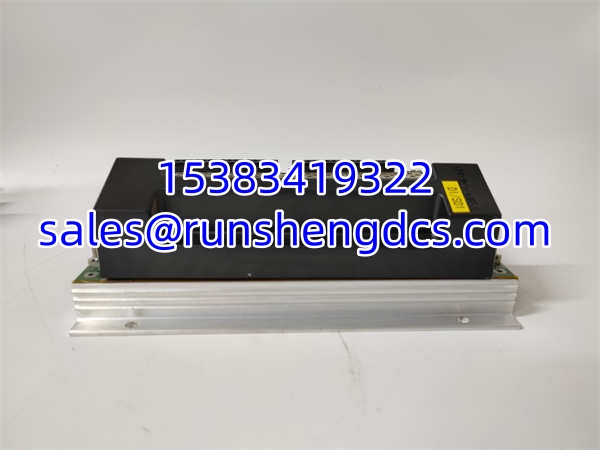
TRICONEX 2301
Application Scenarios & Pain Points
- Oil and gas ESD systems: A single I/O module failure can force a plant into safe shutdown. The pain is not the module cost; it is the downtime and the risk of installing the wrong variant.
- Chemical / petrochemical SIS: Triconex modules often sit near harsh process areas. Intermittent faults are frequently wiring, termination, or grounding — not the CPU.
- Power generation turbine/compressor protection: Fast, reliable I/O matters. A replacement module with the wrong revision can block startup even if it physically fits.
- Fire and gas systems: False alarms or missed alarms usually trace back to field devices, wiring, or I/O channel faults before the main controller.
- Spare-parts confusion: “TRICONEX 2301” is sometimes listed as digital input, analog input, or digital output base. That is a major red flag for procurement.