
Description
Key Technical Specifications
| Parameter | Value / Notes |
|---|---|
| Manufacturer | Schneider Electric / Modicon |
| Primary Model | 140AMM09000 |
| Suffix Variant | 140AMM09000C |
| Product Family | Modicon Quantum 140 series |
| Module Type | Analog hybrid I/O module |
| Channel Configuration | 4 analog inputs, 2 analog outputs |
| Typical Signal Types | Voltage and current analog ranges |
| Platform | Modicon Quantum rack / backplane |
| Application Class | Process control, mixed analog I/O, legacy Quantum systems |
| Replacement Rule | Match exact part number, suffix, channel count, signal ranges, and Quantum slot compatibility |
Product Introduction
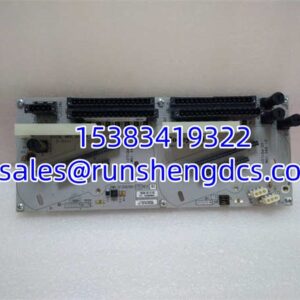
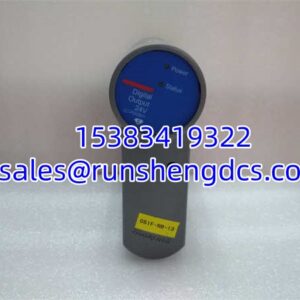
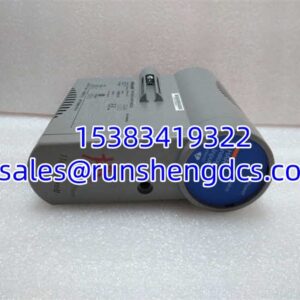
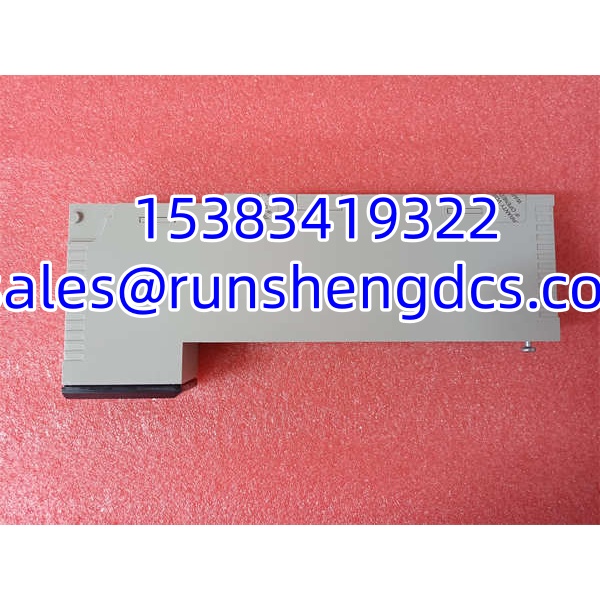
Mixed analog modules are one of the more annoying failure points on legacy Quantum systems because they do not look like a simple DI/DO card. The Schneider 140AMM09000 is a Modicon Quantum analog hybrid module with 4 analog inputs and 2 analog outputs, so it handles both measurement and control signals in one slot. That makes it useful where space, slot count, or legacy BOM constraints matter.
It belongs to the Modicon Quantum 140-series ecosystem and is typically found in older process control, utility, manufacturing, and infrastructure PLC racks. The practical value is not in flashy specs. It is in keeping an existing Quantum chassis running without redesigning the I/O architecture. Bottom line — if the plant already has a Quantum backplane and needs 4 AI / 2 AO in one module, this part number is worth evaluating, but only after confirming the suffix and signal configuration.
QA/QC Transparency SOP
- Intake & Origin Verification
Check the nameplate for 140AMM09000 or 140AMM09000C. Confirm the label is original, legible, and matches the purchase order. Reject units with cracked housings, bent pins, corroded terminals, missing connectors, or evidence of board-level repair. - Visual & Mechanical Inspection
Inspect the backplane connector, analog terminals, mounting latch, and enclosure. Look for heat discoloration, damaged pins, loose connectors, or signs of liquid exposure. Quantum modules depend on clean backplane contact. - Live Functional Testing
Power the module in a known-good Quantum rack or test chassis. Verify that the CPU recognizes the module, channel diagnostics are normal, and I/O data updates correctly. For analog modules, inject known voltage/current signals and confirm the controller reads within expected ranges. - Electrical Parameter Tests
Perform continuity, insulation, and I/O channel checks where safe. Do not apply high-voltage megger tests to analog input/output terminals unless the OEM procedure explicitly permits it. Analog circuits can be damaged by improper insulation testing. - Final QC & Anti-Static Packaging
Record the exact part number, suffix, date code, physical condition, and test results. Package in ESD-safe materials, protect the backplane connector and terminals, and include a note to verify slot compatibility and signal configuration before energizing.
Field Engineer Gotchas
140AMM09000 vs 140AMM09000C is not automatically interchangeable
Risk: Ordering based on the base number only, then discovering the suffix affects firmware, configuration, or compatibility.
Fix: Match the full part number, including any suffix, against the existing module label and project documentation.
Blunt warning: Same base number does not mean drop-in replacement.
Wrong signal-range configuration
Risk: The module is recognized, but channels read incorrectly or fault because the project expects 4–20 mA while the hardware or configuration is set for voltage.
Fix: Confirm supported input/output ranges in the Schneider / Modicon documentation and match the field wiring, terminations, and project configuration.
War story: A plant swapped an analog module and blamed the new unit for bad readings. The real issue was that the replacement required different scaling and wiring assumptions than the old module.
Backplane slot and chassis compatibility
Risk: Assuming any Quantum module fits any slot or any Quantum chassis without checking hardware revision and firmware support.
Fix: Confirm the CPU, backplane, rack power, and firmware level support the 140AMM09000 family before installation.
Bottom line — a module can be good, but the rack environment can still reject it.
ESD and terminal damage during swap
Risk: Analog modules are sensitive to static, shorted terminals, and incorrect wiring during replacement.
Fix: Use ESD-safe handling, disconnect field wiring before removal, label wires, and verify polarity before powering the rack.
This is where a lot of “bad replacement module” claims actually start.
Surplus listing confusion
Risk: Suppliers may list 140AMM09000, 140AMM09000C, or similar variants under the same product family.
Fix: Require a clear photo of the nameplate and confirm the exact part number before purchase.
If the listing cannot show the full label, treat it as unverified stock.
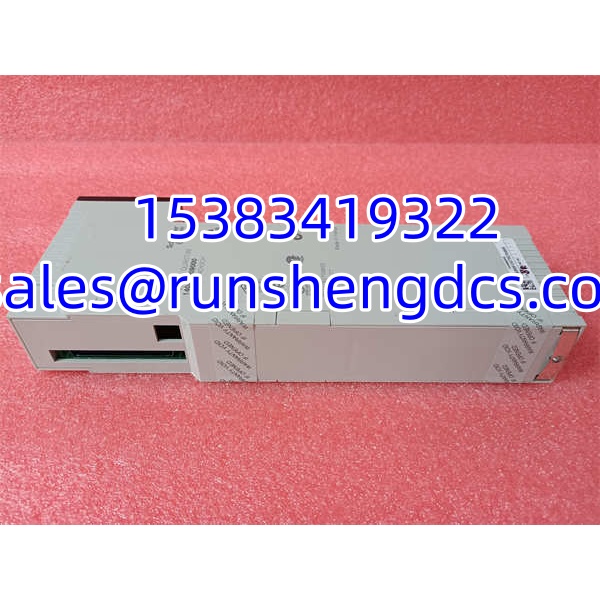
Schneider 140AMM09000
Application Scenarios
- Legacy Modicon Quantum PLC replacements where the existing I/O map already uses a 4-input / 2-output analog hybrid module.
- Process control cabinets needing mixed voltage and current signals for pressure, temperature, flow, or level instrumentation.
- Water/wastewater and utility stations running older Schneider/Modicon control systems with limited spare parts availability.
- Manufacturing lines where analog setpoints and feedback signals must coexist in a compact Quantum rack footprint.
- Maintenance spares for plants that cannot migrate off Quantum hardware without a full control-system redesign.
Anonymized Field Case
A water treatment plant had a Quantum rack reporting intermittent faults on an analog hybrid module. The operator saw erratic readings on two input channels and assumed the field transmitters were failing. The maintenance team checked wiring, power supply, and transmitter loops before pulling the module. The real issue was a corroded backplane contact combined with a degraded analog module. After cleaning the backplane connector, verifying the 24 VDC supply stability, and installing a verified 140AMM09000-family module, the channel readings stabilized. The takeaway: on mixed analog modules, always check the rack, power, and configuration before condemning the field instruments.
FAQ
Is 140AMM09000 the same as 140AMM09000C?
Not necessarily. They belong to the same module family, but the suffix can affect compatibility, firmware expectations, or configuration. Match the exact part number printed on the existing module before ordering.
What channels does this module have?
The 140AMM09000 is commonly described as an analog hybrid module with 4 analog inputs and 2 analog outputs.
Is this a digital I/O module?
No. It is an analog hybrid I/O module, not a discrete/digital input or output module.
Will it fit any Modicon Quantum rack?
Usually it is intended for Modicon Quantum 140-series racks, but slot compatibility, CPU support, backplane type, and firmware level must be verified before installation.
Can I use it as a direct replacement without checking the project?
No. You still need to confirm signal ranges, scaling, wiring, channel assignment, and whether the controller program expects the exact module type and suffix.
How do I know if a surplus unit is usable?
Check the nameplate, physical condition, backplane connector, terminal condition, and test documentation. For analog modules, visual inspection alone is not enough.
Where should I verify exact specs?
Use the Schneider Electric / Modicon datasheet, the unit nameplate, or official Schneider technical support. Third-party listings often repeat part numbers without confirming signal ranges or revision details.