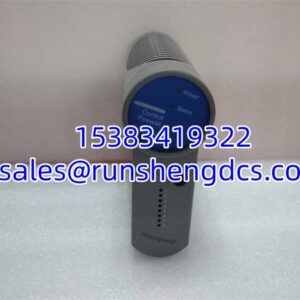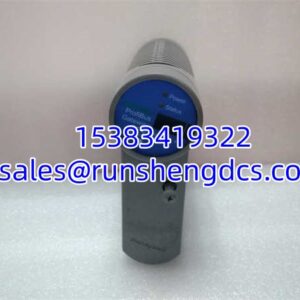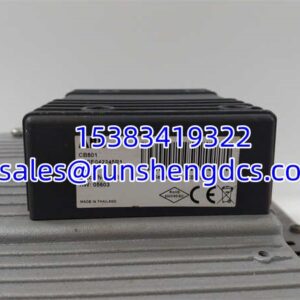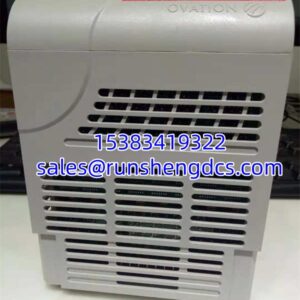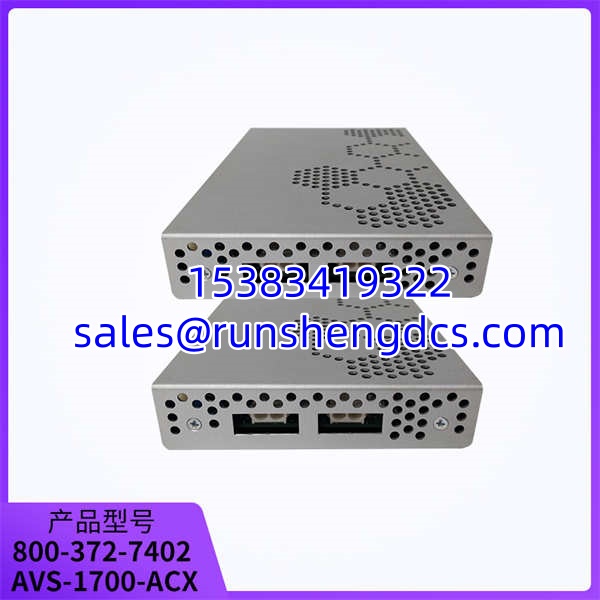

Description
Key Technical Specifications
- Product Model: 800-372-7402
- Drive Series: AVS-1700-ACX
- Manufacturer: Reliance Electric
- Product Type: Advanced Vector Servo Drive
- Control Logic: Programmable Controller Synchronization
- Timing Tolerance: +20% over normal operation duration
- Feedback Integration: Limit Switch End-of-Action Signal
- Fault Response: Automatic Program Halt & Alarm Trigger
- Target Application: Heavy Mechanical Actuation & Multi-Step Processes
- Market Status: Legacy Industrial Spare Part
Product Introduction
You don’t put this drive on a conveyor belt just to move boxes. The RELIANCE 800-372-7402 AVS-1700-ACX is built for heavy mechanical equipment where the cycle time is absolute. I’ve seen plants lose thousands of dollars an hour when a mechanical actuator jams and the controller just keeps pushing. This drive prevents that. When your programmable controller sends a start signal, the RELIANCE 800-372-7402 AVS-1700-ACX kicks off an internal timer. If a mechanical step normally takes 10 seconds, the drive expects a limit switch signal within 12 seconds.
If that end-of-action signal doesn’t arrive, the drive doesn’t guess. It uses a normally open contact to trigger a hard fault signal, immediately halting the normal program and activating the alarm display. This specific timing buffer (20% longer than normal) is exactly what keeps maintenance crews from chasing ghosts. It tells you instantly that your mechanical limit switch is stuck or your actuator is binding, letting operators take troubleshooting measures before a motor burns out. It is a brutal, effective safety net for legacy automation.
Quality SOP & Tech Pitfalls (The Reality Check)
Before this RELIANCE 800-372-7402 AVS-1700-ACX leaves our bench, it goes through a strict protocol. We start with a visual counterfeit check and inspect the PCB for thermal damage. Next, it goes on a live test rack where we simulate a PLC start signal and verify the 12-second timer logic actually trips the fault relay when the limit switch is open. We check insulation resistance with a Fluke 1507 and log the firmware revision before sealing it in anti-static packaging. We can provide the test report if you ask.
Here is the reality check: Do not assume the internal timer capacitor is still calibrated after 15 years on a shelf. I once saw a tech install a “new old stock” drive, and the timer drifted so badly it tripped at 8 seconds instead of 12, causing false alarms every cycle. Always verify the 20% timing tolerance against your actual mechanical cycle time upon installation. Also, watch your grounding. The AVS-1700-ACX is notoriously sensitive to ground loops from the limit switch wiring. If your fault signal triggers randomly, check your shield grounding before blaming the drive.
Installation & Configuration Guide
- Pre-Installation: ⚠️ Lock out and tag out all main power. Wait a full 5 minutes for the internal DC bus capacitors to discharge. Verify 0V with a multimeter. Take high-resolution photos of the existing wiring and DIP switch settings before touching a single screw.
- Removal: Label every wire with a sharpie or tape. Release the DIN rail clips safely. Do not yank the module by the connector pins.
- Installation: Copy the DIP switch and jumper settings exactly from the old unit. This prevents 90% of startup communication failures. Slide the RELIANCE 800-372-7402 AVS-1700-ACX onto the rail and lock it down. Reconnect wires according to your photos.
- Power-On & Testing: Apply 24V DC control power first. Watch the LED boot sequence. Once stable, apply main power. Send a manual PLC start signal and use a stopwatch to verify the timer accurately hits the 12-second mark before the fault relay engages.
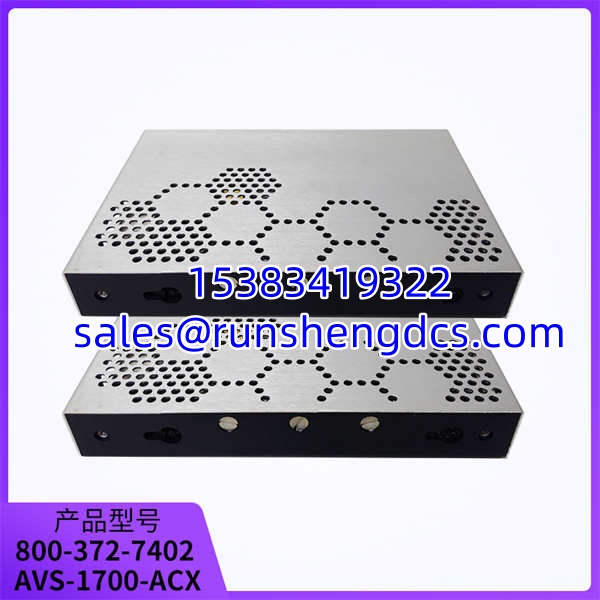
RELIANCE 800-372-7402-AVS-1700-ACX
Compatible Replacement Models
| Replacement Model | Compatibility Tier | Notes |
|---|---|---|
| RELIANCE | ✅ Drop-in Replacement | Exact same hardware. Verify firmware revision matches your PLC logic. |
| RELIANCE 800-372-7402 | ✅ Drop-in Replacement | Same base part number. Cross-reference the “-ACX” suffix to ensure identical I/O. |
| RELIANCE GP200 Series | ⚠️ Software Compatible | Requires complete logic recompile in the PLC. Estimated 4-8 hours of engineering labor. |
| Modern AC Servo Drive | ❌ Hardware Mod Required | Requires new chassis, rewiring, and full system re-engineering. Not recommended for quick swaps. |
Frequently Asked Questions (FAQ)
Can I hot-swap this drive while the PLC is running?
Absolutely not. The requires a full power-down and capacitor discharge. Hot-swapping will fry the input stage and potentially damage your PLC output card.
Why does the drive trip exactly at 12 seconds every time?
That is by design. The drive is programmed to add a 20% buffer to your normal mechanical cycle time. If your actuator takes 10 seconds, the timer is hard-set to 12 seconds. If it trips exactly then, your mechanical limit switch is failing to close, or the actuator is physically binding.
Is this drive still supported by the OEM?
Reliance Electric legacy drives are officially obsolete. You are relying on surplus stock and third-party repair networks. Keep a spare on the shelf because finding a factory-refurbished unit is getting harder every year.
Will a newer Reliance drive work as a direct swap?
No. Modern drives do not share the same analog/digital I/O footprint or the legacy timer logic of the . You would need to rewrite the PLC program and rewire the control panel. Stick to the exact 800-372-7402 part number for a quick swap.
How do I know if the internal timer capacitor has degraded?
If the drive starts tripping prematurely (e.g., at 10.5 seconds instead of 12), the timing capacitor has likely dried out. This is a common failure mode for aged units. It requires board-level repair to replace the capacitor.
Does this module handle the motor power directly?
No, the 800-372-7402 acts as the control and timing module. It interfaces with the PLC and limit switches, and sends command signals to the main power stage. Always verify your main contactor and motor leads separately if the drive is healthy but the motor won’t turn.