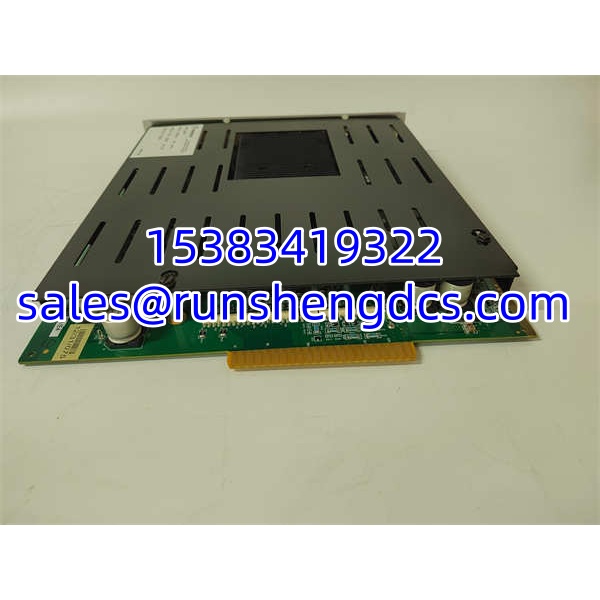
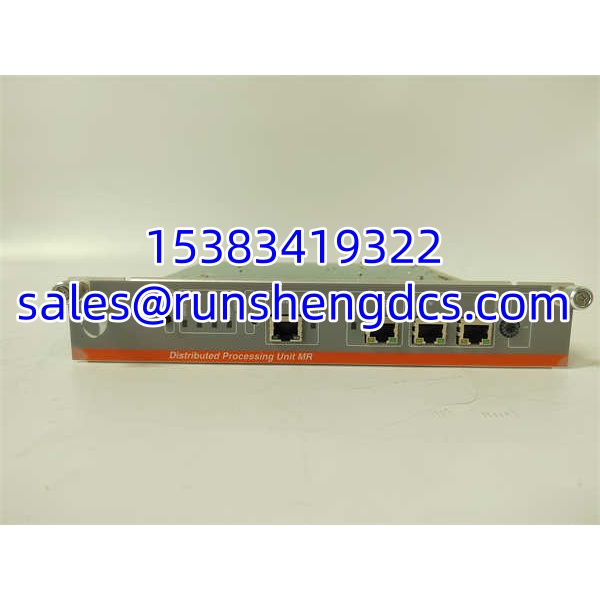
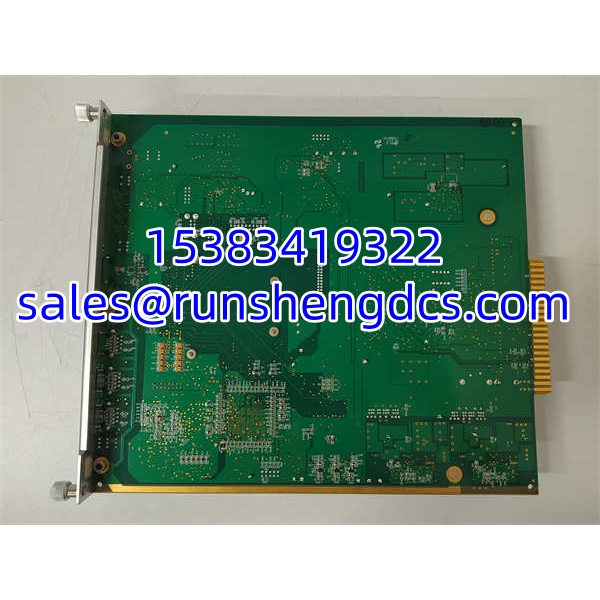

Description
Key Technical Specifications
| Parameter | Specification |
|---|---|
| Manufacturer | Metso / Metso Automation (MAX Controls) |
| Model | PDP601 |
| Product Type | Distributed processing / distributed I/O module |
| Typical Host System | Legacy Metso MAX Controls process-control system |
| Typical Condition | Used surplus or refurbished |
| Availability | Surplus market; OEM support likely limited |
| Documentation | Verify against Metso/MAX Controls hardware manual and physical nameplate |
Product Introduction
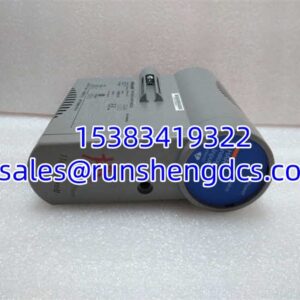
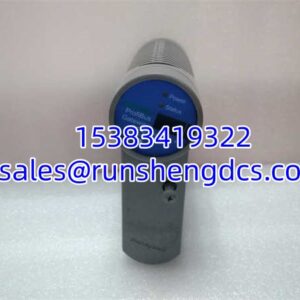
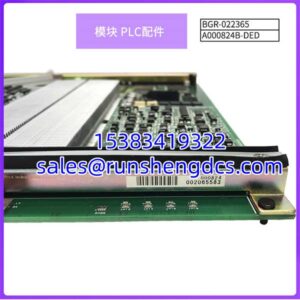
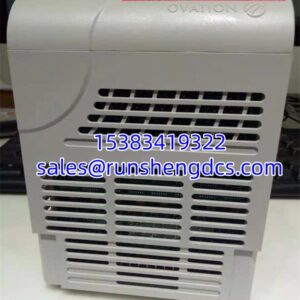
The PDP601 is one of those legacy Metso modules that shows up in surplus catalogs more often than it appears in clean, verifiable OEM documentation. It is generally described as a distributed processing or distributed I/O unit associated with older Metso/MAX Controls systems, used to extend or distribute control signals within a process cabinet or remote I/O location.
Its practical value is maintenance continuity. If a plant is still running a legacy Metso system and a PDP601 fails, a tested replacement can keep the cabinet alive while a migration is planned. But it is not a generic Ethernet I/O block, not a Valmet DNA module, and not an AC 800M S800 I/O card. The “PDP” prefix and the wide variation in online specs mean the nameplate, revision, and host system must be confirmed before purchase.
QA/QC Transparency SOP
- Intake & Origin Verification: Record model PDP601, part number, revision, serial number, and source cabinet. Reject units with burnt power stages, corroded connectors, or missing labels.
- Live Functional Testing: Install in a known compatible Metso/MAX Controls rack or approved test fixture. Verify power-up, module recognition, communication status, and I/O response.
- Electrical Parameter Tests: Measure supply rails, I/O channel behavior, and terminal continuity with a calibrated Fluke multimeter. Screen for shorted outputs, open inputs, or abnormal idle current.
- Configuration Verification: Read module identity, I/O mapping, communication settings, and stored parameters. Compare against the existing system database to avoid mismatched addressing or scaling.
- Final QC & Anti-Static Packaging: Clean connectors, verify labeling, place in an ESD bag with desiccant, and ship with a test report that includes revision, power-up status, and I/O results.
Field Engineer Gotchas
- Spec Noise Online: Public listings describe the PDP601 as a distributed unit, communication module, or mixed I/O device with conflicting specs. Do not trust catalog headlines.
- Revision Dependency: Sub-revisions may change I/O mapping, communication options, or firmware. Match the full part number and revision.
- Host-System Lock-In: This is legacy Metso/MAX Controls hardware. It is not a drop-in for Valmet DNA, AC 800M, or generic Modbus TCP I/O racks.
- Protocol Assumptions: Some pages claim Profibus DP, Modbus, or Ethernet support. Treat those claims as unverified unless the OEM manual or nameplate confirms them.
- Power and Backplane Risk: Legacy racks may have specific slot, addressing, or backplane requirements. Do not force the module into an incompatible slot.
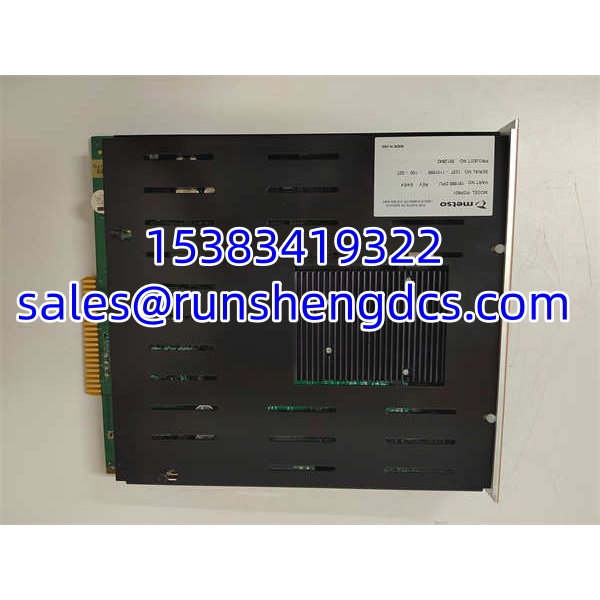
Metso PDP601
Application Scenarios
- Legacy MAX Controls Cabinet Repair: Replacing a failed distributed processing or I/O module when a process loop loses communication or I/O feedback.
- Paper, Chemical, Mining, or Power Plant Maintenance: Supporting older Metso automation hardware where OEM spares are scarce.
- Migration Holdover: Keeping a legacy system stable while planning a move to Valmet DNA or another modern DCS platform.
- Surplus Spare Pool: Stocking a tested PDP601 for plants that still depend on Metso/MAX Controls distributed hardware.
FAQ
It is best treated as a legacy Metso distributed processing/I/O module, not a standalone general-purpose PLC. Confirm its exact role from the host system documentation.
Does it support Profibus, Modbus TCP, or Ethernet?
Some third-party pages claim protocol support, but these details are not verified here. Do not assume communication capability without the OEM manual or nameplate confirmation.
Will this work with Valmet DNA or AC 800M?
Not as a direct drop-in. Valmet DNA and AC 800M use different I/O families. Compatibility must be confirmed from the host system documentation.
What specs must I confirm before ordering?
Confirm model , part number, revision, power rating, I/O configuration, communication interfaces, connector type, and host rack.
Is refurbished stock acceptable?
Yes, if the seller provides label photos, revision data, source-equipment information, and a functional test report. Untested surplus carries higher risk.
What if the module powers up but the system does not recognize it?
Check slot assignment, addressing, firmware/revision match, backplane compatibility, and the host system configuration.
Is this still available from Metso/Valmet?
It is commonly listed through surplus channels. Confirm current OEM availability and lifecycle status directly with Metso/Valmet or an authorized distributor.