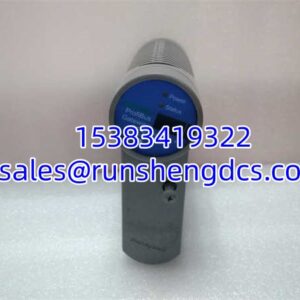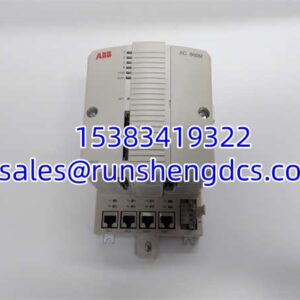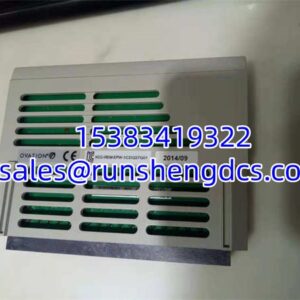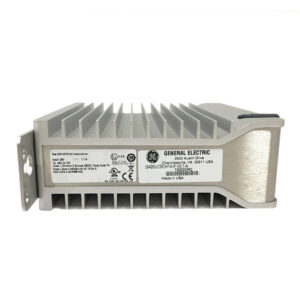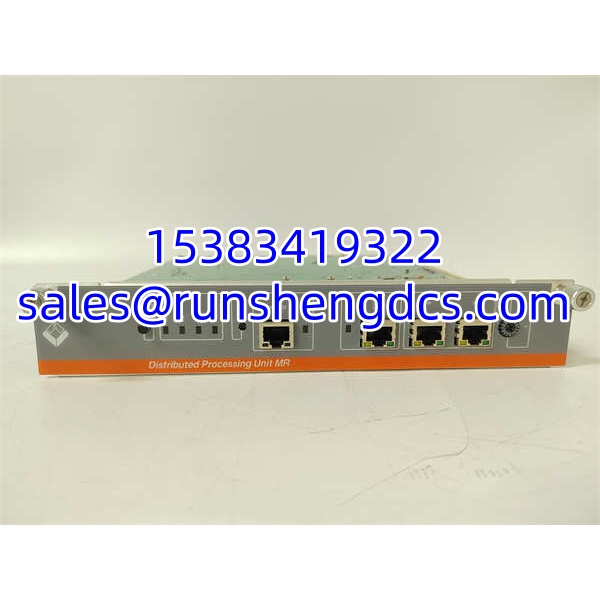

Description
Key Technical Specifications
| Parameter | Typical Value / Note |
|---|---|
| Manufacturer | METSO (Metso Automation / Metso Outotec) |
| Model | DPU-MR |
| Product Type | Digital Processing Unit / I/O Processor |
| Core Function | Real-time process data acquisition, monitoring, and control |
| Input Channels | Multi-channel; supports temperature, pressure, flow, current, etc. |
| Communication Interfaces | Ethernet, serial (RS-232/RS-485) |
| Programmability | Supports user-programmable control logic (IEC-style languages reported) |
| Data Logging | Built-in storage for process history and event records |
| Alarm Handling | Configurable alarm thresholds and event notifications |
| Integration | Compatible with third-party PLCs, DCS, and operator interfaces |
| Environmental Rating | Industrial-grade; specific temperature/humidity range not publicly confirmed — verify from nameplate |
| Certifications | Not publicly confirmed — verify TÜV/CE/UL markings on device |
| Status | Legacy/niche product; surplus and refurbished units are the primary supply channel |
Product Introduction
The METSO DPU-MR is a digital processing and I/O processor unit designed for industrial automation environments where real-time data acquisition, multi-channel monitoring, and local control logic matter. It sits between field instruments and higher-level control systems, collecting signals from sensors — temperature, pressure, flow, current — and making them available over Ethernet or serial links to a PLC, DCS, or HMI.
Unlike a standard PLC CPU, the DPU-MR is positioned as a specialized processing unit within Metso’s automation ecosystem, with particular relevance to mining, aggregates, cement, and other heavy-industry processes. It supports programmable logic, alarm management, and onboard data logging, making it suitable for standalone monitoring skids or as a subsystem processor feeding into a larger control architecture. Bottom line — because this is a niche product with sparse public documentation, always confirm the exact I/O configuration, firmware version, and communication protocol support from the physical unit before integration.
QA/QC Transparency SOP
- Intake & Origin Verification: Record model DPU-MR, serial number, hardware revision, and firmware version from the nameplate. Inspect for physical damage, connector corrosion, and signs of prior rework.
- Live Functional Testing: Power the unit from a verified supply. Confirm boot sequence, LED status indicators, and communication link establishment over Ethernet and/or serial.
- I/O Channel Verification: Apply known signals to available input channels. Verify accurate reading and scaling of temperature, pressure, or current inputs. Test output channels if applicable.
- Communication & Data Logging Test: Establish Ethernet/serial communication. Confirm data readback, alarm configuration access, and data logging functionality. Verify compatibility with the target control system protocol.
- Final QC & Packaging: Complete a full power-cycle test. Seal in ESD packaging with desiccant. Label with model, serial, firmware readout, I/O configuration, and test date.
Field Engineer Gotchas
- Sparse OEM Documentation: The DPU-MR is not as widely documented as mainstream PLC or DCS products. Public datasheets are limited, and specifications can vary by hardware revision. Always rely on the physical nameplate and any available OEM manual for the specific unit.
- Firmware/Protocol Mismatch: Communication over Ethernet or serial may require a specific firmware version or protocol configuration. A unit from a different installation may not speak the same protocol out of the box.
- I/O Configuration Variability: The “MR” suffix and multi-channel capability suggest configurable I/O, but the exact channel count and signal types (analog, digital, RTD, etc.) must be verified from the unit itself. Do not assume.
- Integration with Third-Party Systems: While the DPU-MR is reported to support integration with third-party PLCs and HMIs, the exact protocol (Modbus, OPC, proprietary) must be confirmed. Do not assume plug-and-play compatibility.
- Surplus Calibration and Configuration: Used units may retain previous site-specific configurations, alarm settings, and scaling parameters. A full factory reset and reconfiguration may be required before commissioning.
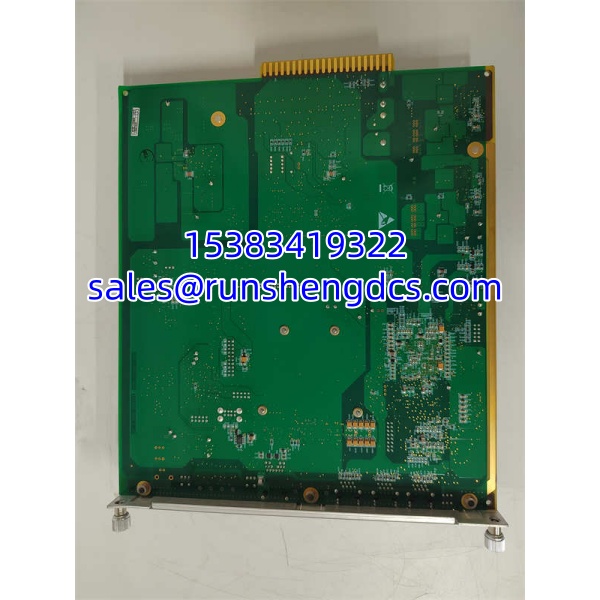
METSO DPU-MR
Application Scenarios
- Mining process monitoring: Tracking crusher load, conveyor speed, slurry density, and pump pressure in mineral processing plants.
- Aggregates production: Monitoring screen decks, feeder rates, and bin levels in crushing and screening operations.
- Cement plant subsystems: Local data acquisition for kiln feed, cooler fans, or mill instrumentation feeding into a plant-wide DCS.
- Standalone monitoring skids: Packaging the DPU-MR as a local processor on a pump skid or filtration unit, providing Ethernet data back to a central control room.
FAQ
1. What does the DPU-MR do?
It is a digital processing / I/O processor unit that acquires multi-channel process data, executes local control logic, handles alarms, and communicates over Ethernet or serial to higher-level systems.
2. What industries is it used in?
Mining, aggregates, cement, and other heavy industries where Metso automation equipment is deployed.
3. Can it replace a PLC?
It has programmable logic capability, but it is a specialized processor rather than a general-purpose PLC. Whether it can substitute depends on the application’s I/O count, logic complexity, and communication requirements.
4. What communication protocols does it support?
Ethernet and serial communication are confirmed. The specific protocol (Modbus, OPC, proprietary Metso) must be verified from the unit’s documentation.
5. Is it still available new?
The DPU-MR appears to be a legacy or niche product. Most available stock is surplus or refurbished. New units should be sourced through official Metso channels if still supported.
6. Can it integrate with non-Metso systems?
Yes, it is reported to support integration with third-party PLCs, DCS, and HMIs. However, the exact protocol and configuration effort must be confirmed case by case.
7. What should I verify before buying a surplus unit?
Confirm the hardware revision, firmware version, I/O configuration, communication protocol, and whether any site-specific licensing or configuration locks are present.