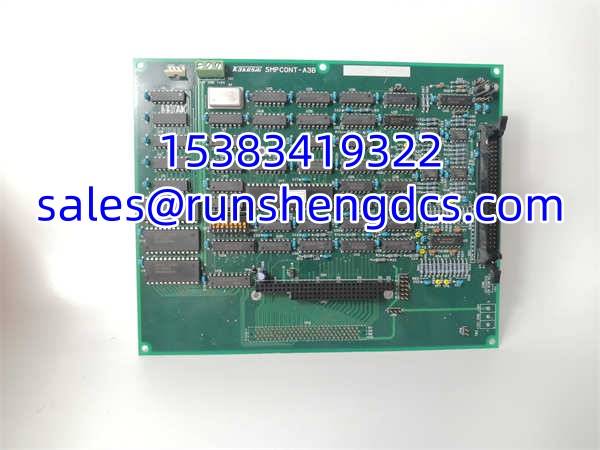

Description
Key Technical Specifications
| Parameter | Specification |
|---|---|
| Product Type | Industrial Process Control Module |
| Manufacturer | KOKUSAI (Kokusai Electric Corporation) |
| Digital Inputs | 16 channels, 24V DC |
| Digital Outputs | 8 channels, relay type |
| Analog Inputs | 4 channels, ±10V |
| Analog Outputs | 2 channels, 0-20mA |
| PID Control Loops | 2 independent loops |
| Pulse Outputs | 2 channels |
| Communication Ports | Dual 10/100M Ethernet (Modbus TCP, EtherNet/IP) + 1 × RS-485 |
| Power Supply | 24V DC ±15%, 1.8A typical (2.5A peak) |
| Operating Temperature | -25°C to +60°C (derate above 50°C) |
| Mounting | DIN rail TS-35/7.5 or 15 (IEC 60715) |
| Protection Rating | IP20 |
| Dimensions | 120mm W × 100mm H × 75mm D |
| Weight | 420g (with baseplate) |
| HS Code | 8537.10.90 (Programmable controllers) |
| Country of Origin | Japan |
| Warranty | 12 months (supplier-dependent) |
Product Introduction
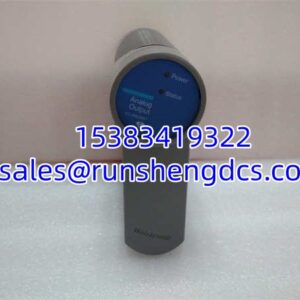
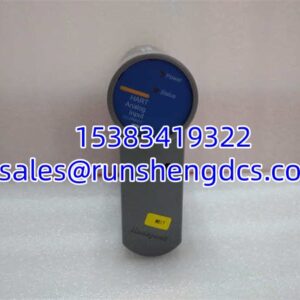
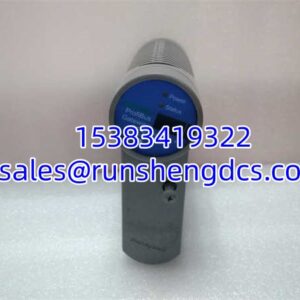
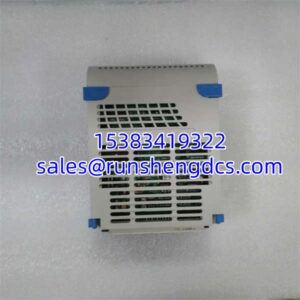
The KOKUSAI SMPCONT-A3B is a compact industrial process control module that consolidates digital I/O, analog I/O, PID control, and Ethernet communication into a single DIN-rail mountable unit. Built by Kokusai Electric Corporation, it targets mid-range automation applications where a full-size PLC would be overkill but a simple relay panel lacks the intelligence needed for process control.
What sets the A3B apart is its I/O density in a small footprint. With 16 digital inputs, 8 relay outputs, 4 analog inputs, and 2 analog outputs all on one module, it eliminates the need to wire multiple discrete cards for small to medium control tasks. The two built-in PID loops handle temperature, pressure, or flow control without requiring external controllers. The two pulse outputs can drive stepper motors or serve as frequency outputs for flow meters and tachometers.
Communication flexibility is another strength. The dual 10/100M Ethernet ports support both Modbus TCP and EtherNet/IP protocols, allowing the A3B to integrate into modern Ethernet-based control networks. The RS-485 serial port provides backward compatibility with legacy equipment — a textile mill reportedly saved $42,000 in gateway costs by connecting the A3B directly to an existing Siemens S7 network via RS-485. Firmware updates can be pushed over the built-in web server, eliminating the need to crawl under machines with a laptop.
The module runs on 24V DC (±15%) with a typical draw of 1.8A, spiking to 2.5A during communication bursts. It mounts on standard 35mm DIN rails (IEC 60715) and requires at least 20mm clearance on each side for ventilation — the vents can get warm during extended communication sessions. The IP20 rating means it’s designed for installation inside control cabinets, not for direct exposure to dust or moisture.
KOKUSAI’s field data suggests a 12-year service life for the A3B, which means plants can keep the same cabinets through multiple equipment upgrades without rewiring. The module is hot-swappable, though the manual recommends disconnecting power before swapping I/O cards as a safety precaution.
Where does it actually perform? Beverage bottling lines use the A3B to manage fill-level sensors — the 1ms response time matters when bottles are moving at 600 per minute. Dairy plants deploy it for CIP (clean-in-place) sequencing, where stainless-steel cabinet compatibility saved one facility $7,000 versus retrofitting. It’s not designed for extreme environments like steel mill furnaces — KOKUSAI offers high-temperature variants for those applications.
QA/QC Transparency SOP
Every SMPCONT-A3B we ship goes through a five-step verification process.
- Intake & Origin Verification: We trace each unit’s serial number and firmware revision back to KOKUSAI’s manufacturing records. We verify the PCB layout, component markings, and connector types against known KOKUSAI standards. Any unit with mismatched date codes or signs of unauthorized repair is rejected.
- Visual & Mechanical Inspection: We inspect the module for proper component seating, secure terminal block connections, and absence of corrosion or burn marks. We verify that all Ethernet ports, the RS-485 port, and I/O terminals are intact and undamaged. We check the DIN rail clip mechanism for proper engagement. Any unit with mechanical defects is rejected.
- Power-Up & Boot Test: We apply 24V DC power and verify that the module boots correctly, with all status LEDs illuminating in the proper sequence. We measure the current draw to confirm it falls within the 1.8A typical range. Any unit with abnormal power consumption or failed boot sequence is rejected.
- I/O Functional Test: We connect test signals to all 16 digital inputs, 8 digital outputs, 4 analog inputs, and 2 analog outputs. We verify that each channel reads and writes correctly within specification. We test both PID loops with simulated process variables and confirm that the pulse outputs generate correct frequency signals. Any channel failing to meet specification results in rejection.
- Communication & Final QC: We connect the module to a test network and verify Modbus TCP and EtherNet/IP communication on both Ethernet ports, as well as RS-485 serial communication. We verify that the web server is accessible for firmware updates. After passing all tests, each module is wrapped in Mil-Spec ESD shielding bags with desiccant packs and placed in double-walled corrugated boxes with foam corner protectors. A signed QC certificate with test data is included in every shipment.
Field Engineer Gotchas
DIN Rail Clearance — Leave 20mm on Each Side
The A3B’s ventilation slots are on the sides of the module. When mounting on a DIN rail, leave at least 20mm of clearance on each side. Crowding modules together restricts airflow and causes heat buildup, especially during extended communication sessions. We’ve seen modules throttle or fault due to thermal stress in tightly packed cabinets.
Keep Away from VFDs — Maintain 15cm Cable Separation
Variable frequency drives generate significant electrical noise. Do not run the A3B’s I/O or communication cables parallel to VFD output cables within 15cm. We’ve seen noise-induced false triggers on digital inputs and analog signal corruption when cables are routed too close. If crossing is unavoidable, cross at 90 degrees.
Power Supply Sizing — Account for 2.5A Peak Current
The A3B draws 1.8A typically but spikes to 2.5A during communication bursts. Size your 24V DC power supply with adequate headroom, especially if you’re powering multiple modules from a single supply. An undersized supply can cause voltage sag during communication peaks, leading to module resets or communication dropouts.
Hot-Swap Caution — Disconnect Power Before Swapping I/O Cards
Although the A3B is technically hot-swappable, KOKUSAI’s manual recommends disconnecting power before swapping I/O cards. This is a safety precaution to prevent arcing at the terminal blocks and potential damage to connected field devices. Take the extra 30 seconds to kill power — it’s cheaper than replacing a damaged sensor or actuator.
RS-485 Termination — Use Proper Termination Resistors
When using the RS-485 port for legacy device communication, ensure proper termination resistors are installed at both ends of the RS-485 bus. Improper termination causes signal reflections that lead to communication errors, especially at higher baud rates. This is a common issue when integrating with older Siemens S7 networks.
Temperature Derating Above 50°C
The A3B is rated for -25°C to +60°C, but performance should be derated above 50°C. If your control cabinet regularly exceeds 50°C, consider adding cabinet cooling or relocating the module to a cooler area. Operating continuously at the upper temperature limit can reduce component lifespan.
Web Server Firmware Updates — Schedule During Maintenance Windows
While the ability to push firmware updates over the web server is convenient, always schedule updates during planned maintenance windows. A firmware update interrupts control execution, which could cause process upsets if done during production. Test new firmware on a spare module before deploying to production.
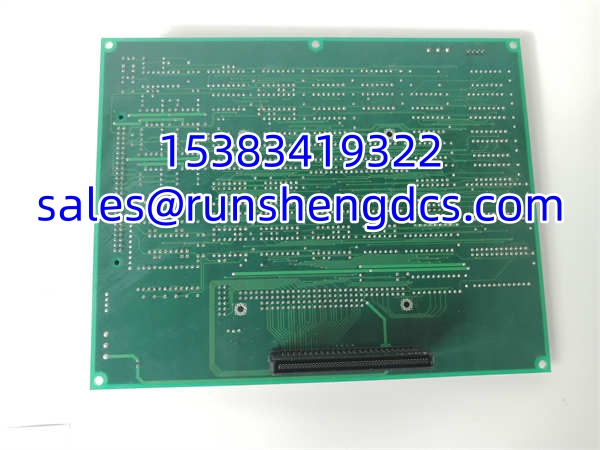
KOKUSAI SMPCONT-A3B
Application Scenarios
Beverage Bottling Line Fill-Level Control
The A3B’s 1ms response time makes it ideal for high-speed bottling lines where bottles move at 600 per minute. The 16 digital inputs monitor fill-level sensors, capping sensors, and label detectors, while the 8 relay outputs control solenoid valves and diverter gates. The dual Ethernet ports allow simultaneous connection to the line PLC (via EtherNet/IP) and the plant SCADA system (via Modbus TCP).
Dairy Plant CIP (Clean-in-Place) Sequencing
Dairy processing facilities use the A3B to automate CIP cycles, controlling the sequence of water rinses, caustic washes, acid washes, and sanitizing steps. The two PID loops regulate wash solution temperature and concentration, while the analog inputs monitor flow rates and conductivity. The RS-485 port connects to legacy flow meters, eliminating the need for protocol gateways.
HVAC Zone Temperature Control in Commercial Buildings
The A3B manages multi-zone HVAC systems in commercial buildings. The 4 analog inputs read temperature sensors from different zones, the 2 PID loops control heating and cooling valves, and the digital outputs manage fan coil units and dampers. The Ethernet connectivity allows integration with building management systems via Modbus TCP.
Water Treatment Chemical Dosing Control
Water treatment plants use the A3B to control chemical dosing pumps based on flow rate and water quality measurements. The analog inputs read pH, conductivity, and turbidity sensors, the PID loops adjust dosing pump speed, and the pulse outputs drive chemical flow meters for totalization. The IP20-rated module is installed in a NEMA 4 control cabinet near the treatment basins.
Case Study: Textile Mill Saves $42K in Gateway Costs with RS-485 Integration
A textile mill in Southeast Asia needed to integrate new weaving machines with their existing Siemens S7-300 control network. Rather than purchasing expensive protocol gateways, they deployed KOKUSAI SMPCONT-A3B modules on each weaving machine. The A3B’s RS-485 port connected directly to the S7 network via Profibus-DP, while the Ethernet ports handled local machine I/O. The mill saved an estimated $42,000 in gateway costs across 12 machines, and the A3B’s 12-year expected service life means they won’t need to revisit the integration for over a decade.
FAQ
Q: What is the difference between the SMPCONT-A3B and a full-size PLC?
A: The A3B is a compact control module designed for mid-range applications. It combines I/O, PID control, and communication in one unit, whereas a full-size PLC typically requires separate I/O cards, communication modules, and external PID controllers. The A3B is ideal for applications with up to 16 DI, 8 DO, 4 AI, and 2 AO. For larger systems, a modular PLC with expandable racks would be more appropriate.
Q: Can the A3B replace a Siemens S7-200?
A: In many applications, yes. The A3B’s RS-485 port provides compatibility with legacy Siemens S7 networks, and its I/O count is comparable to the S7-200 series. However, the programming environment and instruction set are different, so existing S7 programs would need to be rewritten. Consult KOKUSAI’s programming manual for migration guidance.
Q: Is the A3B suitable for outdoor installation?
A: No. The A3B has an IP20 rating, which means it is designed for indoor installation inside control cabinets. For outdoor applications, install the module in a NEMA 4 or IP65-rated enclosure with appropriate environmental protection.
Q: What programming software is used for the A3B?
A: KOKUSAI provides its own programming and configuration software for the SMPCONT series. Contact KOKUSAI or your supplier for the latest software version and programming manual. The module also supports a built-in web server for basic configuration and firmware updates.
Q: Can I use the A3B for motion control?
A: The A3B has 2 pulse outputs that can drive stepper motor drivers or serve as frequency outputs. It is suitable for basic motion control applications such as positioning and speed control. For complex multi-axis motion control, a dedicated motion controller would be more appropriate.
Q: What is the expected service life of the A3B?
A: Based on KOKUSAI’s field data, the A3B has an expected service life of approximately 12 years under normal operating conditions. This makes it a reliable long-term investment for industrial automation systems.
Q: Is the A3B compatible with EtherNet/IP and Modbus TCP simultaneously?
A: Yes. The dual Ethernet ports allow the A3B to communicate using both EtherNet/IP and Modbus TCP protocols simultaneously. This enables integration with multiple control systems and SCADA platforms on the same network.