
Description
Key Technical Specifications
- Product Model: FS7-2173-2RP
- Manufacturer: Honeywell Analytics
- Product Category: Multi-Spectral Electro-Optical Fire Detector
- Detection Technology: WideBand IR™, Near Band IR, and Visible Band
- Response Stages: Stage 1 Alert (3 kW) / Stage 2 Alarm (13 kW)
- Field of View (FOV): 120° Horizontal and Vertical
- Power Requirement: 24 VDC at 50 mA
- Communication Interface: RS-485 Digital Data / Discrete Relay Outputs
- Enclosure Rating: IP67 (Leak-proof, heat-sealed, acid-resistant polypropylene)
- Data Storage: Up to 6 FirePics™ and 200 events in non-volatile memory
- Self-Test Interval: Automatic internal self-test every 10 minutes
Product Introduction
Semiconductor wet benches are notorious for producing false alarms due to chemical vapors and background heat, making standard UV/IR detectors useless. The HONEYWELL FS7-2173-2RP solves this specific engineering headache. It is a unitized, multi-spectral electro-optical detector that uses digital signal processing to distinguish actual hydrocarbon and non-hydrocarbon fires (like IPA or polypropylene) from absorbing smoke, chemical vapors, or electric heaters. When a wet bench catches fire, this detector doesn’t just scream; it provides a staged response.
The HONEYWELL FS7-2173-2RP operates on a unique two-stage logic designed to prevent unnecessary facility shutdowns. Stage 1 triggers a 3 kW alert (equivalent to a 4-inch polypropylene pool fire) to allow time for the fire to self-extinguish. If the fire grows to a 13 kW threshold, Stage 2 activates the full alarm. Encased in an acid-resistant, leak-proof polypropylene housing with a 120° field of view, the HONEYWELL FS7-2173-2RP is practically bulletproof in corrosive cleanroom environments. Bottom line — it’s the exact sensor OEMs spec when they can’t afford false trips.
QA/QC Transparency SOP
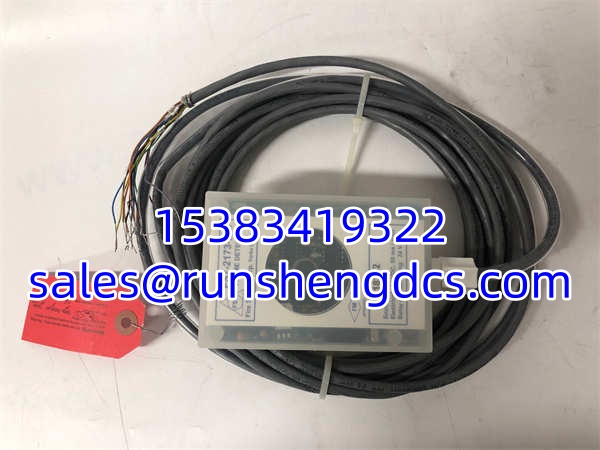
- Intake & Origin Verification: We inspect the HONEYWELL FS7-2173-2RP for physical integrity, paying special attention to the polypropylene housing seals and the 20-foot pigtail cable. Acid corrosion on the exterior is a red flag. We verify the serial number and revision suffix.
- Live Functional Testing: The unit is powered up at 24 VDC on a test bench. We verify the 10-minute self-test cycle completes successfully and check that the discrete relay outputs click and hold correctly during simulated fault conditions.
- Electrical Parameter Tests: Using a Fluke multimeter, we verify the 50 mA current draw and check the RS-485 communication lines for proper impedance. We ensure the non-volatile memory can successfully write and retrieve a test FirePic™ event.
- Firmware/Config Verification: We connect the unit to the Fire Sentry Windows-based PC software via the FS7 Interface Kit. We read the stored event log, verify the 13 kW alarm standard programming, and back up the configuration.
- Final QC & Anti-Static Packaging: Passed units are cleaned to remove any test residue. The HONEYWELL FS7-2173-2RP is sealed in anti-static shielding to protect the internal microprocessor and optical sensors during transit.
Field Engineer Gotchas
- Two-Stage Logic Confusion: The has two distinct relay outputs (Alert and Alarm). If you wire the Stage 1 Alert relay to your main fire suppression panel, a minor self-extinguishing spark will trigger a massive chemical dump. War Story: Saw a cleanroom flood its wet bench because a tech wired the Alert relay to the deluge system instead of a localized exhaust fan. Always verify which relay controls what.
- Pigtail Cable Routing: The 20-foot pigtail cable on the is shielded for RS-485 comms. If you run it parallel to high-voltage VFD lines for a wet bench pump, you’ll get communication faults. Keep the pigtail routed away from noisy power cables.
- Optical Window Maintenance: While the unit is IP67 and acid-resistant, chemical film buildup on the viewing window will blind it. During routine cleanroom maintenance, wipe the window with approved solvents. A dirty will fail its 10-minute self-test and trigger a fault.
- Power Supply Sag: The detector needs a clean 24 VDC at 50 mA. If your power supply is shared with heavy solenoid valves and sags during actuation, the will reboot and drop off the RS-485 bus. Dedicate a clean power supply for fire safety gear.
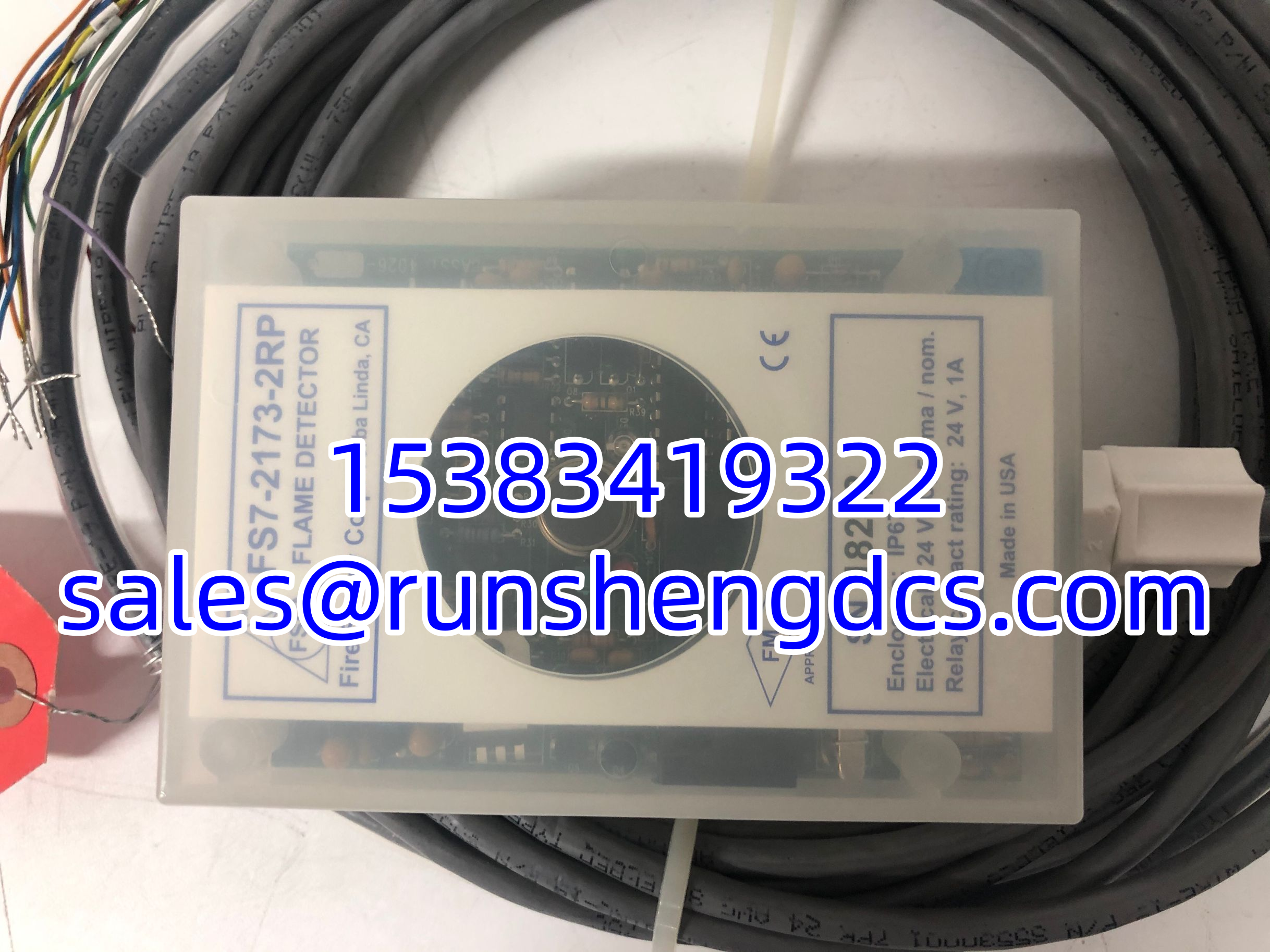
HONEYWELL FS7-2173-2RP
Application Scenarios
- Semiconductor Wet Benches: Highly corrosive environments using IPA and polypropylene. The provides leak-proof, acid-resistant monitoring with immunity to chemical vapor false alarms.
- Cleanroom Open Areas: Large open spaces where traditional point detectors fail. The 120° FOV of the allows a single unit to cover massive floor space without blind spots.
- Sub-Floor and Plenum Spaces: Hidden areas beneath wet benches where chemical leaks can pool and ignite. The compact, rugged design of the allows installation in tight, unventilated spaces.
FAQ
Yes. The “-2RP” suffix indicates a unitized model with discrete relay outputs. The can run completely stand-alone, interfacing directly with any approved fire alarm panel using just a 24 VDC power source.
What is the difference between Alert and Alarm on this unit?
Alert is a 3 kW threshold designed to catch small fires that might self-extinguish, triggering a pre-alarm. Alarm is a 13 kW threshold that triggers full suppression. The uses this two-stage logic to prevent unnecessary facility evacuations.
Is this detector affected by IPA or chemical vapors?
No. The uses digital signal processing to ignore absorbing smoke, gases, and chemical vapors. It is specifically designed for wet benches where IPA is present.
How do I retrieve the FirePic™ data?
You need the Fire Sentry FS7 Interface Kit and their Windows-based PC software. The stores up to 6 time-stamped FirePics™ locally, which is invaluable for post-incident root cause analysis.
Does the detector require field calibration?
No. The has no field calibration options. It performs an automatic self-test every 10 minutes to verify circuit and sensor integrity. If it fails, it must be replaced.
Can I use standard CAT5 cable for the RS-485 comms?
Yes, but use shielded twisted pair and ground the shield at the controller end only. The communicates via RS-485, and improper grounding will introduce noise into the FireBus data line.