
Description
Key Technical Specifications
- Manufacturer: Honeywell
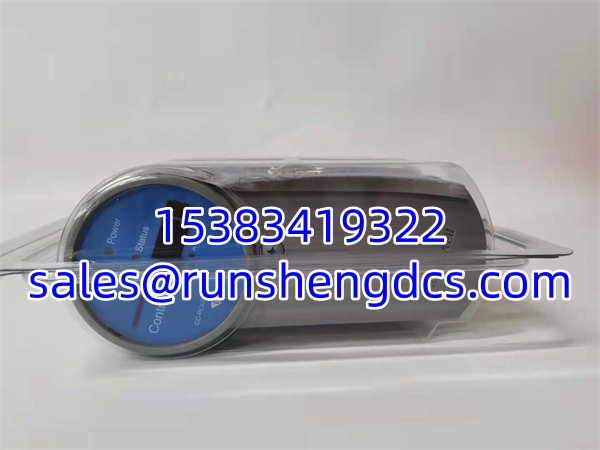
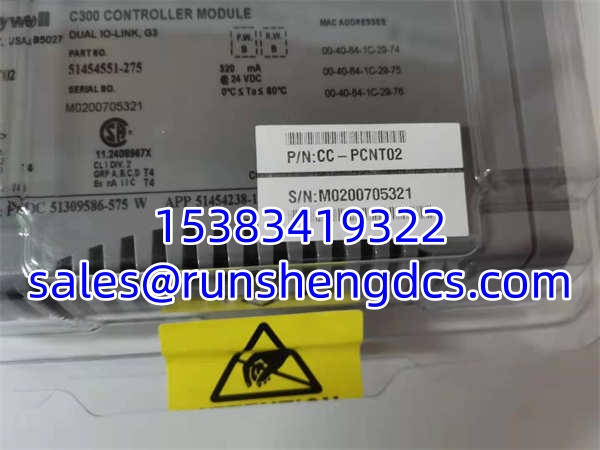
- Product Type: C300 Redundant Controller Module
- Safety Certification: IEC 61508 SIL3 / TUV AK6
- Memory: 64 MB RAM + 256 MB Flash
- Communication: Dual Gigabit Ethernet (ControlNet), RS-232/485
- Redundancy: 1:1 Hot-Standby, Switchover ≤50ms
- I/O Capacity: Supports up to 32 AI/AO & 128 DI/DO
- Power Input: 24 VDC (Redundant capable)
- Operating Temp: -20°C to +70°C
- Protection: IP30 (Module), IP54 (System Enclosure)
- Hot-Swap: Supported without process interruption
Product Introduction
When a distillation column pressure spikes, you don’t want your controller debating whether to trip. The Honeywell CC-PCNT02 is the brain of the C300 system, built to execute safety logic with deterministic timing that standard PLCs can’t match. It’s a direct upgrade from the older CC-PCNT01, adding expanded memory (64MB RAM) to handle more complex control strategies and larger tag counts without choking.
This module is the workhorse of Honeywell’s Experion PKS architecture, designed for 24/7 operation in environments where downtime equals disaster. With dual Gigabit Ethernet ports and sub-50ms redundancy switchover, it keeps the process running even if a primary CPU or network cable fails. Bottom line — it’s a proven SIL3 platform. Just verify your firmware version matches your existing rack; mixing revisions in a redundant pair is a fast track to a system fault.
QA/QC Transparency SOP
- Intake & Origin Verification: We trace the lot history and inspect the PCB for capacitor leakage or corrosion, especially around the power regulation section. We verify the M0200705321 suffix matches the physical label to ensure it’s the correct memory revision.
- Live Functional Testing: The CC-PCNT02 is seated in a verified C300 test rack. We apply 24VDC and verify the module boots, synchronizes with the redundant partner (if present), and passes internal POST diagnostics without errors.
- Electrical Parameter Tests: Using a Fluke 87V, we measure the 5V and 3.3V internal rails under load to ensure they stay within ±5% tolerance. We also verify the Ethernet port link lights and check for proper termination resistance.
- Firmware/Config Verification: We connect via Experion PKS to read the module’s firmware revision and hardware ID. We verify it matches the expected configuration and can successfully download a test logic block without timeout errors.
- Final QC & Anti-Static Packaging: The module is cleaned, terminal covers are inspected, and it is sealed in ESD-safe shielding with a test certificate listing the actual firmware version and measured rail voltages.
Field Engineer Gotchas
- Firmware Revision Mismatch: You cannot mix different firmware revisions in a redundant pair. If your primary is R520.2 and the spare is R510, the system will flag a “Configuration Mismatch” and refuse to synchronize. Always check the revision label and the software tag before installing.
- Memory Upgrade Confusion: The CC-PCNT02 (64MB) is not always a direct drop-in for older PCNT01 (16MB) systems without a firmware upgrade. Some legacy configurations may require a controller reformat. Verify with Honeywell documentation before swapping.
- Battery-Backed RAM: The CC-PCNT02 uses a battery to retain RAM during power loss. If the battery is dead, the module will boot but may lose its configuration or require a full reload. Always test the battery voltage (typically 3.0V+) during installation.
- Grounding & Noise: C300 controllers are sensitive to ground loops. If you see intermittent communication errors or “Bus Fault” alarms, check your shield grounding. The CC-PCNT02 should be grounded at the rack, not at the field device.
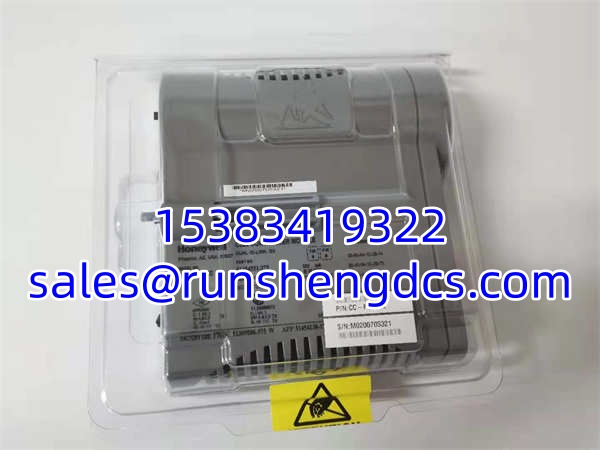
HONEYWELL CC-PCNT02 M0200705321
Application Scenarios
- Refinery ESD Systems: High-integrity pressure and temperature monitoring for reactor protection. The CC-PCNT02 executes 2oo3 voting logic with deterministic scan times, ensuring trips occur within milliseconds of a hazardous condition.
- LNG Liquefaction Control: Complex cascade control for cryogenic heat exchangers. The expanded 64MB RAM handles the dense PID loops and advanced regulatory control required to maintain product purity during feed gas fluctuations.
- Power Plant Boiler Protection: Steam drum level and flame supervision. The dual Gigabit Ethernet ensures seamless data flow to the operator station, while the SIL3-rated CPU guarantees safe shutdown if water levels drop dangerously low.
Real-World Case Study: A chemical plant upgraded their C300 system from PCNT01 to CC- to handle increased I/O density. During commissioning, the redundant pair failed to synchronize, throwing “Version Mismatch” errors. The root cause was a leftover R510 firmware on the backup module from a previous failed upgrade. Flashing both modules to R520.2 and reloading the configuration resolved the issue. Lesson: Never assume “new surplus” means “current firmware.”
FAQ
Yes. The C300 architecture supports hot-swapping. The redundant CPU takes over seamlessly (≤50ms), and you can pull the failed module while the system remains online. Just ensure the replacement is the exact same firmware revision.
Is this compatible with older CC-PCNT01 racks?
Generally yes, but verify your backplane and power supply. The CC- is a direct mechanical replacement, but you may need to upgrade the rack firmware or power supply if you’re moving from a very old PCNT01 system. Check the Honeywell upgrade guide.
What happens if the battery dies?
The module will retain its configuration for a short time, but eventually, it will lose RAM. On next power-up, it may require a configuration reload from the controller memory card or network. Replace the battery proactively every 3-4 years.
Can I use this for non-safety control?
Yes, but it’s overkill. The CC- is SIL3-rated, so it’s perfect for safety, but it can also run standard process control. Just ensure your licensing and configuration match the application.
How do I check the firmware version?
Connect via Experion PKS, go to the Controller Properties, and check the “Firmware Revision” field. You can also read it from the module’s front panel LED sequence during boot (consult the manual for blink codes).
Why is my redundant pair not synchronizing?
Most common causes: firmware mismatch, configuration mismatch, or a bad backplane connection. Check the “Redundancy Status” in the diagnostics. If it says “Desynchronized,” review the event log for the specific fault code.
Is this module still manufactured?
No. The CC- is discontinued. New surplus and professionally refurbished units are available, but inventory is finite. Secure your spares now if you’re running a system.