
Description
Key Technical Specifications
| Parameter | Detail |
|---|---|
| Product Family | Honeywell TDC 3000 / TPS / TPN DCS system |
| Order Code | 51403519-160 K4LCN-16 |
| Board Type | K4LCN LCN interface board |
| Network | Local Control Network (LCN) / TPS Process Network |
| Typical Installation | HPM cabinet, HM node, or other TPS/TPN LCN nodes |
| System Role | LCN communication interface for TPS nodes |
| Compatible Systems | TPS, TPN, TDC 3000-era LCN architectures |
| Mounting | Internal board within Honeywell TPS/TPN node chassis |
| Status | Verify as new, surplus, or refurbished before installation |
Product Introduction
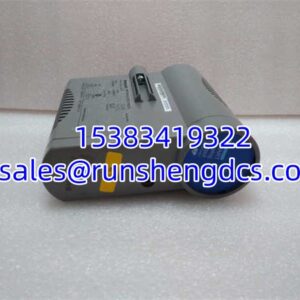
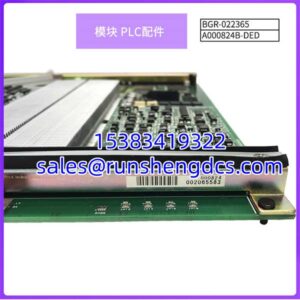
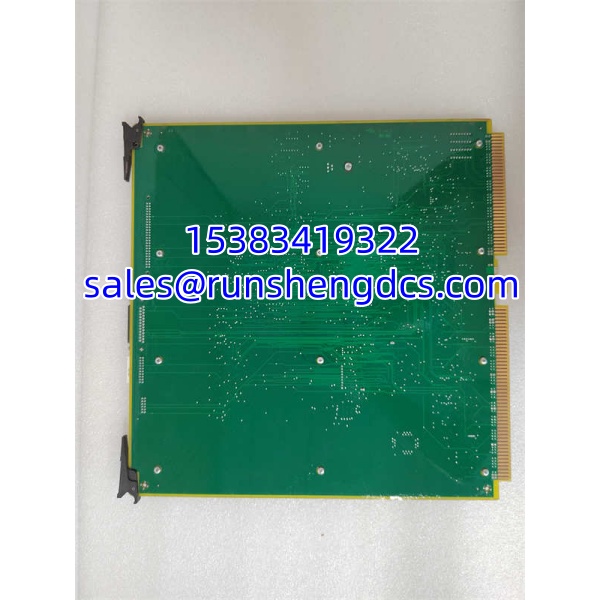
The Honeywell 51403519-160 K4LCN-16 is an LCN interface board used in Honeywell TPS and TPN distributed control systems. The K4LCN board appears in HPM cabinets and History Module nodes, where it provides the Local Control Network interface that allows the node to communicate on the TPS backbone.
This is not a field I/O module. It does not connect directly to sensors, valves, or transmitters. Instead, it serves as the node-level communication interface between the internal processor hardware and the LCN/TPN network. In TPS systems, the LCN carries operator station traffic, historical data, application modules, and gateway communication to the UCN control network.
The “-16” suffix indicates a specific hardware revision or configuration. Because this is a legacy DCS component, exact firmware dependencies, LED indicators, and compatible node types should be verified from the physical board label and system documentation.
QA/QC Transparency SOP
- Intake & Origin Verification: Record full part number 51403519-160 K4LCN-16, revision, serial number, and original node type. Confirm it was removed from a compatible TPS/TPN HPM or HM node.
- Visual Inspection: Check board labeling, edge connector pins, coax/LCN interface connectors, and any signs of corrosion, burnt components, or mechanical damage.
- Electrical Tests: Verify backplane connector integrity, insulation resistance, and absence of short circuits on power and signal lines.
- Live Node Test: Install into a compatible TPS/TPN node. Power up the node and verify LCN communication, node recognition, and absence of LCN fault alarms.
- Final QC & Packaging: Label part number, revision, tested node type, and test results. Pack in anti-static materials with a test summary.
Field Engineer Gotchas
- Not a field I/O card: Despite some surplus listings calling it an input/output module, this is an internal LCN interface board, not a field I/O module.
- Node-specific compatibility: K4LCN boards are used inside specific TPS nodes such as HPM and HM. Do not assume cross-compatibility with unrelated LCN cards.
- Inherited node settings: Surplus boards may come from nodes with configured addresses or firmware versions. Verify compatibility before installing into a live TPS system.
- LCN termination and cabling: LCN communication faults are often caused by bad coax terminators, damaged TAP boxes, or grounding issues rather than the board itself.
- Legacy platform risk: TPS/TPN is a legacy Honeywell DCS. Replacement parts are increasingly sourced from surplus channels, and OEM support may be limited.
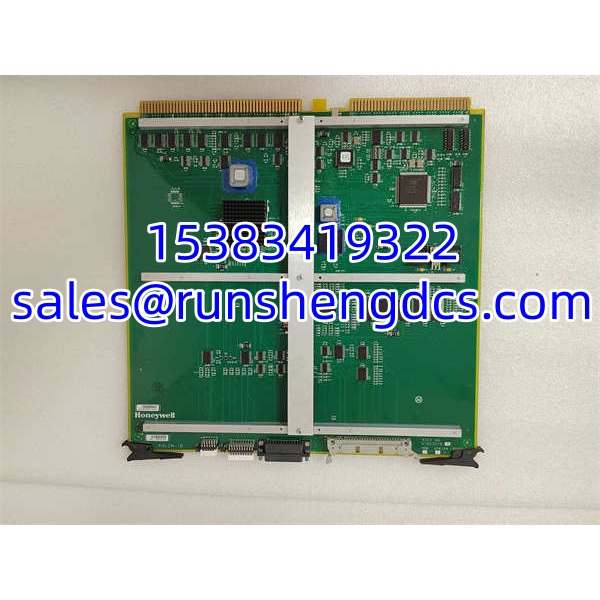
Honeywell 51403519-160 K4LCN-16
Application Scenarios
- TPS HPM cabinet repair: Replacing a failed board inside an HPM node that has lost LCN communication.
- History Module maintenance: Restoring LCN connectivity for a TPS History Module that cannot register on the LCN.
- Legacy system troubleshooting: Swapping a suspect board to isolate whether an LCN communication fault is board-related or network-related.
- Spare parts inventory: Keeping a verified -16 board as a cold spare for plants still running TPS/TPN infrastructure.
Case note: A TPS system showed an HPM node dropping off the LCN intermittently. The initial suspicion was a failed board, but further investigation revealed a damaged LCN coax terminator at the TAP box. After replacing the terminator and reseating the board, the node stabilized. Always verify LCN cabling and termination before replacing internal node boards.
FAQ
- What is 51403519-160 -16?
It is a Honeywell LCN interface board used inside TPS/TPN nodes such as HPM cabinets and History Modules. - Is this a field I/O module?
No. It is an internal LCN communication board, not a field I/O card. - What systems is it compatible with?
It is used in Honeywell TPS, TPN, and TDC 3000-era LCN architectures. - Can it be used in Experion PKS?
No. Experion PKS uses different hardware platforms. This is a legacy TPS/TPN component. - What does the “-16” suffix mean?
It indicates a specific hardware revision or configuration. Verify compatibility with your existing node before installation. - Is this unit new or surplus?
Treat it as surplus/refurbished unless OEM documentation proves otherwise. Verify board condition, revision, and node compatibility before commissioning. - What should I check before installing?
Verify the original node type, board revision, LCN cabling, coax termination, and that the node firmware supports this variant.