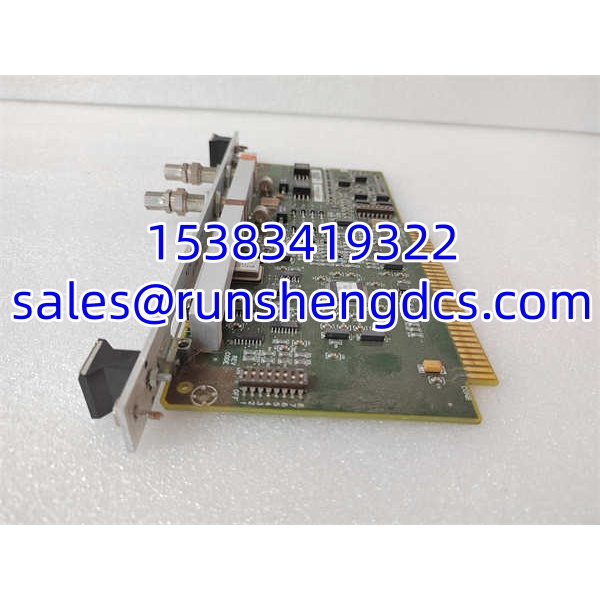

Description
Key Technical Specifications
| Parameter | Typical Value / Note |
|---|---|
| Brand | Honeywell |
| Part Number | 51305896-200 |
| Description | NIM Modem Board / NIM Modem PWA |
| System Platform | Honeywell TDC 3000 Distributed Control System |
| Associated Hardware | TDC 3000 Network Interface Module (NIM) |
| Primary Function | Modem interface for NIM communication links |
| Communication Type | Serial/remote modem interface; exact protocol depends on NIM configuration |
| Installation | Plug-in PWA inside the associated NIM or communication assembly |
| Power Supply | Supplied from the host NIM/chassis; verify voltage on the installed board |
| Configuration | System-dependent; settings are tied to the NIM application and modem type |
| Replacement Notes | Match part number, revision, modem type, and cabling before swapping |
| Availability | Commonly supplied as surplus or refurbished; verify condition with vendor |
Product Introduction
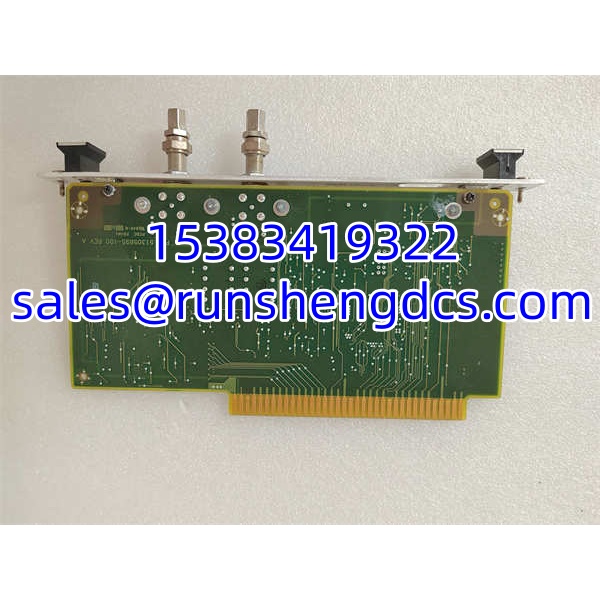
In a TDC 3000 environment, a failed modem board does not always announce itself with a clean “bad card” fault. More often, it shows up as intermittent NIM communication loss, remote link timeouts, or diagnostic flags that look like a network problem when the real issue is a failed modem PWA. The 51305896-200 is the Honeywell NIM modem board used to support modem-based communication interfaces within the TDC 3000 architecture.
This is not a general-purpose Ethernet card. It belongs to the TDC 3000 NIM communication hardware family and serves as the modem interface that allows the NIM to exchange data over serial or remote links. The value is straightforward: if the failed board is labeled 51305896-200, a verified replacement restores the original communication path without changing the NIM application. Just confirm the modem type, cabling, and revision before putting it into service.
QA/QC Transparency SOP
- Intake & Origin Verification — Record 51305896-200, any revision codes, serial numbers, and the host NIM model. Inspect the PWA for burnt components, corroded connectors, bent pins, and modem module integrity.
- Live Functional Testing — Install the board in a compatible TDC 3000 NIM test setup. Verify power-up status, diagnostic LEDs, modem initialization, and communication response where a safe test configuration is available.
- Electrical Parameter Tests — Measure board supply rails, signal lines, and modem interface circuits. Check for shorts, ground faults, and abnormal current draw before connecting to a live NIM chassis.
- Firmware/Config Verification — Confirm modem type, baud rate, jumper settings, and any stored configuration. Back up NIM settings and document the installed modem parameters before shipment.
- Final QC & Anti-Static Packaging — Label with part number, revision, serial, test date, and modem type if known. Pack in an ESD bag with anti-static foam and a rigid outer box.
Field Engineer Gotchas
- Wrong revision or modem type: 51305896-200 may have sub-revisions or different modem implementations. A board that fits mechanically can still fail to initialize if the modem type or firmware does not match the NIM application.
- Cabling and pinout errors: NIM modem boards often depend on specific serial cables, DB connectors, or terminal blocks. Swapping cables from another slot can produce communication loss that looks like a bad board.
- NIM application mismatch: The NIM must be configured for the correct modem interface. Replacing the PWA without confirming the NIM application can leave the link dead even though the board powers up.
- Power and ESD risk: Treat this as a sensitive PWA. Do not force it into the slot, and avoid handling exposed connectors without ESD protection. A bent pin or static hit can create intermittent faults.
- Assuming it is a power supply: Some surplus listings describe this module loosely as a “power module,” but its primary identity is a NIM modem board/PWA. Do not use that description to justify installing it in an unrelated power slot.
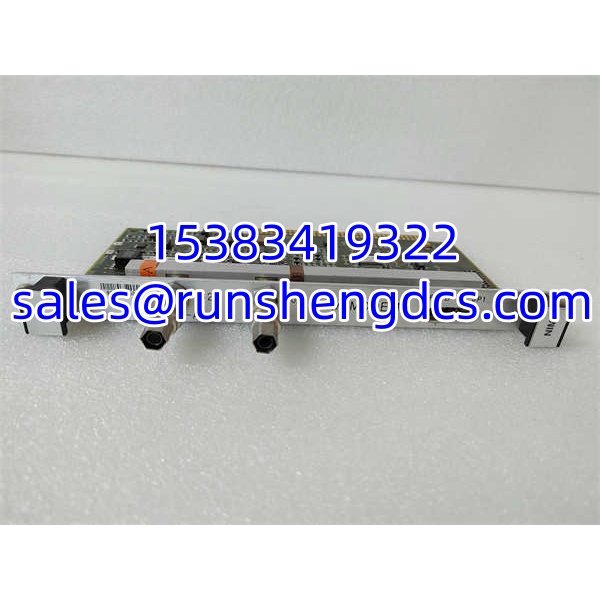
HONEYWELL 51305896-200 NIM MODEM
Application Scenarios
- TDC 3000 NIM remote link restoration: Replaces a failed modem PWA when a TDC 3000 NIM loses communication over a serial or remote modem link.
- Legacy plant communication maintenance: Keeps older TDC 3000 installations running where modem-based interfaces are still part of the architecture.
- NIM diagnostics and troubleshooting: Used when NIM diagnostics point to a modem interface fault rather than a network cable or host system issue.
- Spare pool rebuild for legacy DCS: Suitable for plants maintaining TDC 3000 spares where OEM new stock is no longer readily available.
FAQ
Is 51305896-200 a power supply?
No. Its primary role is a NIM modem board/PWA for TDC 3000 communication. Some surplus listings call it a power module, but that description is not reliable for installation decisions.
Which system does this belong to?
It is associated with the Honeywell TDC 3000 Distributed Control System and its Network Interface Module hardware.
Can I use any 51305896 board as a replacement?
No. The suffix and revision matter. A 51305896-100 or other variant may have different circuitry, modem type, or firmware. Match 51305896-200 exactly.
Does this support Ethernet?
Not necessarily. This is a modem interface board, and its communication behavior depends on the NIM application and modem type. Do not assume Ethernet capability.
Can I install this without checking the NIM configuration?
No. The NIM application, modem type, baud rate, and cabling must match. Otherwise the board may power up but fail to communicate.
Is this part still in production?
TDC 3000 components of this generation are commonly supplied as surplus, refurbished, or tested used. Confirm condition and revision with the vendor.