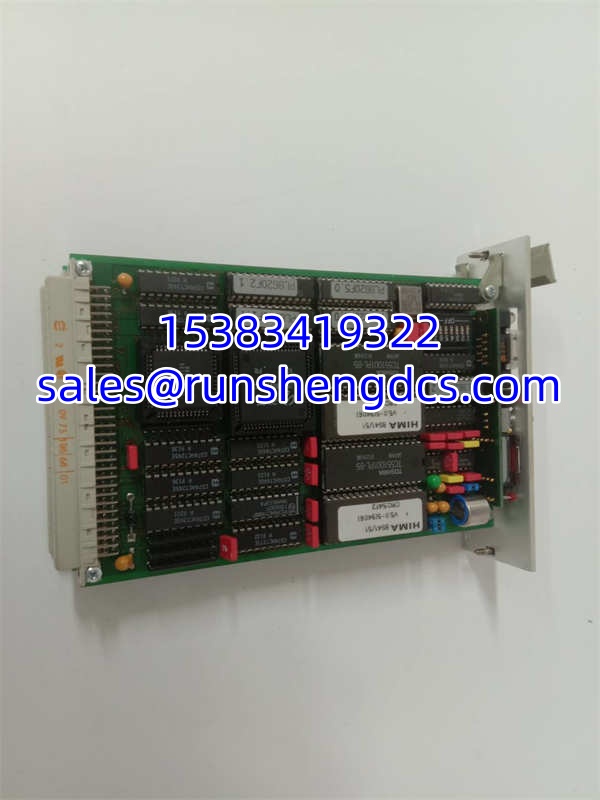
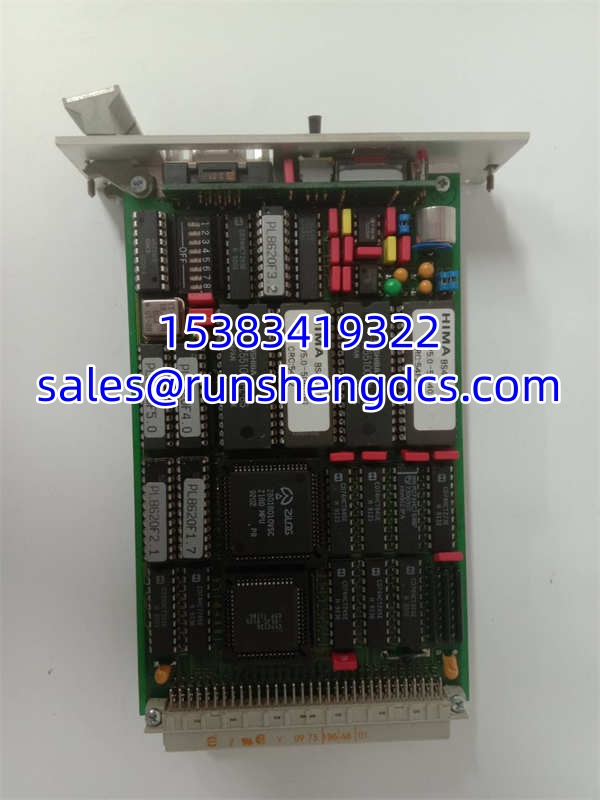

Description
Key Technical Specifications
- CPU Architecture: Quad Modular Redundancy (QMR) / 2oo4D
- Processor Count: 4 Microprocessors (2 per CPU card)
- Safety Integrity Level: SIL3 (IEC 61508) / AK6 (TUV)
- System Type: Programmable Electronic Safety System (PES)
- Redundancy: Full Self-Diagnostic, Fault-Tolerant
- Voting Logic: 2oo4D (2 out of 4 with Diagnostics)
- Installation: Control Room / Rack Mount
- Diagnostics: Continuous Self-Testing, LED Status Indicators
- Application Domain: Marine, Offshore, Oil & Gas, Power Gen
- Certification: TUV Certified, IEC 61508 Compliant
Product Introduction
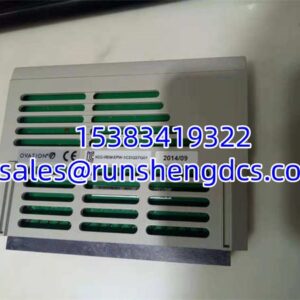
You don’t install this board to save money on hardware. You install the HIMA F862011 because a single point of failure could cost lives or shut down a platform. This is the brain of the H51q system, using a Quad Modular Redundancy (QMR) architecture where four microprocessors run in parallel. If one chip fails, the other three vote it out instantly. No downtime. No debate. Just pure, deterministic safety logic.
Why keep this legacy silicon running? Because replacing a certified safety system takes years and millions in re-engineering. The F862011 delivers 2oo4D fault tolerance with continuous self-diagnostics that catch errors before they propagate. It’s been protecting offshore rigs and refineries since the late 90s. When your process demands SIL3 compliance and zero tolerance for spurious trips, this board’s track record matters more than its age.
Troubleshooting Quick Reference
- Fault: Module shows “MONO” on diagnostic display | Cause: One CPU card failed, system running in degraded mode | Relevancy: 90% chance | Quick Check: Check LED status on both CPU cards | Fix: Replace faulty CPU card immediately; system is no longer fully redundant
- Fault: Error Code 149 “Start-up after self-education” | Cause: Power cycle or module replacement | Relevancy: 70% chance | Quick Check: Verify system is in RUN mode, not STOP | Fix: Allow self-learning cycle to complete; do not interrupt power
- Fault: Error Code 164 “Flash memory not loaded” | Cause: Corrupted application or failed load | Relevancy: 60% chance | Quick Check: Check programming tool connection | Fix: Reload application from backup; verify checksum
- Fault: System trips unexpectedly | Cause: 2+ CPU failures or external field fault | Relevancy: 50% chance | Quick Check: Review diagnostic buffer and field wiring | Fix: Check sensor/actuator circuits; if CPUs healthy, investigate process cause
Application Scenarios & Pain Points
- Offshore Oil Platforms: Salt spray, vibration, and 24/7 operation. The QMR architecture ensures a single board failure doesn’t trigger an emergency shutdown (ESD) that costs $1M/day in lost production.
- Marine Propulsion Control: Engine room environments with extreme electrical noise. The F862011’s self-diagnostics filter out EMI-induced false positives that would plague simpler 1oo2D systems.
- Chemical Reactor Safety: Exothermic processes where a spurious trip causes dangerous pressure buildup. 2oo4D voting allows continued operation during single-channel maintenance without compromising safety integrity.
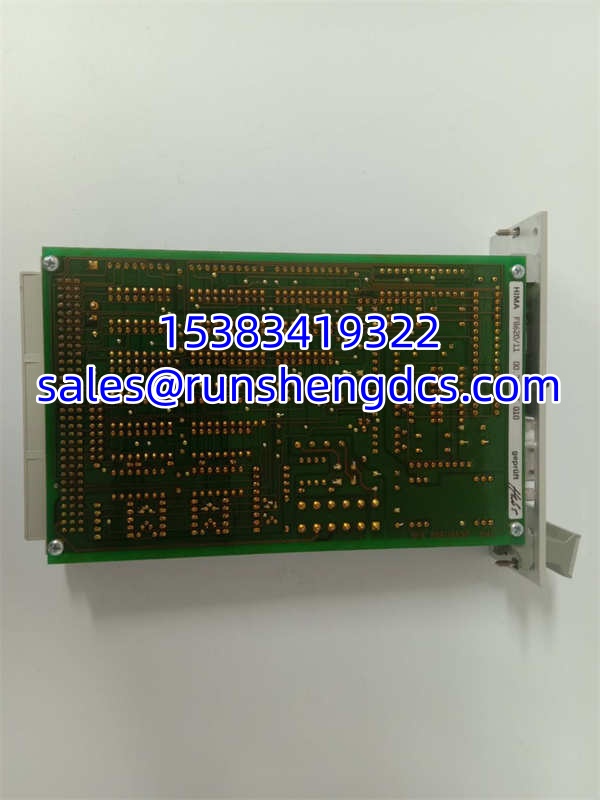
HIMA F862011
Compatible Replacement Models
- ✅ Drop-in Replacement: F862011 (Exact match. Verify revision suffix—HIMA revisions are NOT always backward compatible). Cost: 2,500-4,500 for refurbished; $6,000+ for new surplus. Lead time varies wildly.
- ⚠️ Software Compatible: F862012 / F862013 (Later revisions). Same H51q platform, same programming tool. Warning: May require firmware update and re-validation per TUV requirements. Labor: 8-16 hours for engineering + FAT/SAT testing.
- ❌ Hardware Incompatible: HIMA Planar4 / HIMax systems. Completely different architecture, programming environment, and certification basis. Migration is a full system replacement project, not a swap. Do NOT attempt to mix H51q and Planar4 modules in the same rack.