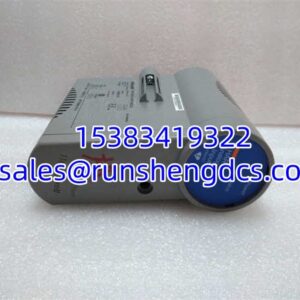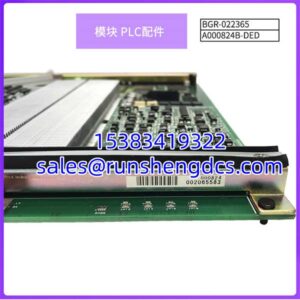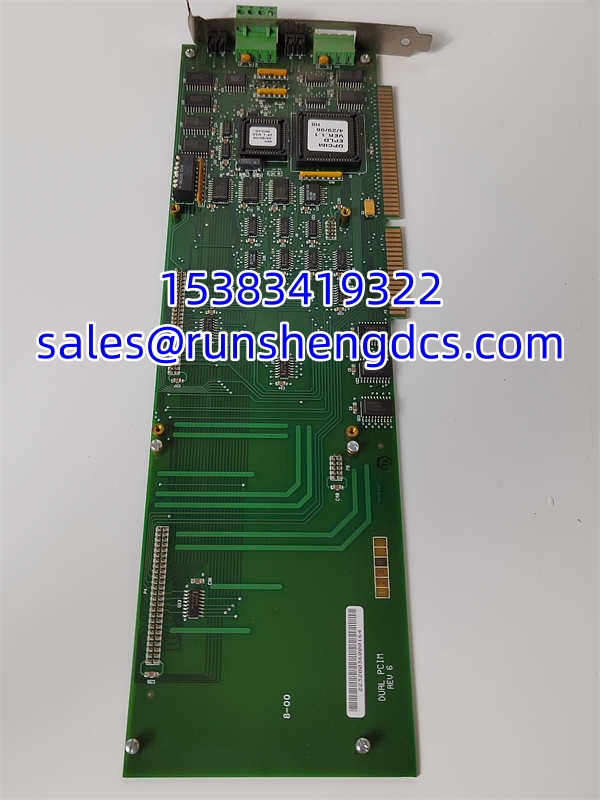

Description
Key Technical Specifications
- Slot Type: Single-slot “AT” style board (ISA compatible)
- Logic Power: 5 VDC, 400 mA max (±10% tolerance)
- Memory Requirements: 4 bytes (host), 16 KB (sub-board)
- Supported Sub-board: IC660ELB912
- Bus Load: 1 LS TTL load per input, 10 LS TTL loads per output
- Operating Temp: 0°C to 60°C (32°F to 140°F)
- Storage Temp: -40°C to +70°C (-40°F to 158°F)
- Relative Humidity: 5% to 95% (non-condensing)
- Operating Altitude: Up to 40,000 feet
- Vibration/Shock: 0.2 inch displacement, 5 G for 10 ms
- Status: Legacy / Discontinued (Verify with OEM datasheet before installation)
Product Introduction
Integrating 90s-era IBM PC/AT hardware with modern industrial networks usually ends in tears, ground loops, or fried backplanes. This PCIM was built to solve that exact headache, acting as a buffered bridge between the host’s ISA bus and the noisy Genius serial LAN.
It manages the low-level protocol timing and error handling for up to 30 bus devices, freeing the host CPU from bit-banging serial data. The M suffix denotes a specific hardware revision, so treat it as a matched set with its sub-board. Bottom line — it’s a reliable drop-in for legacy Genius systems, but don’t expect plug-and-play without verifying your ISA slot voltage and memory mapping first.
QA/QC Transparency SOP
- Intake & Origin Verification: We trace the IC660ELB921M serial number against GE Fanuc manufacturing records to confirm it’s not a frankenstein board cobbled together from two dead units.
- Live Functional Testing: Module is seated in an ISA test rig with a Genius bus simulator; we verify data exchange and check both “Sub-board OK” and “Comm OK” LEDs under load.
- Electrical Parameter Tests: 5VDC rail checked with a Fluke 87V for ripple; continuity test on ISA edge connector pins to ensure no cold solder joints from previous field use.
- Firmware/Config Verification: Readout via PCIM configuration software to confirm firmware rev matches the customer’s existing Genius bus controller version to prevent handshake failures.
- Final QC & Anti-Static Packaging: Visual inspection for capacitor bulge or trace corrosion; sealed in ESD-safe bag with desiccant, labeled with test date, firmware rev, and pass/fail signature.
Field Engineer Gotchas
- Firmware Rev Mismatch: Genius protocol is picky about timing. If this PCIM is rev M and your bus controller is rev L, expect intermittent comm timeouts. Fix: Match the exact rev. I’ve seen junior engineers spend 6 hours chasing “ghost” network faults that were just version skew.
- ISA Slot Voltage: Not all ISA slots are created equal. Some 486-era boards output 5.2V; others droop to 4.7V under load. Fix: Measure the slot voltage before racking. Anything outside 4.5-5.5V will cause erratic behavior or permanent damage.
- Sub-board Seating: The IC660ELB912 sub-board connector is fragile. Fix: Never force it. Align the guide pins perfectly. I’ve seen sub-board pins bent because someone was rushing during a midnight outage.
- ESD Sensitivity: The ISA edge connector and Genius serial port are unshielded. Fix: Wear a grounded wrist strap. Static discharge during handling can kill the serial ASIC silently; it’ll pass power-on self-test but drop packets under load.
- Cooling Clearance: This module runs hot. Fix: Leave at least 1/8 inch (3mm) between adjacent cards. I’ve seen PCIMs overheat and fail because someone crammed them into a fully populated backplane with zero airflow.
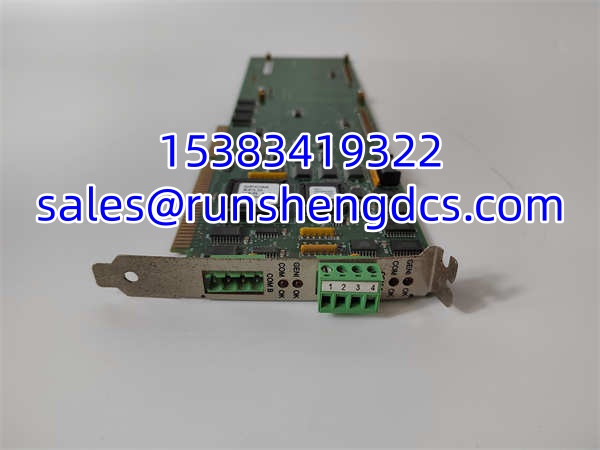
GE IC660ELB921M
Application Scenarios
- Legacy Manufacturing Lines: Automotive or steel mills running 90s-era GE Fanuc PLCs; this module is often the only drop-in replacement for a failed PCIM.
- Water Treatment SCADA: IBM PC/AT-based HMI stations needing Genius bus access; the PCIM handles protocol conversion so the host can focus on display logic.
- Oil & Gas Wellhead Monitoring: Distributed Genius I/O nodes in remote locations; the PCIM bridges field data to a central logging PC.
FAQ
- Is the IC660ELB921M still manufactured? No. GE discontinued the Genius PCIM line years ago. What you’re buying is new surplus or refurbished. Plan your migration strategy accordingly.
- Can I hot-swap this PCIM? Absolutely not. ISA cards are not hot-swappable. Rack it with power off or risk frying the backplane and the host motherboard.
- Will it work with my existing Genius I/O modules? Yes, if they’re Genius protocol-compatible and the firmware rev matches. Check the I/O module’s front-panel rev code against the PCIM’s. Mismatched revs = silent failures.
- What’s the max Genius bus length? 4,000 feet (1,200m) at 153.6K baud, but keep it under 1,000m if you’re running near VFDs. Use proper shielded twisted pair and ground at one end only.
- Does it support modern protocols like Modbus TCP? No. This is a proprietary Genius PCIM. You’ll need a protocol gateway (e.g., ProSoft or Moxa) to talk to modern SCADA.
- How do I know if the sub-board is good? Check the “Sub-board OK” LED. If it’s off or blinking, the sub-board is faulty or not seated properly. Reseat it first; if it still fails, replace the sub-board.
- What’s the typical MTBF? GE doesn’t publish it for this vintage. Field experience suggests 15-20 years in climate-controlled rooms. If yours is 20+ years old, treat every failure as a potential end-of-life event.