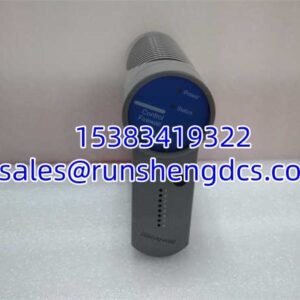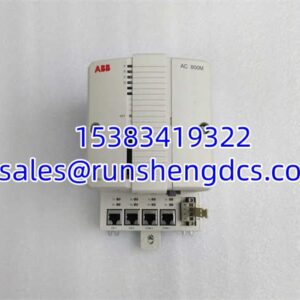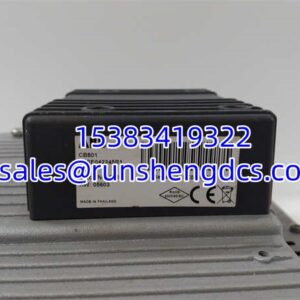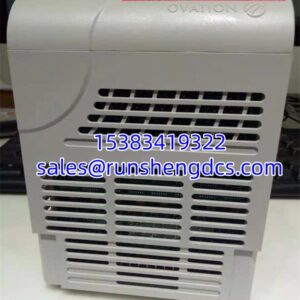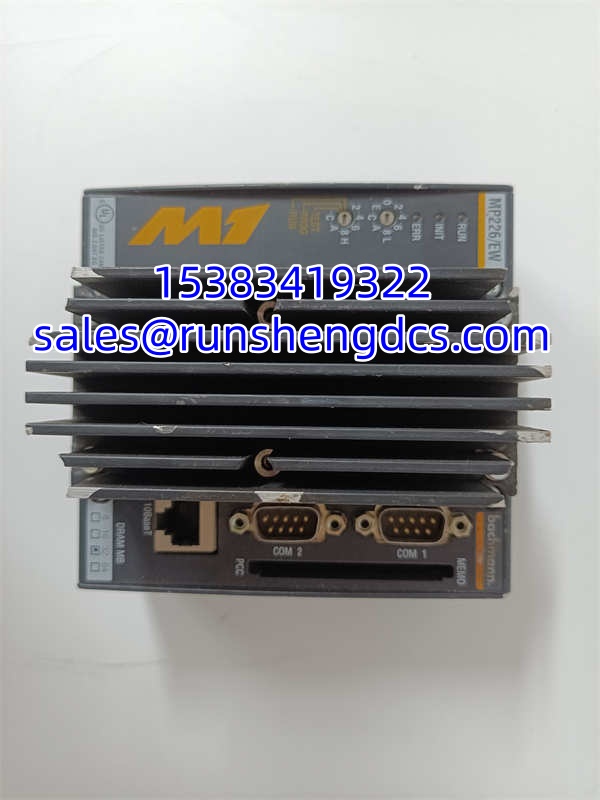

Description
Key Technical Specifications
- Product Model: MP226EW (MP226/EW)
- Manufacturer: BACHMANN (Bachmann Electronic, Austria/Germany)
- Product Type: CPU Processor Module / PLC Control Unit
- CPU: High-performance processor (specific core type and clock speed not confirmed in available documentation — verify against physical label or OEM datasheet)
- Function: Data processing, control logic execution, communication management, system monitoring
- Communication Interfaces: Ethernet, serial ports (RS-232/RS-485/RS-422), fieldbus options (specific protocols depend on configuration)
- I/O Support: Digital and analog input/output channels via modular expansion
- Programming Environment: BACHMANN SolutionCenter (C/C++ and Java-based development environment)
- Operating System: VxWorks-based real-time OS (consistent with BACHMANN controller family)
- Mounting: Modular rack/backplane mount (compatible with BACHMANN MP series chassis)
- Design: Industrial-grade components, passive or active cooling depending on configuration
- Applications: Industrial automation, power system control, traffic signal control, engineering control, data acquisition and monitoring systems
- Origin: Austria/Germany (BACHMANN global manufacturing)
Product Introduction
The BACHMANN MP226EW is the brain of a BACHMANN MP-series PLC rack — not an I/O card, not a communication adapter, but the actual CPU that runs the control program. It handles the heavy lifting: executing control logic, managing communication with field devices over Ethernet and serial links, processing I/O data, and running the real-time OS that keeps everything deterministic. If you’re staring at a BACHMANN rack with this module installed, it’s the one doing the thinking.
BACHMANN built their reputation in wind turbine control, power generation, and heavy industrial automation — environments where a controller failure means real money stops being made. The MP226EW fits into that lineage: modular, expandable, and designed to sit in a rack alongside BACHMANN’s digital/analog I/O modules, fieldbus couplers, and power supplies. The SolutionCenter programming environment lets you write control logic in C/C++, which is a step above ladder logic for complex algorithms, but it also means your team needs someone who actually knows C — not just PLC ladder.
Troubleshooting Quick Reference
| Fault | Likely Cause | Probability | Quick Check | Fix |
|---|---|---|---|---|
| Module not running — no RUN LED (green) | Power supply failure or module not fully seated in backplane | ~30% | Check NT255 or equivalent power module output; verify module fully engaged in slot | Reseat module. Measure backplane voltage at adjacent slot. |
| ERR LED lit (red) — controller restart/running error | Program fault, memory corruption, or firmware mismatch | ~25% | Connect via SolutionCenter; check error log in Device Manager | Download known-good program. Verify firmware version compatibility. |
| INT LED lit (yellow) — system initializing | Boot loop or configuration error | ~20% | Check boot mode via rotary switches (RUN/TEST/PROG); verify IP and boot path | Switch to TEST mode. Verify IP address and boot path settings. |
| Communication failure — Ethernet/serial links down | Network configuration mismatch or physical layer fault | ~15% | Ping module IP; check cable and switch port; verify IP/subnet/gateway settings | Replace cable. Reconfigure network parameters via TEST mode. |
| I/O data not updating despite module running | Backplane communication fault or I/O module failure | ~10% | Check I/O module status LEDs; verify I/O module configuration in SolutionCenter | Reseat I/O modules. Replace faulty I/O module. |
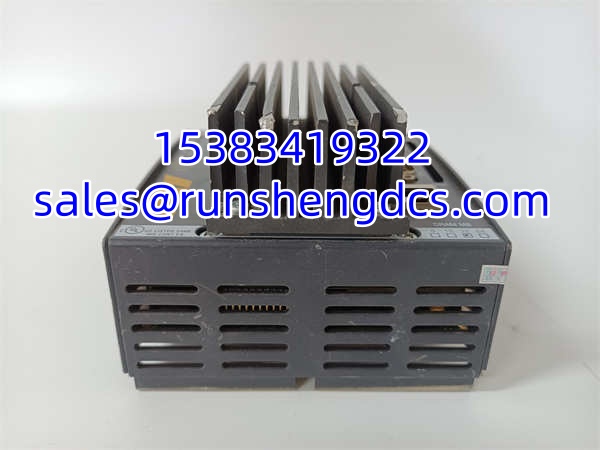
BACHMANN MP226EW
Application Scenarios & Pain Points
Wind turbine pitch and yaw control
BACHMANN controllers are heavily deployed in wind energy — the MP226EW would sit in the nacelle or tower base cabinet, running pitch control algorithms that adjust blade angle in real-time based on wind speed and grid demand. Pain point: these controllers run 24/7 in environments with extreme temperature cycling and vibration. When a CPU module fails on an offshore turbine, the replacement window is measured in weather windows and crane availability, not hours.
Power plant auxiliary system control
In thermal or hydroelectric plants, BACHMANN racks handle cooling water systems, lubrication oil monitoring, and auxiliary process control. Pain point: many of these installations have been running for 15+ years with no spares on site. When the CPU dies, the entire auxiliary system goes blind — and finding a verified surplus MP226EW with matching firmware is a race against plant downtime costs.
Traffic signal and transportation control systems
BACHMANN controllers manage traffic signal coordination and rail crossing systems in some European installations. Pain point: transportation authorities have certification requirements that make swapping in a “similar” module nearly impossible — the replacement must match the original part number and firmware version exactly, or you’re looking at a full recertification cycle.
Real-world case: A maintenance engineer at a European wind farm had an MP226EW fail in a 2 MW turbine’s pitch control system. The turbine went into safe mode — blades feathered, power generation stopped. The failed module’s ERR LED was solid red, and SolutionCenter couldn’t establish a connection. Swapped in a surplus unit from the site’s emergency stock (same part number, verified firmware match), downloaded the last known-good program from the SCADA backup, and was back online in 4 hours. The farm had three spares on site after that incident — because the nearest supplier was 600 km away and lead time was 3 weeks.