
Description
Key Technical Specifications
- Manufacturer: ALSTOM / GE Energy Group
- Product Type: High-Speed Pulse Signal Conversion Module
- System Compatibility: Alstom Microrec, Microrec 2, and legacy Gas Turbine Controls
- Input Signal Type: Pulse Signals (Hall-effect / Reluctance Speed Sensors)
- Input Frequency Range: 0 to 10 kHz
- Output Type: Digital Speed Value
- Speed Conversion Accuracy: ±0.1 RPM
- Electrical Isolation: Channel-to-channel galvanic isolation
- EMC Rating: High Electromagnetic Compatibility (EMI filtering)
- Operating Temperature: -20°C to +70°C
- Form Factor: Dedicated Rack Slot Mount
- Redundancy: Supports 1oo2 or 2oo3 TMR configurations
Product Introduction
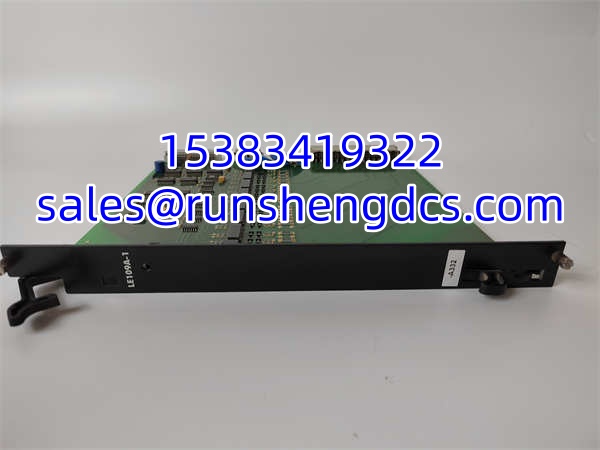
In a power plant, an uncontrolled turbine overspeed event can literally tear a machine apart in seconds. The ALSTOM LE109A-1 is the specialized high-speed pulse signal conversion module tasked with preventing this exact disaster. Sitting in the Alstom Microrec rack, it acts as the dedicated hardware filter and algorithm engine, taking raw, noisy pulse signals from shaft speed sensors and converting them into a clean, highly accurate digital RPM value for the main controller.
Bottom line—this isn’t just a standard I/O card; it’s a safety-critical DSP module. The LE109A-1 features advanced digital signal processing to reject severe electromagnetic interference (EMI) from nearby generators and VFDs, boasting a conversion accuracy of ±0.1 RPM. Because it guards the Digital Electro-Hydraulic (DEH) control system, plants almost always install these in redundant configurations. Honestly, if your turbine is tripping on false overspeed alarms, a degraded LE109A-1 filter circuit is usually the prime suspect.
Troubleshooting Quick Reference
| Fault | Probable Cause | Relevancy | Quick Check | Fix |
|---|---|---|---|---|
| False Overspeed Trip | EMI saturation or degraded filter | High | Check HMI for noise flags; review trend logs | Verify sensor shielding; replace LE109A-1 |
| Erratic RPM Readings | Bad speed sensor or air gap | High | Measure pulse signal at module input | Check sensor gap; test with signal generator |
| Redundancy Mismatch | Single module drift | High | Compare RPM outputs of redundant cards | Swap suspected card; run calibration test |
| Comm Loss to Controller | Backplane interface failure | Medium | Check slot LEDs and backplane voltage | Reseat module; inspect backplane connector pins |
| No Power LED | Missing slot power | High | Measure 24VDC at backplane slot | Check rack power supply; verify fuses |
| Intermittent Faults | Vibration loosening | Medium | Inspect rack mounting hardware | Reseat card; verify slot locking mechanism |
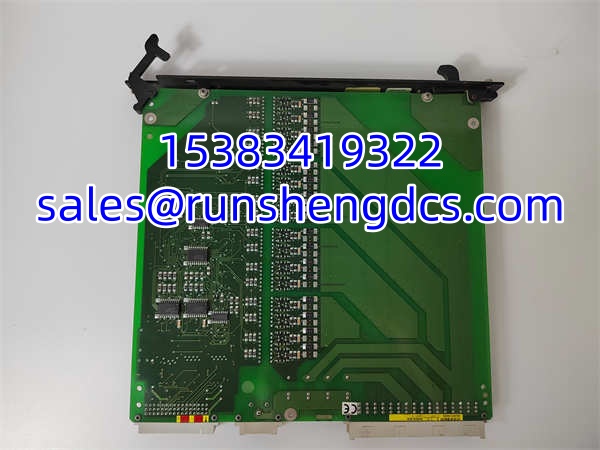
ALSTOM LE109A-1
Application Scenarios & Pain Points
- Thermal Power Generation: Gas and steam turbines require exact DEH speed control. The LE109A-1 must reliably filter out massive EMI from generator excitation systems without introducing phase lag that could delay a legitimate overspeed trip.
- Nuclear Power Plants: Safety margins are razor-thin. The ±0.1 RPM accuracy is mandatory, but aging capacitors in 20-year-old modules can cause signal drift that forces operators to unnecessarily derate the turbine.
- Petrochemical Compressors: Large centrifugal compressors use these modules for anti-surge and speed control. Harsh environments with conductive dust and vibration constantly test the module’s conformal coating and connector integrity.
- Legacy Fleet Maintenance: ALSTOM Microrec systems are aging out. Finding verified, tested LE109A-1 modules is a massive headache because they are safety-critical and cannot be substituted with generic I/O cards.