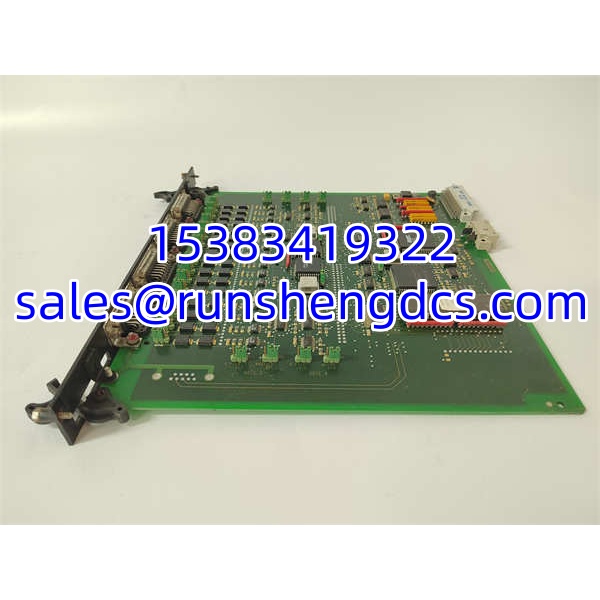

Description
Key Technical Specifications
| Parameter | Value |
|---|---|
| Model | IR139-1 |
| Manufacturer | ALSTOM |
| Product Type | Communication module |
| System Platform | ALSTOM control system family (surplus listings reference Modicon M340 integration) |
| Communication Protocol | Modbus RTU |
| Physical Interfaces | RS-232, RS-485 |
| Baud Rate | 9600 bps to 115200 bps |
| Data Bits | 6, 7, 8 |
| Parity | None, odd, even |
| Stop Bits | 1, 2 |
| Node Address | 0 to 255 |
| Slot Size | 1 slot |
| Weight | Approximately 0.5 kg |
| Hot Swap | System-dependent; follow OEM maintenance procedures |
| Supply Voltage | Derived from host rack/backplane; verify installed chassis configuration |
| Operating Temperature | Verify against installed system hardware datasheet |
Product Introduction
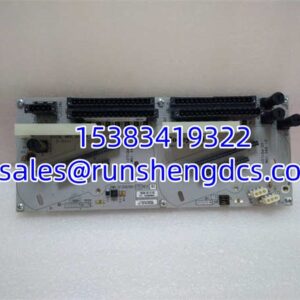
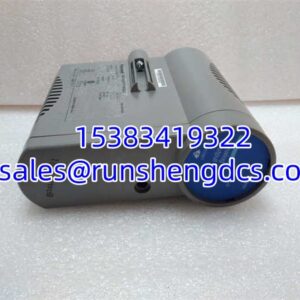
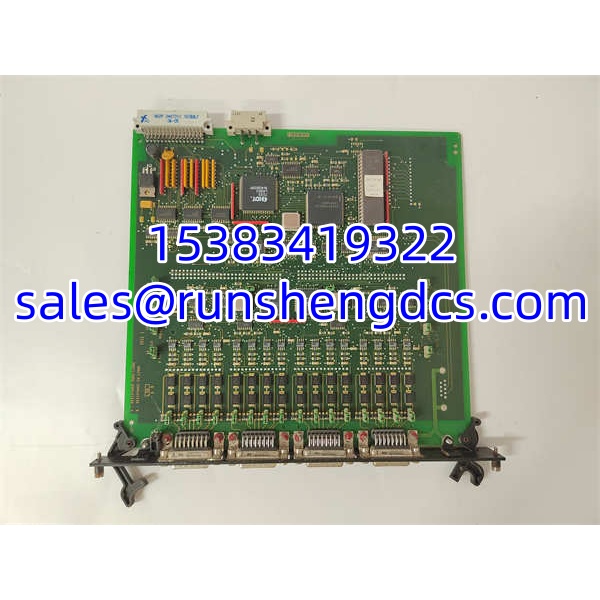
The IR139-1 is a communication module used in ALSTOM industrial control systems. Its primary role is to provide serial communication connectivity — typically Modbus RTU over RS-232 or RS-485 — enabling the controller to exchange data with field devices, RTUs, HMIs, or SCADA systems.
In a typical installation, the IR139-1 occupies a single slot in the controller rack and is configured with the appropriate baud rate, data format, parity, and node address to match the connected network. It handles protocol conversion, message framing, error handling, and diagnostic reporting for the serial link.
Because this part is no longer actively marketed by ALSTOM, procurement should be treated as legacy spare acquisition. The critical verification points are the label match (IR139-1), physical condition of the serial connectors and backplane contacts, and compatibility with the installed controller generation.
QA/QC Transparency SOP
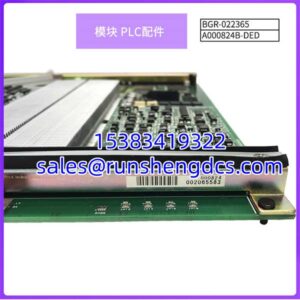
- Intake & Origin Verification: Confirm ALSTOM labeling, model IR139-1, serial number, and hardware revision. Reject units with cracked housings, damaged serial ports, corroded backplane connectors, or missing mounting hardware.
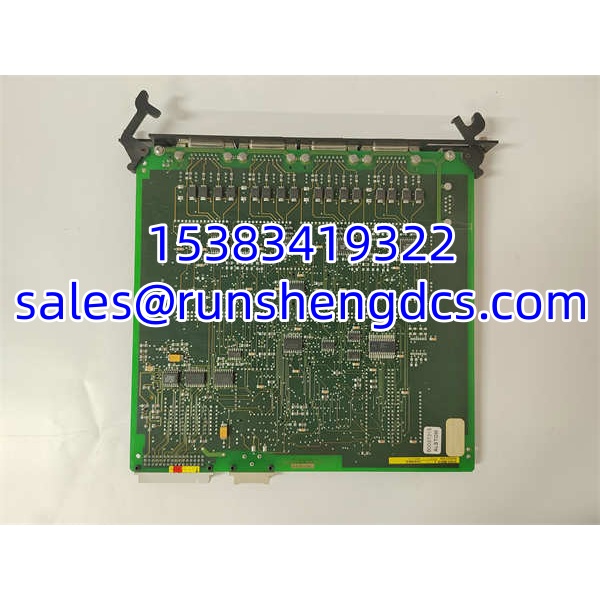
- Visual & Mechanical Inspection: Inspect RS-232/RS-485 terminal blocks or D-sub connectors for bent pins, corrosion, or loose terminals. Verify the backplane connector pins are straight and free of damage. Check for signs of forced insertion or connector misalignment.
- Continuity Verification: Perform pin-to-pin continuity checks across the serial interface connectors to confirm no open circuits or shorts. Verify terminal block screws are intact and threads are not stripped.
- Functional Testing: Install the module into a compatible ALSTOM test rack. Power up and verify the module is recognized by the system. Connect to a known-good Modbus RTU device and confirm successful communication — verify register reads/writes and error-free operation.
- Final QC & Anti-Static Packaging: Photograph labels, serial connectors, backplane connector, and PCB condition. Pack in anti-static bag with rigid foam support. Include test summary, model number, and observed operating status.
Field Engineer Gotchas
- Conflicting third-party descriptions. Some surplus listings describe the as a control motherboard with an Intel Core i7 processor and 8GB RAM. This conflicts with other sources identifying it as a serial communication module. Always verify the physical label and connector configuration before procurement.
- Modbus RTU parameter matching. The baud rate, data bits, parity, and stop bits must match all devices on the RS-485/RS-232 link. A mismatch will prevent communication. Document the existing configuration before removing the module.
- RS-485 termination and biasing. On RS-485 networks, proper termination resistors and bias resistors are required at the ends of the bus. Missing termination can cause intermittent communication errors that are difficult to diagnose.
- Node address conflicts. Each device on a Modbus RTU network must have a unique node address (0–255). A duplicate address will cause communication collisions and data corruption.
- Rack generation compatibility. ALSTOM control hardware has evolved across multiple generations. An from one generation may not be mechanically or electrically compatible with a different rack generation. Confirm the rack model and slot type before ordering.
ALSTOM IR139-1
Application Scenarios
- SCADA integration: Provides Modbus RTU connectivity between an ALSTOM controller and a SCADA system or RTU, enabling remote monitoring and control.
- Field device communication: Connects the controller to field instruments, drives, or PLCs that communicate via Modbus RTU over RS-485.
- Legacy system maintenance: Replacement for a failed communication module on existing ALSTOM installations where Modbus RTU serial links are still in use.
- Commissioning and troubleshooting: Used during system commissioning to verify serial link integrity and isolate communication faults between the controller and field devices.
FAQ
It is an ALSTOM communication module providing serial connectivity (Modbus RTU over RS-232/RS-485) for ALSTOM control systems.
What protocol does it support?
Modbus RTU is the primary protocol referenced in available documentation. Verify against the physical label and OEM documentation for additional protocol support.
Is it still available new from ALSTOM?
Treat it as legacy/discontinued. Most supply comes from surplus or verified used stock. Confirm label, connector condition, and compatibility before purchase.
What are the critical configuration parameters?
Baud rate (9600–115200 bps), data bits (6/7/8), parity (none/odd/even), stop bits (1/2), and node address (0–255). All must match the connected devices on the serial link.
How do I verify it is functional?
Install it in a compatible ALSTOM test rack, power up, verify system recognition, and test communication with a known-good Modbus RTU device.
Can I substitute it with a generic RS-485 module?
No. The is specific to the ALSTOM control system backplane and firmware. A generic module will not be recognized by the controller.