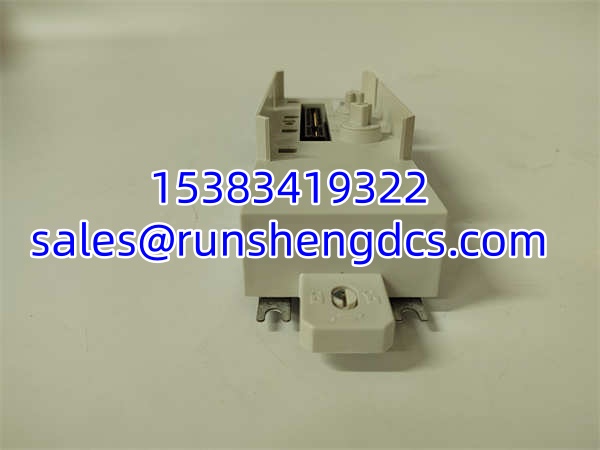

Description
Key Technical Specifications
- Supply voltage: 24 VDC, ±10%
- Typical power consumption: 15 W; max 20 W
- Bus interface: ABB Advant proprietary master bus
- Mounting: Standard 19‑inch DCS rack slot
- Operating temperature: 0 °C to +55 °C
- Storage temperature: −25 °C to +70 °C
- Humidity: 5–95% non‑condensing
- Enclosure rating: IP20
- Compliance: IEC 61131‑1, CE marked
- Typical MTBF: 214,000 hours at 40 °C ambient
- Weight: 2.8 kg
Product Introduction
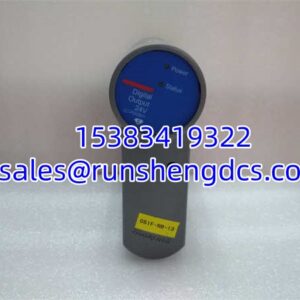
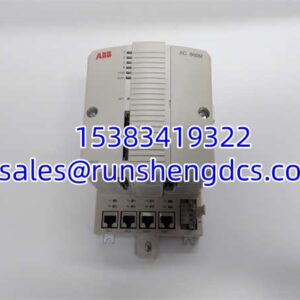
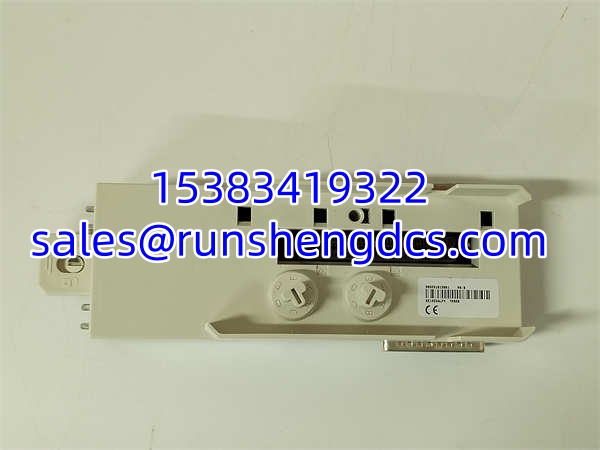
Many legacy power plants run Advant OCS hardware with zero active factory support. When a TP858 fails, bus traffic stalls between controllers and operator displays. No direct modern drop‑in replacement exists, forcing maintenance teams to source pre‑tested legacy stock. This module terminates the Advant master bus, routes HMI commands and process values between operator workstations and field controllers. It does not execute control logic or scan physical I/O points.
Shelf‑aged units often develop intermittent bus lockups from oxidized backplane pins. Its internal bus transceiver tolerates moderate electrical noise from adjacent high‑current drives. Within rated temperature limits, bit error rates stay below 1 fault per 10⁶ transmitted packets. Bottom line — it works, but inspect all backplane contacts before hot swapping.
QA/QC Transparency SOP
- Intake & Origin Verification. Match serial number to incoming paperwork. Inspect PCB for burn marks, electrolyte leakage, or corroded edge connector gold traces. Document label and board photos. Reject units showing fluid contamination.
- Live Functional Testing (Comms, I/O, Load). Seat module in Advant test rack with bus emulator. Apply 24 VDC supply. Transmit cyclic read/write traffic across the master bus for minimum 90 minutes. Verify no dropped packets or bus timeouts. Trigger simulated bus overload to confirm fault LED activates correctly.
- Electrical Parameter Tests (Megger, Continuity). De‑energize rack. Run 500 V Megger between signal circuits and chassis ground; insulation resistance must exceed 100 MΩ. Check edge connector pin continuity with a Fluke 87V.
- Firmware/Config Verification (Readout & Backup). Read onboard firmware revision over Advant bus. Save binary firmware dump to offline storage. Flag revisions documented to cause bus retries; cross‑reference against site’s existing firmware matrix.
- Final QC & Anti‑Static Packaging. Recheck LED response and connector retention force. Place module in conductive ESD bag, add foam edge protection, pack inside rigid carton. Attach unique test report ID to outer packaging.
Field Engineer Gotchas
- Firmware Rev Mismatch. Risk: Mismatched TP858 firmware generates silent bus collisions. Operators see frozen graphics without system alarms logged. Solution: Match module firmware revision to every other TP858 on the same master bus. One site swapped two units blindly; bus instability lasted nearly an entire shift.
- Bus Termination Jumpers. Risk: Missing or duplicate termination resistors create signal reflections. Symptoms include random screen flicker and delayed alarm updates. Solution: Confirm only the two physical endpoints of the Advant bus have termination jumpers set. Do not leave jumpers enabled on mid‑rack modules.
- ESD risk during rack insertion. Risk: Exposed edge connector pins pick up static in dry control‑room air. A single discharge can damage the bus transceiver chip with no visible burn marks. Solution: Ground wrist strap to rack chassis before handling. Keep the ESD bag sealed until the moment of installation.
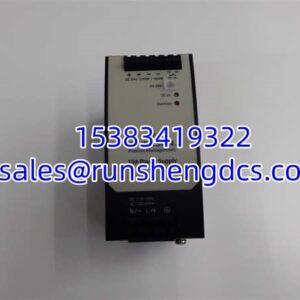
- 24VDC supply ripple. Risk: Poorly regulated DC power with >200 mV ripple triggers cyclic bus resets. Operators blame the TP858 when the real fault sits in an aging SD800 power supply. Solution: Measure supply ripple at the rack backplane before module replacement.
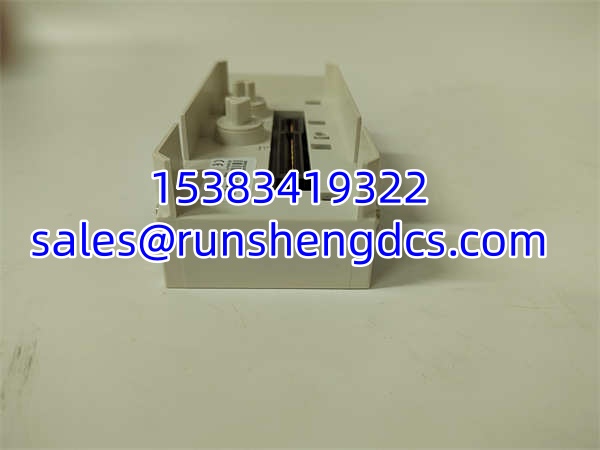
ABB TP858 3BSE018138R1
Application Scenarios
Coal‑fired thermal power plants with legacy MOD300 DCS need stable master‑bus links for boiler and turbine operator displays. This terminal unit passes setpoints, drum‑level trends, and trip alarms to control‑room consoles. Cogeneration plants running Advant OCS deploy TP858 modules where multiple operator stations share one master bus segment. Isolated bus termination reduces cross‑talk across long rack wiring. Waste‑to‑energy facilities rely on these units for incinerator and flue‑gas control HMI traffic, where cabinet temperatures fluctuate daily.
Case study: A 160 MW cogeneration unit had intermittent HMI freezes every 2–4 hours. Technicians initially swapped the operator workstation PC with no improvement. Bench testing later found partial oxidation on three bus connector pins. Cleaning the pins and re‑torquing rack screws eliminated the freeze; no new module purchase required.
FAQ
Q: Does ABB TP858 3BSE018138R1 support hot‑swap? A: Mechanically you can remove it while rack power stays live. Hot‑swap can trigger brief master‑bus resets and kick all connected operator stations offline. Schedule swaps during low‑load periods.
Q: My Advant system runs R5.1 software. Will this drop in? A: Compatibility depends entirely on the onboard firmware. Some older firmware builds fail on R5.1 hosts. Request firmware revision data before purchase. Verify with OEM datasheet before installation.
Q: Can I mix and other terminal units on the same master bus? A: Only approved Advant terminal types may share a bus segment. Unmatched hardware generates bus collisions. Stick to for homogeneous segments.
Q: What lead time applies for tested surplus stock? A: Fully tested units ship in 2–5 business days. Units requiring component rework take 7–12 days. No new factory production exists.
Q: Are refurbished units tested for bus traffic load? A: Every unit passes extended cyclic bus load testing during QC. Test reports include packet‑loss metrics. Field commissioning still requires a full bus‑segment checkout.
Q: Will work with AC800M or 800xA systems? A: No. It uses the legacy Advant master bus protocol. It cannot connect to AC800M backplanes or standard Ethernet‑based 800xA infrastructure.
Q: What maximum cable length can the Advant master bus run with ? A: Typical limit sits at 500 meters with shielded twisted pair. Longer runs increase reflection errors unless repeaters are added. Verify cable shielding continuity at every junction.