
Description
Key Technical Specifications
| Parameter | Value |
|---|---|
| Part Number | 3BSC950193R1 |
| Model Designation | TB850 |
| Manufacturer | ABB |
| Product Type | CEX-Bus terminator / termination unit |
| System Platform | ABB AC 800M controller family |
| Connector Type | Male DB25P |
| Primary Function | Terminates CEX-Bus when no CEX communication modules are installed |
| Companion Part | TB851 (female DB25P) for bus extension |
| Extension Cable | TK850 (metal-shielded DB25P cable) for second DIN-rail expansion |
| Max CEX Modules | Up to 12 communication modules on CEX-Bus (when populated) |
| Hot Swap | Not applicable — passive termination accessory |
| Supply Voltage | N/A — passive component, no independent power requirement |
| Operating Temperature | Verify against installed AC 800M controller datasheet |
Product Introduction
The CEX-Bus on an AC 800M controller is where communication modules — Profibus DP, Modbus TCP, Foundation Fieldbus HSE, S100 I/O interface — plug in. But if the CEX slot is empty, the bus is left unterminated. An unterminated bus reflects signals, causes communication errors, and can make the controller behave unpredictably. That is where the TB850 comes in.
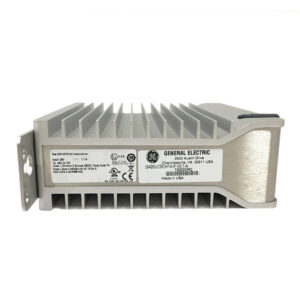
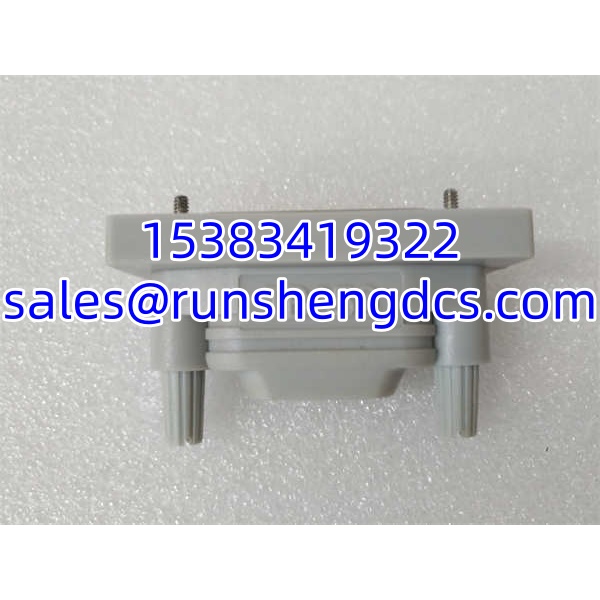
The TB850 (3BSC950193R1) is a passive CEX-Bus terminator with a male DB25P connector. It plugs into the CEX port on the AC 800M CPU when no communication modules are installed, properly terminating the bus and preventing signal reflection. When CEX-Bus extension is needed to a second DIN rail, the TB850 pairs with TB851 (female) via a TK850 shielded cable. It is a small, inexpensive part — but leaving the CEX-Bus unterminated is a classic commissioning mistake that can waste hours of troubleshooting. Bottom line: if the CEX slot is empty, the must be installed.
QA/QC Transparency SOP
- Intake & Origin Verification: Confirm ABB labeling, part number 3BSC950193R1, model , and physical condition. Verify the unit is the male DB25P terminator, not TB851 (female) or a communication module. Reject units with bent DB25 pins, cracked housings, or missing mounting clips.
- Visual & Mechanical Inspection: Inspect the DB25P connector for bent or corroded pins. Verify the metal shell is intact and the connector mates cleanly with a female DB25S port. Check for signs of forced insertion or pin damage.
- Continuity Verification: Perform pin-to-pin continuity checks across the connector to confirm internal termination resistors are present and intact. Verify no shorted pins or open circuits.
- Functional Verification: Install the into the CEX port of a known-good AC 800M CPU with no CEX modules installed. Power up the controller and confirm no CEX-Bus fault alarms appear in Control Builder or the controller diagnostic buffer.
- Final QC & Anti-Static Packaging: Photograph labels, connector pins, and housing condition. Pack in anti-static bag with rigid foam support to protect the pins. Include test summary, part number, and mating verification note.
Field Engineer Gotchas
- Terminator vs. module confusion. Multiple third-party listings incorrectly label the as an analog I/O or expansion module. It is a passive bus terminator. Ordering it expecting I/O channels will result in a non-functional installation.
- is male (); TB851 is female (DB25S). They serve different roles — terminates the bus on the CPU; TB851 is used at the far end of a TK850 extension cable. Swapping them prevents proper mating.
- CEX slot must be terminated or populated. If you remove a CEX communication module for testing and do not reinstall the , the unterminated bus can cause intermittent controller communication faults that are difficult to diagnose.
- Pin damage risk. The connector pins are fragile. Forcing a misaligned connector or inserting at an angle can bend pins, rendering the terminator unusable. Always align before seating.
- TK850 cable shield integrity. When extending the CEX-Bus to a second DIN rail using TK850 cable, verify the metal shield is intact. A compromised shield can introduce noise into the CEX-Bus communication.
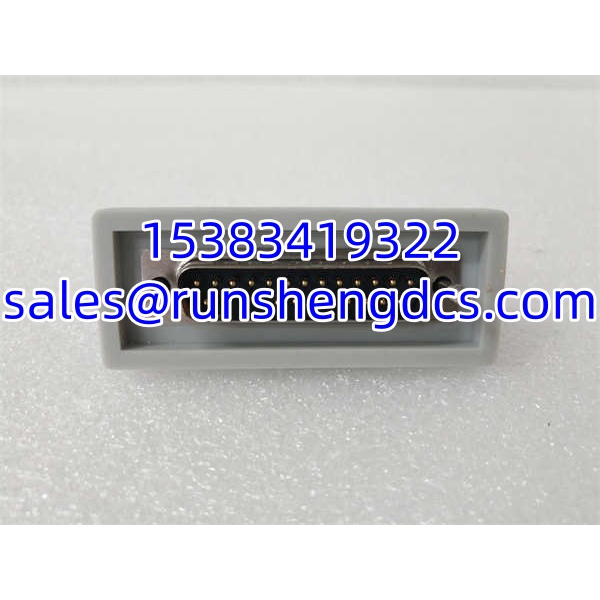
ABB TB850 3BSC950193R1
Application Scenarios
- AC 800M standalone controller installations: Where no CEX communication modules are required, the terminates the CEX-Bus to prevent faults and ensure stable controller operation.
- Commissioning and troubleshooting: During controller bench testing, the is installed when CEX modules are removed, maintaining bus integrity while isolating communication issues.
- CEX-Bus extension architectures: In multi-rail installations, terminates the CPU-side CEX port while TB851 terminates the far end of the TK850 extension cable.
- Legacy system maintenance: Replacement for damaged or lost terminators on existing AC 800M installations where the CEX slot remains unused.
FAQ
No. Despite some third-party listings describing it as an “analog expansion module,” ABB AC 800M documentation identifies the as a CEX-Bus terminator. It has no I/O channels.
It terminates the CEX-Bus on the AC 800M CPU when no communication modules are installed in the CEX slot, preventing signal reflection and communication faults.
is a male terminator installed on the CPU CEX port. is a female DB25S terminator used at the far end of a extension cable. They are not interchangeable.
Whenever the CEX slot on an AC 800M controller is empty. If you install CEX communication modules, the last module on the bus handles termination. If the slot is unused, the must be installed.
No. The is specific to the ABB AC 800M CEX-Bus interface. It is not a generic DB25 terminator.
Is this still available new from ABB?
Treat it as a legacy accessory. Most supply comes from surplus or verified used stock. Confirm label, connector condition, and pin integrity before purchase.
The CEX-Bus will be unterminated, which can cause signal reflection, intermittent communication faults, and controller diagnostic alarms. The controller may still run, but CEX-Bus reliability will be compromised.