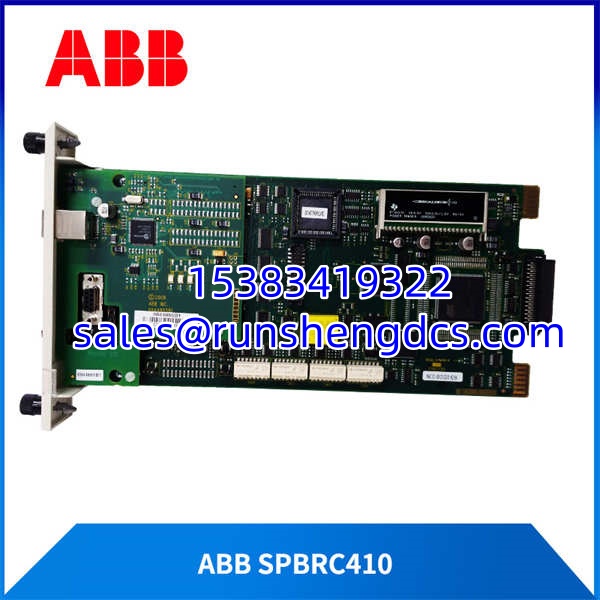

Description
Key Technical Specifications
- Power Supply: 24V DC
- Communication Protocols: Modbus TCP, RS-232, RS-485, CANopen
- Operating Temperature: -20°C to +60°C
- Compatible Systems: ABB Symphony Plus, INFI 90®
- Signal Output: Relay and TTL level digital signals
- Programmability: Custom algorithm and logic development support
- Control Capacity: Supports up to 30,000 function blocks
- Protection Rating: IP20
- Dimensions: 178mm x 51mm x 330mm
- Weight: Approximately 0.3 kg
Product Introduction
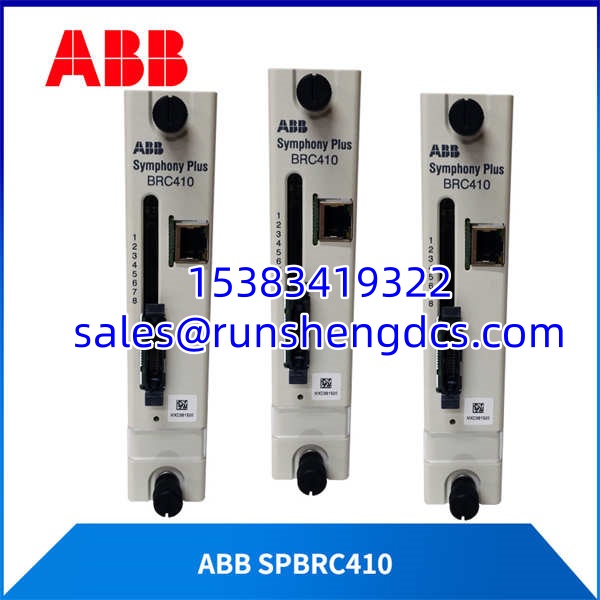
Integrating legacy INFI 90 hardware with modern Ethernet networks usually means dealing with dropped packets and protocol mismatches. The SPBRC410 acts as the bridge controller in the Symphony Plus architecture, handling the heavy lifting of cross-system data interaction. It sits in the rack and translates between field-level protocols like RS-485 and upper-level Modbus TCP networks.
This board isn’t just a dumb repeater. It features a high-performance processor capable of executing up to 30,000 function blocks for localized control logic. With an operating temperature range of -20°C to +60°C, it handles the thermal stress inside hot control cabinets. Bottom line — it solves multi-vendor integration headaches without forcing a complete DCS rip-and-replace. Always verify the exact SPBRC410 suffix against your existing chassis backplane.
QA/QC Transparency SOP
Bridge controllers are the backbone of network stability. We don’t trust the label; we trust the bench test. Here is how we validate an SPBRC410:
- Intake & Origin Verification: We inspect the PCB for physical damage, check the date codes, and trace the lot to ensure it hasn’t been pulled from a flooded plant.
- Live Functional Testing: The module goes into a live Symphony test rack. We force Modbus TCP traffic through the Ethernet port and verify RS-485 communication with simulated field devices.
- Electrical Parameter Tests: We use a Fluke meter to check the 24V DC input rails for continuity and verify the internal power regulators aren’t showing signs of capacitor leakage.
- Firmware/Config Verification: We read the internal flash to confirm the firmware version matches the physical label and back up the default configuration.
- Final QC & Anti-Static Packaging: After cleaning the chassis, the module is sealed in a static-shielding bag with rigid foam corner protectors to prevent transit damage.
Field Engineer Gotchas
- Firmware Rev Mismatch: If your new module’s firmware is older than the Symphony Plus controller, the handshake will fail. Always check the revision suffix before powering up.
- RS-485 Ground Loops: When wiring the RS-485 interface, ensure you have a clean signal ground. Ground loops will corrupt your Modbus RTU traffic instantly.
- Termination Resistor Errors: Forgetting the 120-ohm termination resistor at the end of the RS-485 bus is a classic mistake. It causes signal reflections that look exactly like a dead module.
- War Story: I once swapped an SPBRC410 and spent three hours chasing a ghost fault. The module was powered on, LEDs looked good, but no Modbus TCP traffic. Turns out the previous tech had bent pins in the backplane connector trying to force it in. Always inspect the backplane pins with a flashlight before sliding a new module home.
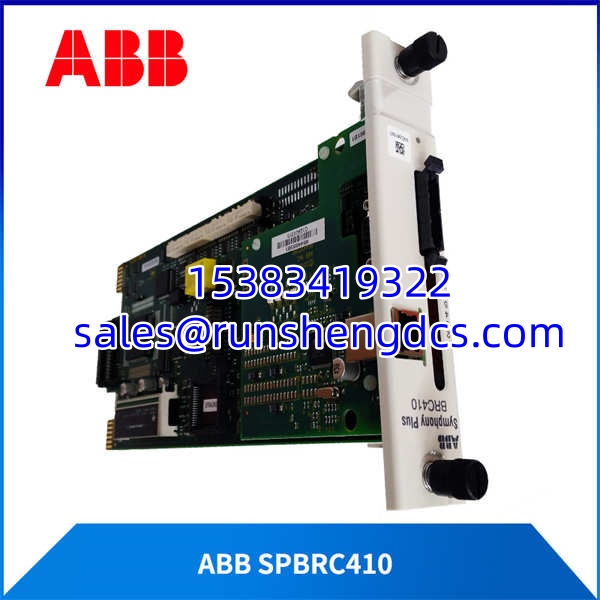
ABB-SPBRC410
Application Scenarios
- Thermal Power Plants: Legacy INFI 90 systems use this module to bridge boiler control units with modern plant-wide Ethernet networks for real-time monitoring.
- Oil & Gas Refining: Cross-protocol integration allows older field instruments to communicate seamlessly with new DCS controllers during phased upgrades.
- Chemical Processing: Multi-vendor integration relies on the SPBRC410 to execute localized control logic while maintaining data flow to the central historian.
FAQ
Can I hot-swap this module without powering down the Symphony rack?
It depends on your specific Symphony Plus configuration. While some setups support hot-swapping, older INFI 90 backplanes can experience voltage sags during insertion. If you suspect physical damage to the connector, shut down the rack first.
Does it support both Modbus TCP and CANopen at the same time?
Yes, the module is designed for multi-protocol environments. However, you must configure the communication parameters correctly in your Symphony Plus engineering tool to prevent bus contention.
Generally, yes. ABB maintains backward compatibility on the hardware level for these bridge controllers. However, the system might require a firmware update to recognize the newer revision. Check your engineering software hardware configuration.
How do I configure the IP address on this module?
You can’t do it from the front panel. Open your Symphony Plus engineering environment, navigate to the hardware configuration for the , set the IP parameters, and download the configuration to the controller.
Is this module compatible with standard PLC I/O racks?
No. The is strictly for the ABB Symphony Plus and INFI 90 platforms. Standard PLC racks use completely different backplane bus architectures.
What’s the typical lead time for a tested unit?
If it’s in stock, we ship same-day. If we have to pull it from surplus inventory and run the full QA SOP, add 24 hours. We don’t rush the communication tests.