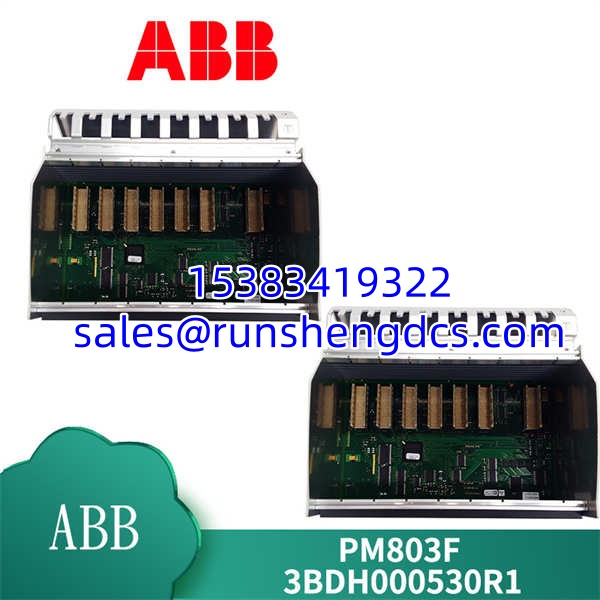

Description
Product Introduction
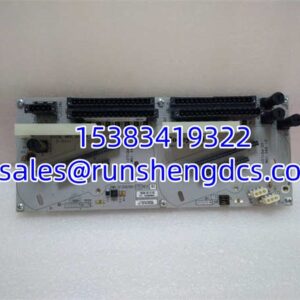
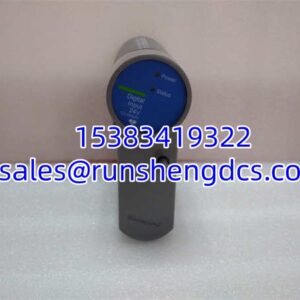
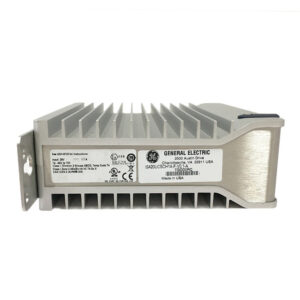
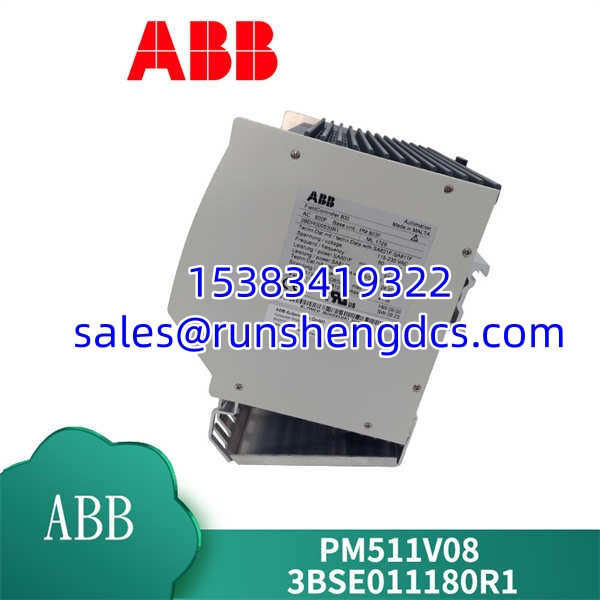
The ABB PM803F 3BDH000001R1 is the workhorse CPU module for the AC 800F distributed control system. It handles logic execution, communication, and system management for medium to large-scale process automation applications.
This controller is built for reliability, featuring redundant CPU and power supply configurations to prevent single points of failure. With 8 MB of RAM and a 100 Mbps Ethernet port for system bus communication, it provides enough horsepower for complex control strategies without being overkill. In my experience, its deterministic scan cycle is what makes it a solid choice for time-critical loops.
Key Technical Specifications
- Processor: 32-bit RISC
- RAM: 8 MB
- Flash Memory: 16 MB
- System Bus: Ethernet 100BASE-TX, RJ45 connector
- Redundancy: CPU and power supply redundancy supported
- Serial Ports: 2 x RS232/RS485, COM2 and COM3
- Operating Temperature: 0 to 60 °C
- Supply Voltage: 24 V DC (19.2 to 30 V DC)
- Power Consumption: 12 W typical
- MTBF: > 100,000 hours
Compatibility & Replacement Matrix
- PM802F (3BDH000002R1) → PM803F (3BDH000001R1) : Needs Adaptation — Hardware is compatible, but a firmware and project download is required. The PM803F has more memory.
- PM803F (3BDH000001R1) → PM803F (3BDH000001R2) : Direct — Hardware revision change. Firmware compatibility must be verified against the system version.
Quality Inspection & SOP Transparency
- Incoming Inspection: We start by verifying the ABB PM803F’s source with packing lists and customs documents. Our anti-counterfeit check involves looking up the serial number and inspecting the label for the correct ABB font and material. A visual inspection follows, checking for any physical damage, corrosion on the connectors, or signs of the housing being opened.
- Live Functional Test: The module is installed in a live AC 800F rack with a redundant power supply. We power it on and watch the LED sequence; the “Run” LED should be solid green. We then establish a connection with the Control Builder F software to read the hardware revision and perform a memory test. The Ethernet ports are tested for link integrity and data throughput. This entire process runs under a 24-hour load to monitor for thermal issues.
- Electrical Parameter Test: Using a Fluke 115 multimeter, we measure the module’s current draw at 24 V DC to ensure it’s within the 12 W typical specification. We also perform an insulation resistance test on the power input terminals.
- Firmware Verification: We connect to the module and record the exact firmware version. For the , this is critical, as it must match the rest of the AC 800F system. We photograph any configuration switches, though this model has few.
- Final QC & Packaging: After passing all tests, a QC engineer signs off. The is placed in an anti-static bag, sealed, and packed in a double-walled carton with ample bubble wrap. A “QC Passed” label with the date is affixed to the outside. Test logs are available on request.
Common Replacement Pitfalls
- ❗ Firmware Revision Mismatch: This is the number one reason for a failed swap. You can’t just drop a with firmware v4.0 into a system running v3.1. The controller will fail to join the network. Always, and I mean always, check the firmware version of the failed unit before you order a replacement. I once saw a plant down for a full shift because of this simple oversight.
- Redundancy Sync Failure: If you’re replacing one CPU in a redundant pair, the new module must sync with the existing one. This process can fail if the hardware revisions are too far apart or if the system bus cabling is faulty. Watch the “Sync” LED closely. If it blinks amber for more than a few minutes, something is wrong.
- Battery Backup Missing: The uses a battery to retain the real-time clock and some configuration data during a power-off. If the replacement module’s battery is dead or missing, you’ll get clock errors and may lose certain settings. Check the battery voltage with a multimeter before installing.
- Ethernet Cable Confusion: The has two Ethernet ports: one for the system bus (S800 I/O) and one for the plant bus (connection to engineering stations, etc.). Swapping these cables will prevent the controller from communicating with its I/O modules. The ports are often labeled, but it’s an easy mistake to make in a hurry.
- ESD Damage: These are sensitive pieces of electronics. Always use a grounded wrist strap. I’ve seen a module get zapped by static from a person’s sleeve, and it passed the initial power-on test but failed an hour later under load. It’s a ghost in the machine that’s hard to diagnose.
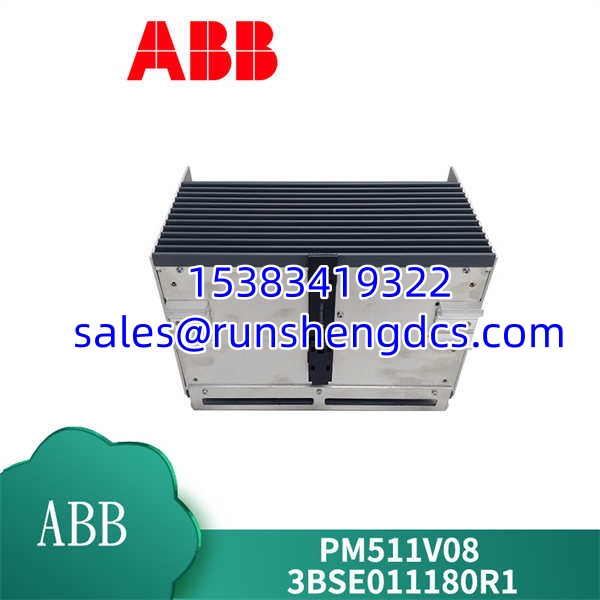
ABB-PM803F
FAQ
Can I just swap this in directly?
Depends on your situation:
- If the firmware versions match: Yes, you can physically swap it. The controller should boot and rejoin the system.
- If the firmware versions are different: No. You will need to use Control Builder F to load the correct firmware onto the new before it will operate correctly in your existing project.
| Feature | PM802F | |
|---|---|---|
| RAM | 4 MB | 8 MB |
| Flash Memory | 8 MB | 16 MB |
| Use Case | Smaller systems | Medium to large systems |
The has double the memory, allowing it to handle larger and more complex control programs.
My system is AC 800F version 2.0. Will this work?
No. The 3BDH000001R1 requires a more recent version of the AC 800F firmware. It is not backward compatible with very old system versions like 2.0. We recommend confirming your system’s firmware version with your OEM technical support before ordering.
Is this module new or refurbished?
This is a New Original (New Surplus) part. It is a genuine ABB component that was never installed in a system but may have been in warehouse storage. It is not a repaired or refurbished unit.
How can I be sure this is a genuine ABB part?
We verify authenticity through a multi-step process. We check the serial number against ABB’s records, inspect the label for correct fonts and materials, and examine the PCB and housing for manufacturing quality consistent with genuine ABB parts. We can provide photos of the actual unit on request.