
Description
Product Introduction
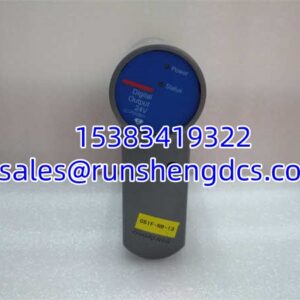
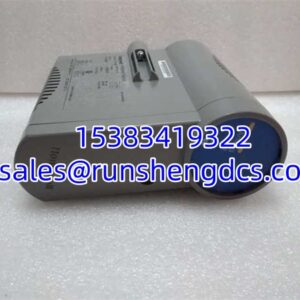
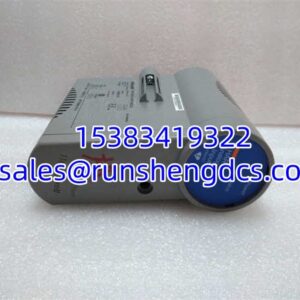
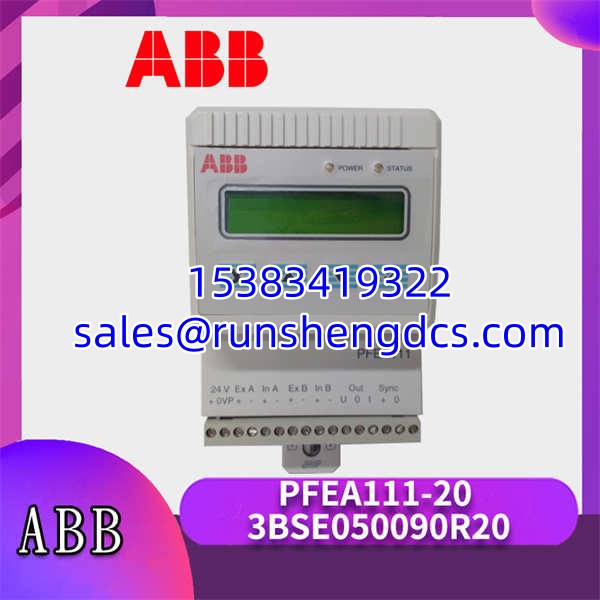
The ABB PFEA111-20 is the workhorse of the Pressductor® family, designed to turn raw sensor signals into stable, reliable web tension. It’s not just an amplifier; it’s a compact control brain that processes signals from two load cells (SUM and DIFF) and outputs precise control signals to your drives.
You’ll find this unit on everything from steel rolling mills to paper coating lines, where a 0.1% measurement error can mean snapped webs or wrinkled product. It handles the heavy lifting: digital filtering to kill mechanical vibration noise, automatic temperature compensation for the sensors, and built-in PID control so you don’t need a separate PLC loop for basic tension regulation. The 3BSE050090R20 order code is the current standard, but if your old unit says 3BSE028140R20, don’t panic—it’s the same PFEA111-20 hardware, just an earlier ordering number.
Key Technical Specifications
| Parameter | PFEA111-20 Specification |
|---|---|
| Supply Voltage | 24V DC (18-36V Range) |
| Sensor Inputs | Dual Channel (A+B SUM, A-B DIFF) |
| Measurement Accuracy | ±0.1% of Full Scale |
| Response Time | < 10 ms |
| Analog Outputs | 2x Configurable (0-10V / 4-20mA) |
| Digital Outputs | 4x Relay + 1x Pulse |
| Communication | RS485 (Modbus RTU); Optional Profibus/Ethernet |
| Digital Filter | 6 Time Constants (15ms to 1500ms) |
| Operating Temp | -25°C to +70°C |
| Mounting | DIN Rail (IP20) or Wall Mount (IP65 Option) |
Compatibility & Replacement Matrix
| Your Current Model | Direct Replacement / Variant | Notes |
|---|---|---|
| PFEA111-20 | PFEA111-20 | Exact match. Verify order code 3BSE050090R20 or 3BSE028140R20. |
| 3BSE028140R20 | ✅ Same Hardware | Legacy order code for PFEA111-20. Fully interchangeable. |
| PFEA111-65 | ⚠️ Different Tier | Higher-end model with more I/O and advanced fieldbus. Check if your app needs the extra features. |
| PFEA112-20 | ⚠️ Comm Upgrade | Adds Profibus-DP. Same tension core, but different backplane comms. |
| PFEA113-20 | ⚠️ Different Platform | Higher performance tier. Not a drop-in without config changes. |
Quality Inspection & SOP Transparency
Tension controllers are precision instruments. Here’s how we validate every :
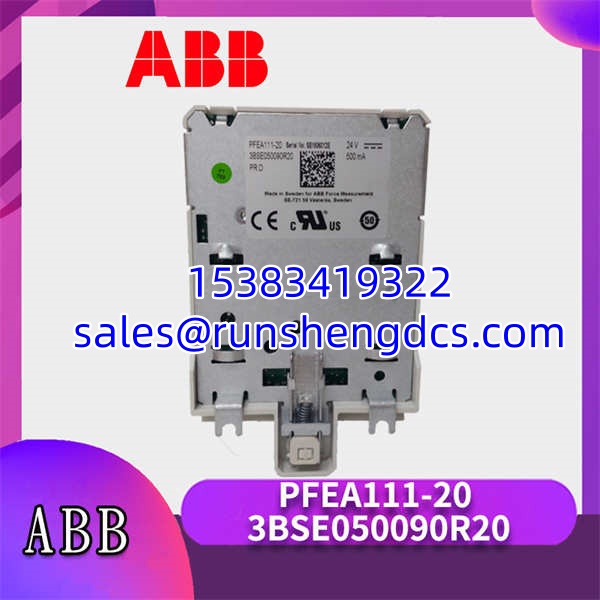
- Visual & Label Verification: We confirm the “” marking and check the order code (3BSE050090R20 vs R65). Connectors are inspected for bent pins or corrosion.
- Power-On & Display Test: We apply 24V DC and verify the display boots, shows valid sensor status, and responds to keypad navigation. No dead pixels or stuck buttons.
- Signal Injection Test: We inject a simulated mV/V signal into the sensor inputs and verify the SUM/DIFF display matches within ±0.1%. Analog outputs are checked against a precision multimeter.
- Relay & Comm Check: All 4 relays are triggered to verify click and continuity. RS485 is polled via Modbus to ensure register read/write functionality.
- Final QC & Packaging: Anti-static bag, rigid foam protection, and a test report. If the display is dim or relays chatter, it’s rejected.
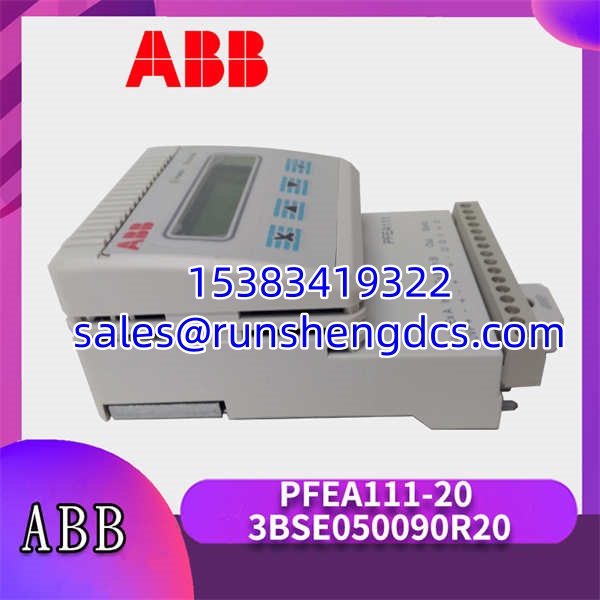
ABB 3BSE050090R20 PFEA111-20
Common Replacement Pitfalls
- Order Code Confusion: Buying 3BSE050090R65 thinking it’s a . R65 = PFEA111-65. The -65 has different I/O and firmware. Always match the model name on the front, not just the order code.
- Ignoring Sensor Type: The supports PFCL, PFTL, and PFRL series sensors. If you’re replacing a sensor and the controller, ensure the new sensor’s mV/V rating matches the controller’s input range. Mismatch = calibration nightmares.
- Filter Settings: The default digital filter might be too slow for high-speed lines. If you see tension lag, check the filter time constant (15ms-1500ms). Too fast = noise; too slow = instability.
- Grounding Loops: Sensor shields must be grounded only at the SG terminal. Grounding at both ends creates a loop that looks like tension noise. This is the #1 field complaint.
- Calibration Loss: Swapping units without backing up parameters. The new unit ships with factory defaults. You must re-calibrate zero/span and restore PID settings, or your line will run wild.
FAQ
Q: Is 3BSE050090R20 the same as 3BSE028140R20?
A: Yes. Both are valid order codes for the . ABB updated the ordering system, but the hardware and firmware are compatible. If your old unit says 3BSE028140R20, the 3BSE050090R20 is a direct replacement.
A: Technically, if they output standard mV/V signals, but not recommended. The has built-in excitation and compensation curves tuned for ABB PFCL/PFTL sensors. Using third-party cells may require manual linearization and voids the accuracy guarantee.
Q: My display shows “SENSOR OPEN”. What’s wrong?
A: Check the sensor cable for breaks, especially at the connector. Verify the shield is grounded at the SG terminal. If wiring is good, the sensor’s internal coil may be open (measure resistance: ~100Ω primary, 1-3Ω secondary). If sensor is good, the controller’s input stage may be damaged.
A: No. Standard has RS485 (Modbus RTU). For Ethernet, you need the PFEA111-65 or add a fieldbus adapter. Some older -20 units have optional Profibus, but not native Ethernet.
A: 1) Zero: No tension, press “Zero” key. 2) Span: Apply known weight or use calculated tension, enter value, press “Cal”. 3) Verify: Check linearity at mid-point. Always use the “Wrap Gain” calibration if the web wraps >180° around the roll.