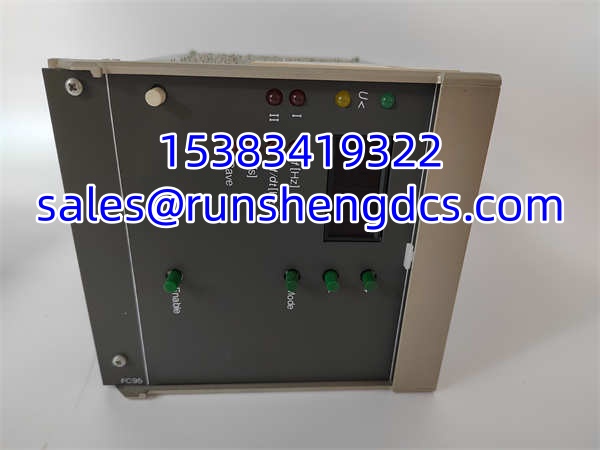

Description
Key Technical Specifications
| Parameter | Specification |
|---|---|
| Product Model | FC95-22 |
| Manufacturer | ABB |
| Alternative Part Numbers | HESG440295R2, HESG448688R22 |
| Product Line | Industrial Control Systems |
| Processor | High-performance LD instruction processor |
| Memory | Large capacity storage for parameters and logic |
| I/O Interface | Extensive input/output options for field integration |
| HMI Interface | Rich human-machine interface ports |
| Mounting | Panel / Rack Mount |
| Application | Energy, Power Control, Manufacturing Automation |
Product Introduction
Legacy control boards don’t fail gracefully; they just stop, leaving you with a silent cabinet and a screaming operations manager. The ABB FC95-22 is the brain in a lot of older power and process control racks, handling the logic that keeps turbines spinning and valves modulating. It’s not some cloud-connected AI; it’s a workhorse that takes 24/7 abuse in hot, dusty cabinets and keeps doing its job.
We specify the HESG440295R2 or HESG448688R22 because they’re often cross-compatible, but don’t get lazy with the swap. I’ve seen guys put a -22 revision in a slot expecting a -10 and spend three days chasing ground loops because the internal filtering changed. This board is bulletproof if you respect the grounding and keep the fans running, but treat it like a museum piece and it’ll fail the first time you bump the cabinet.
QA/QC Transparency SOP
We don’t just wipe the dust off and ship. Every FC95-22 goes through a five-step validation process before it ships:
- Intake & Origin Verification: We trace the HESG440295R2 batch code against OEM production records to rule out counterfeit clones. Visual inspection checks for cracked solder joints around the heavy connectors and the processor socket.
- Live Functional Testing: The unit is mounted on a live test rack where we load a test program and force I/O to verify the logic execution and memory integrity.
- Electrical Parameter Tests: Using a Fluke 115, we check the 5V and 24V rails under load to ensure the onboard regulators aren’t drifting.
- Firmware/Config Verification: We read the internal firmware version and compare it against the requested revision. If the previous user left custom parameters, we perform a factory reset.
- Final QC & Anti-Static Packaging: Unit is cleaned with contact-safe solvent, sealed in an ESD bag with desiccant, and shipped with a test certificate showing the actual measured firmware version.
Field Engineer Gotchas
- The Firmware Trap: HESG448688R22 and HESG440295R2 look identical, but the firmware inside can be totally different. War Story: I’ve seen a tech swap a board, power up, and watch the “System Fault” LED stay solid red because the new board had a newer firmware that didn’t like the old parameter file. Always, always back up your parameters before pulling the old board.
- The Dead Battery: Check the CR2032 battery. If that battery is dead, you’re rebuilding the logic from scratch. Warning: I’ve seen systems refuse to boot because someone assumed the supercap would hold the memory. It won’t. If the board has been sitting on a shelf for 5 years, the battery is dead. Replace it before powering up.
- Ground Loop Ghosts: This board is picky about grounding. If you swap it and suddenly get intermittent I/O errors, check your ground. Solution: Verify the ground strap on the backplane is tight. I’ve seen guys spend three days chasing a “ghost” fault that was just a loose ground screw on the rack rail.
- Revision Mismatch: Don’t assume HESG440295R2 is a direct drop-in for HESG440295R1. The internal filtering or component tolerances might have changed. Check: Verify the revision suffix on the old board. If it’s different, have your parameter backup ready and expect to tweak PID gains or filter settings.
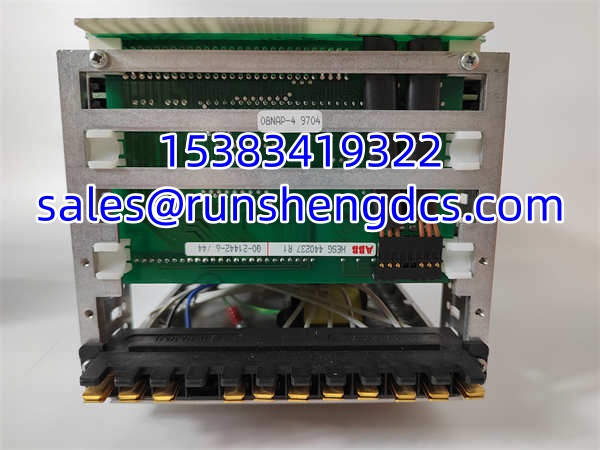
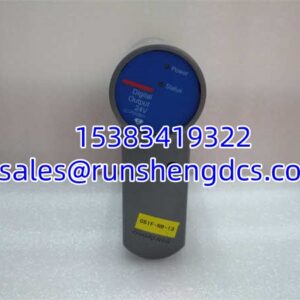
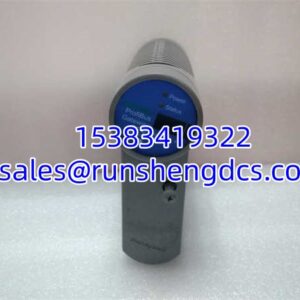
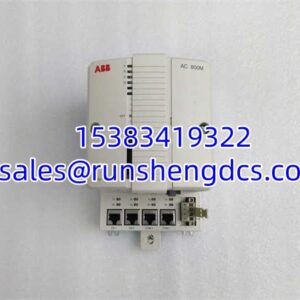
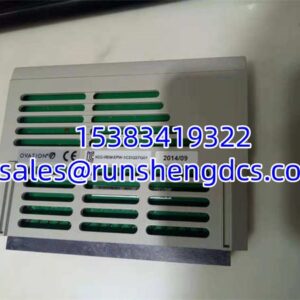
ABB FC95-22 HESG440295R2 HESG448688R22
Application Scenarios
- Legacy Power Generation: In 30-year-old turbine control systems, the FC95-22 is often the only spare left. It handles the overspeed protection logic that newer PLCs can’t replicate without a full retrofit.
- Industrial Process Control: Cement kilns and steel rolling mills rely on this board for temperature and pressure loops. The HESG448688R22 provides the deterministic scan time needed to prevent thermal runaway.
- Energy Management Systems: Substation automation racks use these for feeder protection coordination. When the main breaker trips, this board is the one deciding if it was a fault or a nuisance.
FAQ
Can I hot-swap this control module?
No. The FC95-22 does not support hot-swapping. You will corrupt the backplane bus and potentially fry the CPU. Power down. It takes 5 minutes. Don’t be a hero.
The “System Fault” LED is solid red. What do I do?
Check the battery first. If it’s good, you likely have a parameter mismatch or a corrupted flash. Try a cold reset (power off for 60 seconds). If it persists, your backup file might be from a different firmware revision. Verify the revision matches your system documentation.
Physically, yes. Functionally, maybe. They share the same platform, but the internal ROM can differ. I’ve seen them work as direct swaps, and I’ve seen them refuse to boot. Always have your parameter backup ready before swapping these two.
How do I check the firmware version?
You need the ABB configuration tool (like Control Builder or the legacy equivalent). Connect via the HMI port, go to “System Info,” and look for the ROM version. If you can’t connect, the board might be in a fault state. Check the error code in the manual.
Can I replace the battery while the system is powered?
Technically, yes, the has a supercap for short-term retention. But I wouldn’t risk it. If the supercap is weak, you lose the parameters. Power down, swap the CR2032, and reload from backup. It’s safer.
Where can I find the manual?
Search for “ABB Hardware Manual” or ” Installation Guide.” Don’t guess the pinout. I’ve seen $10k boards turned into paperweights because someone assumed the 24V was on pin 1.
What is the MTBF?
ABB doesn’t publish a specific MTBF for the as it’s a legacy product. Field experience suggests 15-20 years for the electronics, but the accuracy degrades as internal capacitors age. Treat any over 15 years old as “suspect” until proven otherwise.