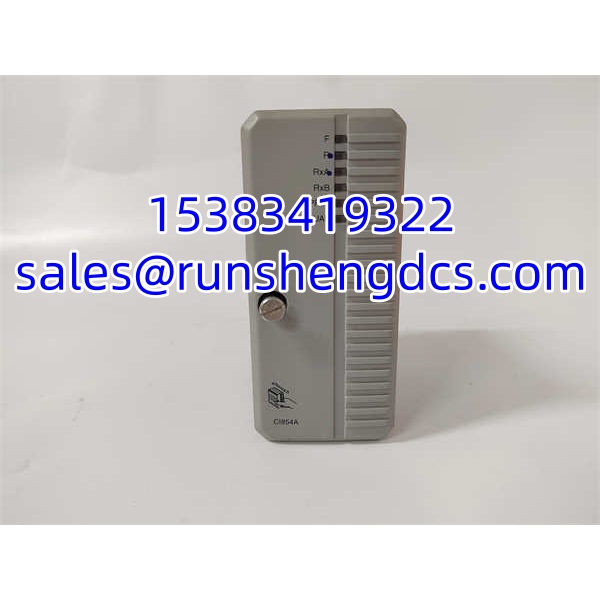

Description
Key Technical Specifications
| Parameter | Value |
|---|---|
| Protocol | PROFIBUS DP-V1 |
| Baud rate | 9.6 kbit/s to 12 Mbit/s (default 1.5 Mbit/s) |
| Ports | 2 × DB-9 female (RS-485), supports line redundancy |
| Master/Slave | PROFIBUS Master (AC 800M side); connects to DP slave devices |
| Max slaves per segment | Up to 126 nodes (PROFIBUS standard limit) |
| Bus termination | Switchable 220 Ω termination resistor (built-in) |
| Galvanic isolation | 500 V AC (PROFIBUS side) |
| Power supply | 24 V DC |
| Power consumption | ~190 mA @ 24 V DC (reference value for CI854A family) |
| Mounting | DIN rail; mounts on CEX bus in AC 800M I/O rack |
| Hot swap | Supported (CEX bus communication not interrupted) |
| Operating temperature | +5 °C to +55 °C (verify with OEM datasheet for exact revision) |
| Protection class | IP20 |
| Configuration tool | ABB Control Builder M / CBM software |
Product Introduction
PROFIBUS segments are unforgiving. A missing terminator, a swapped Data+/Data- pair, or an unsupported baud rate on a single slave can bring the entire segment down. The CI854A-eA sits at the head of that segment, translating AC 800M process data into PROFIBUS DP-V1 frames and managing the timing parameters that keep the bus stable.
This module is the workhorse for ABB plants that still run S800 I/O clusters or third-party PROFIBUS devices off an AC 800M controller. With dual ports, it supports line redundancy — a practical requirement when a single cable cut cannot be allowed to trip a unit. It supports up to 12 Mbps, though field practice usually caps at 1.5 or 3 Mbps for cable-length headroom. Bottom line — it is a proven, mature module, but it is now “Classic” lifecycle, so spare planning matters.
QA/QC Transparency SOP
- Intake & Origin Verification: Confirm model CI854A-eA, order number 3BSE030221R2, revision, and serial number against the nameplate. Inspect DB-9 connectors for bent pins and check the CEX bus edge connector for damage or corrosion.
- Live Functional Testing: Install the module in an AC 800M test rack with a compatible PM86x CPU. Power up and verify RUN/ERROR LED behavior. Confirm the module is detected on the CEX bus and that both PROFIBUS ports show link activity when connected to a test slave.
- Electrical Parameter Tests: Measure 24 V DC supply current and compare against the ~190 mA reference. Verify galvanic isolation between the PROFIBUS side and the CEX bus side. Check the built-in termination resistor with an ohmmeter.
- Firmware/Config Verification: Read module identity and firmware revision through Control Builder M. Confirm the revision is compatible with the installed 800xA system version. Back up the module configuration if applicable.
- Final QC & Anti-Static Packaging: Record all test results, photograph the nameplate and connectors, and pack in ESD-safe materials with DB-9 port protectors.
Field Engineer Gotchas
- CI854A vs. CI854B startup time: CI854A boots in ~5–6 seconds; CI854B takes ~25 seconds. If you replace an A with a B in a running system, the longer boot time can trigger false communication faults during the first power-up. Plan the swap accordingly.
- Termination errors: PROFIBUS requires termination at the two outermost nodes only. A common mistake is enabling termination on every device, which kills the signal. The CI854A has a built-in switchable 220 Ω resistor — verify its state matches the physical position on the bus.
- Baud rate mismatch: The module defaults to 1.5 Mbit/s but supports up to 12 Mbit/s. If a slave on the segment does not support the selected rate, communication fails. Use CBM software to validate all slave device capabilities before setting the bus speed.
- Redundancy wiring: Dual ports support line redundancy, but both ports must be wired correctly to separate segments or a redundant ring. Crossing them on the same daisy chain defeats the purpose.
- Classic lifecycle status: is listed as “Classic” and CI854B is the replacement for new installs. If you are stocking spares, confirm whether your 800xA version supports CI854B as a drop-in replacement (generally yes from 800xA 6.0 onward).
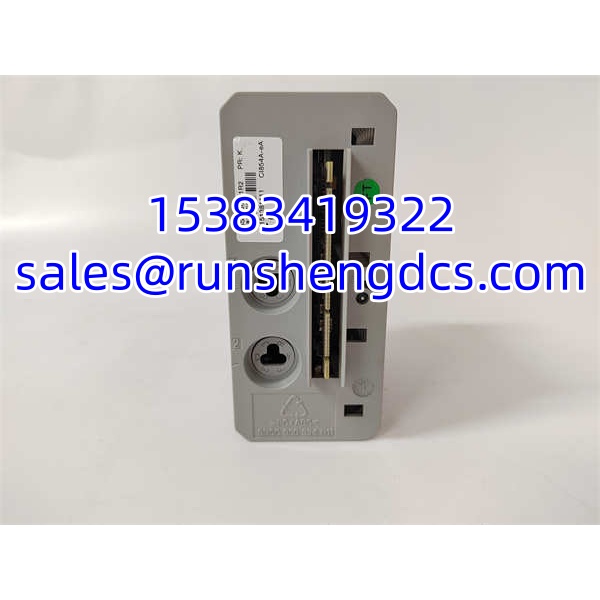
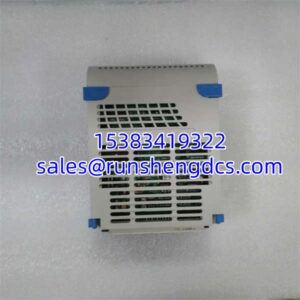
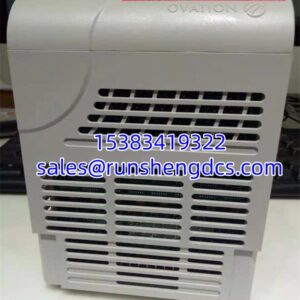
ABB CI854A-eA 3BSE030221R2
Application Scenarios
- Refinery remote I/O cluster: Connects S800 I/O stations located 300+ meters from the AC 800M controller via PROFIBUS DP, reducing marshalling cabinet wiring.
- Cement plant drive control: Interfaces with ABB ACS880 drives on PROFIBUS for speed reference, torque feedback, and fault diagnostics from the AC 800M.
- Power plant auxiliary systems: Links third-party PROFIBUS-enabled MCCs and motor protection relays to the DCS for status monitoring and interlock logic.
- Water treatment plant: Communicates with intelligent flow meters, analyzers, and VFDs over a single PROFIBUS segment, minimizing analog wiring runs.
FAQ
Generally yes, from 800xA version 6.0 onward. But CI854B has a longer startup time (~25 s vs. ~5–6 s), so verify the impact on your redundancy scheme and fault timers before swapping.
Does this module support PROFIBUS PA?
Not directly. PROFIBUS PA devices connect via a linking device such as the ABB LD 800P, which bridges DP to PA.
How many slaves can I connect?
PROFIBUS DP supports up to 126 nodes per segment. The practical limit depends on bus load, baud rate, and cycle time — use CBM software to validate.
Is it hot-swappable?
Yes. The supports hot swap on the CEX bus without interrupting controller communication.
What is the difference between 3BSE030220R1 and 3BSE030221R2?
Both are variants. The -eA suffix and R2 revision typically indicate a specific configuration or regional variant. Confirm the exact differences with the ABB hardware manual or your supplier before procurement.
Does it support redundancy?
Yes. Two modules can be configured for PROFIBUS master redundancy, and the dual ports support line redundancy.
What configuration software is required?
ABB Control Builder M for AC 800M programming, plus the CBM (Configuration Bus Manager) tool for PROFIBUS bus parameter calculation and validation.