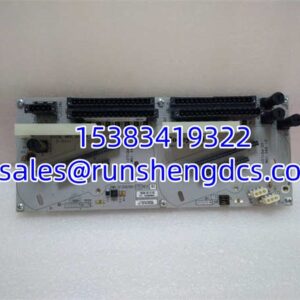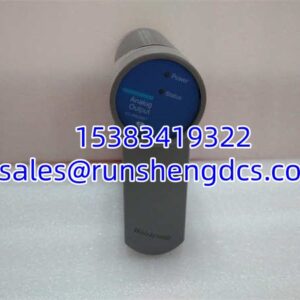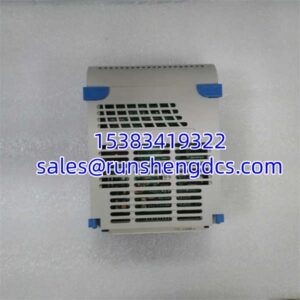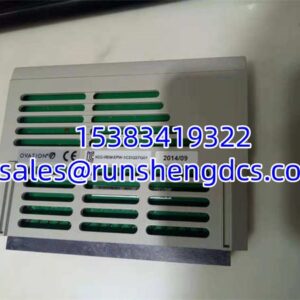

Description
Key Technical Specifications
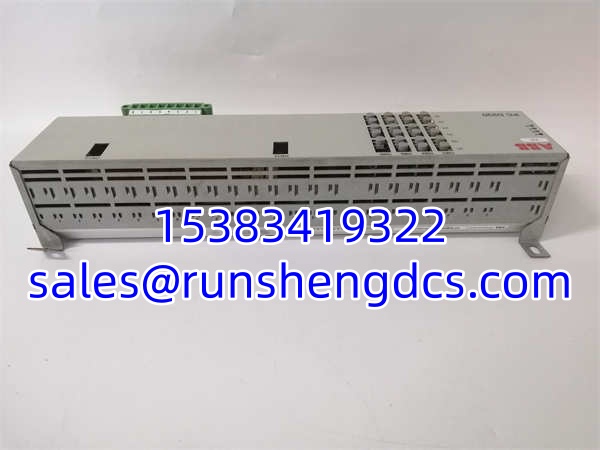
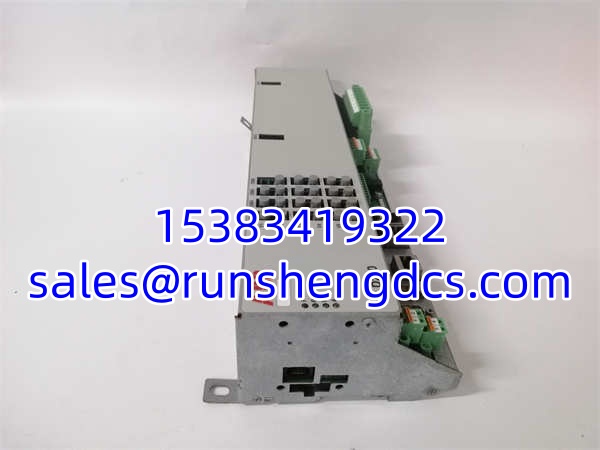
- Product Model: 3BHE022291R0101 PCD230A
- Manufacturer: ABB
- Product Type: Excitation System Measurement Board (CCM)
- Processor: High-Performance Industrial CPU
- Communication: Modbus, Profibus, Ethernet/IP
- Operating Temp: -20°C to +70°C (Industrial Grade)
- Power Supply: 24V DC or 110/220V AC (Optional)
- Protection: IP20 (Standard Cabinet), Self-Diagnostic
- I/O Capacity: Expandable (Analog/Digital/Temperature)
- Application: Generator Excitation Control, Grid Voltage/Freq Regulation
Product Introduction
Generator tripping due to excitation faults is often traced to a failing measurement board, not the power rectifier. The ABB 3BHE022291R0101 PCD230A is the CCM (Control & Communication Module) that serves as the brain of the UNITROL excitation system, handling real-time data acquisition and complex control algorithms to maintain grid stability. It’s the difference between a smooth voltage response and a catastrophic unit trip.
This board is built for the harsh electrical environment inside an excitation cabinet. With a high-performance industrial CPU and support for multiple fieldbus protocols (Modbus, Profibus, Ethernet/IP), the ABB 3BHE022291R0101 PCD230A integrates seamlessly with plant DCS while managing local control logic. Field experience shows these modules are generally reliable, but when they fail, they fail hard. Bottom line — if your excitation system is acting erratic, this is the first board to suspect and the most critical spare to have on the shelf.
QA/QC Transparency SOP
- Intake & Origin Verification: We inspect the ABB 3BHE022291R0101 PCD230A for physical damage, checking for cracked connectors, corrosion, or signs of overheating. We verify the PCD230A designation matches the label.
- Live Functional Testing: The module is installed in a UNITROL test rack. We simulate generator voltage/current inputs and verify the control output response matches the configured PID parameters within tolerance.
- Communication Tests: We establish Modbus/Profibus/Ethernet links and verify data integrity under load. No dropped packets or timeout errors allowed.
- Electrical Parameter Tests: Using a Fluke 87V, we check power supply rails and I/O isolation. Continuity tests ensure no backplane pin shorts exist.
- Final QC & Packaging: After a final visual inspection, the unit is sealed in anti-static shielding with desiccant to prevent moisture damage during storage.
Field Engineer Gotchas
Firmware/Configuration Mismatch
- Risk: The PCD230A has multiple firmware revisions. A replacement with different firmware can cause control instability or communication failures.
- Solution: Read the firmware version from the failing module before removal. Verify the replacement matches or is officially backward-compatible.
- War Story: Saw a generator lose sync because a tech swapped in a “newer” with different default filter constants. The excitation response was too slow for the grid code. Always check the rev.
Ground Loop Noise
- Risk: This board handles high-precision analog signals (voltage, current, power factor). Poor cabinet grounding introduces noise that looks like sensor failure or causes erratic control output.
- Solution: Verify the excitation cabinet ground is <1 ohm. Use isolated signal conditioners if field wiring runs near VFDs or power cables.
- Blunt Truth: 80% of “bad measurement board” calls are actually grounding issues. Fix the ground before RMA’ing the module.
DIP Switch/Jumper Configuration
- Risk: The uses DIP switches for node address, protocol selection, and hardware options. Incorrect settings = no communication or wrong control mode.
- Solution: Photograph the old module’s switch settings before removal. Consult the UNITROL manual for the exact map.
- Warning: Power must be OFF when changing DIP switches. Hot-switching can corrupt the internal EEPROM.
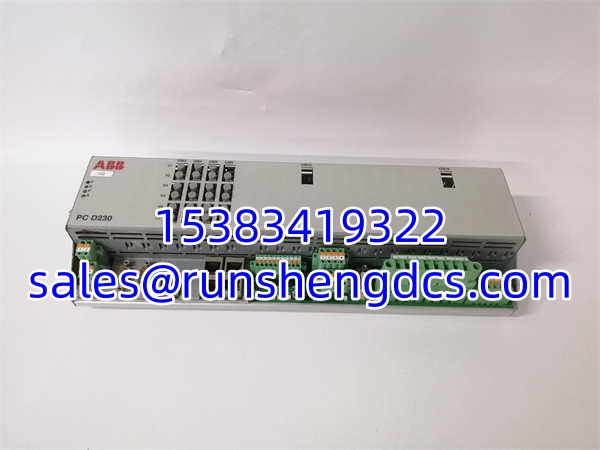
ABB 3BHE022291R0101 PCD230A
Application Scenarios
Thermal Power Generation: In 30MW+ coal/gas units, the ABB 3BHE022291R0101 manages the excitation current to maintain terminal voltage during load swings. It’s critical for grid code compliance and preventing unit trips during system disturbances.
Hydroelectric Plants: Water turbine generators experience rapid load changes. The ’s high-speed processing ensures the excitation system responds fast enough to maintain frequency stability, especially during islanding events.
Real-World Case Study: A combined-cycle plant experienced recurring excitation system alarms. The ops team replaced the power rectifier and field breaker. We pulled the ABB 3BHE022291R0101 and found the internal voltage reference had drifted due to age. Replacing the module and recalibrating the feedback loop restored stable operation within 4 hours.
FAQ
Is the 3BHE022291R0101 compatible with older UNITROL systems?
Generally yes, but verify the suffix. The is a common designation, but hardware revisions exist. Check the exact model number on the nameplate and cross-reference with the ABB compatibility matrix.
Can I hot-swap this module?
No. The is not designed for hot-swapping. Power down the excitation system or isolate the module via the disconnect switch if equipped. Pulling it live will likely damage the backplane or the module itself.
What communication protocols does it support?
Modbus RTU/TCP, Profibus DP, and Ethernet/IP are standard. The active protocol is determined by DIP switches and firmware configuration. Check the physical switches and the software project file.
How do I know if the board is actually bad?
If the “Fault” LED is solid red, or if analog readings drift >1% despite stable field inputs and verified wiring, the module is likely failed. Rule out field wiring and power supply first.
Do you provide a calibration certificate?
Yes. Every tested unit ships with a test report showing I/O accuracy, communication response, and functional test results. We don’t just say “it works”; we show you the data.
Is this module still supported by ABB?
It is considered a legacy product. ABB has migrated to newer excitation platforms. For existing UNITROL installations, surplus and refurbished modules are the primary maintenance path.
What is the typical lead time?
If in stock, ships same-day. If sourcing is required, expect 2-3 weeks for testing and verification. We don’t ship untested cores.