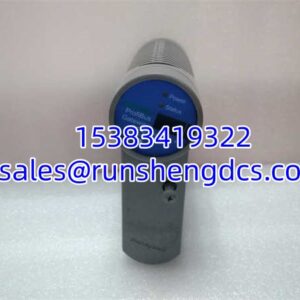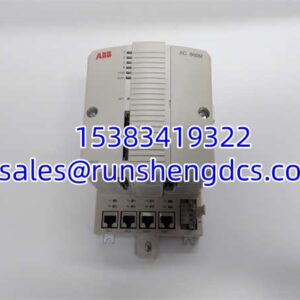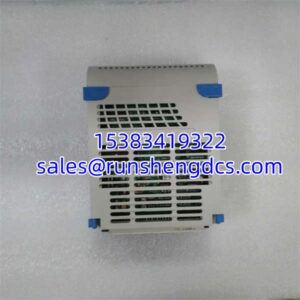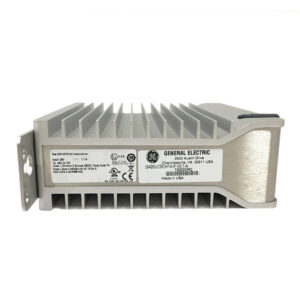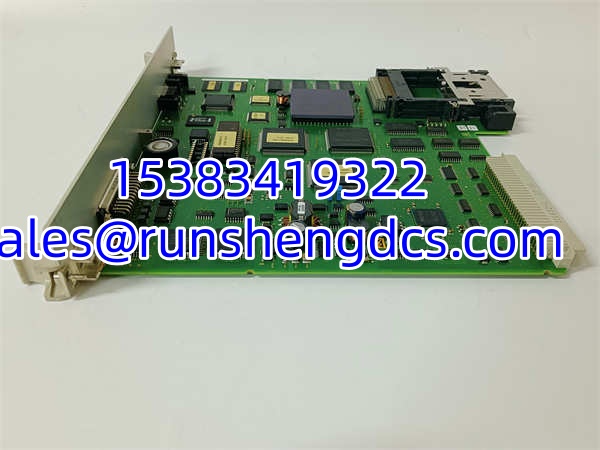

Description
Key Technical Specifications
| Parameter | Specification |
|---|---|
| Product Type | Digital Signal Processing (DSP) Processor Module |
| Model Designation | 216VC62A |
| Order Codes | HESG324442R13E, HESG324442R112F |
| Supply Voltage | 24VDC |
| Operating Temperature | 0°C to 60°C |
| Humidity Range | 5% to 95% (non-condensing typical) |
| Bus Interface | B448C bus |
| Companion Units | 216AB61 (O/P signal unit), 216DB61 (I/P signal & trip unit) |
| Weight | Approx. 1 kg |
| Mounting | Control room panel / modular rack |
| Function | Protection logic execution, signal routing, trip command distribution |
| Certification | EU compliance |
Product Introduction
When a protection relay in a medium-voltage switchgear lineup needs to make a split-second trip decision, the processor behind it has to be fast, deterministic, and dead reliable. The 216VC62A is that processor. It sits inside ABB’s 216-series protection and control architecture, digesting digitized measurements from current and voltage transformers, running protection algorithms in software, and firing trip commands through the B448C bus to the 216AB61 output units and 216DB61 input/trip units. The signal and trip command allocation is entirely software-defined within this processor — which means the hardware is generic, but the application-specific behavior lives in the firmware and configuration loaded onto it.
The two order codes you’re seeing — HESG324442R13E and HESG324442R112F — represent different hardware revisions or configuration variants within the 216VC62A family. They share the same core DSP architecture and 24VDC supply, but the suffix differences may indicate different firmware loads, production date codes, or minor hardware revisions. Swapping one for the other without confirming firmware compatibility is a gamble. This module has been out of production, so you’re looking at surplus or used stock. Verify the exact order code on the physical unit against your system documentation before ordering.
QA/QC Transparency SOP
- Intake & Origin Verification: Confirm the full model number (216VC62A) and the exact order code (HESG324442R13E or HESG324442R112F) are clearly marked on the module label. Inspect for physical damage — cracked PCB, corroded traces, burnt components, or signs of liquid exposure. Check the date code and any revision markings.
- Live Functional Testing: Apply 24VDC supply on a test bench. Verify the module powers up cleanly — no excessive current draw, no thermal hot spots on the PCB. Confirm the B448C bus interface initializes. If test equipment for the B448C protocol is available, simulate a measurement input and verify the processor generates the expected trip/signal output pattern.
- Electrical Parameter Tests: Measure supply current under no-load and loaded conditions. Check insulation resistance between the 24VDC supply input and the bus/signal connections. Verify continuity on all external connector pins — a single corroded pin on a B448C bus connector can cause intermittent communication failures that are nearly impossible to diagnose in the field.
- Firmware/Config Verification: If the module has readable firmware or configuration memory, extract and document the version. Compare against the target system’s expected firmware revision. A mismatch here can cause the processor to misinterpret protection settings or fail to communicate with companion 216AB61/216DB61 units.
- Final QC & Anti-Static Packaging: Clear any site-specific configuration unless the buyer explicitly requests retention. Package in anti-static shielding with all connector protectors installed. Include a test record documenting power-on status, supply current readings, bus initialization results, and firmware version.
Field Engineer Gotchas
HESG324442R13E vs. HESG324442R112F Are Not Automatically Interchangeable
These two order codes belong to the same 216VC62A processor family, but the suffix difference likely indicates a hardware revision, firmware load, or configuration variant. Installing the wrong revision into an existing protection scheme could result in mismatched trip logic or bus communication failures. Pull the order code from the existing unit’s label before ordering a replacement. Match it exactly.
B448C Bus Wiring Is Not Plug-and-Play
The bus connects the 216VC62A to its companion 216AB61 and 216DB61 units. The bus wiring scheme — termination, cable type, segment length — has specific requirements. A missing termination resistor or a cable run that’s too long will cause intermittent bus errors that look like processor faults but are actually physical layer problems. Check bus termination and cable specs before blaming the processor.
Firmware Must Match the Protection Scheme
The protection functions on this processor are software-defined. The trip curves, pickup settings, and signal routing are all configured in firmware. If you install a surplus unit with a different firmware revision than what the original protection scheme was designed for, the relay may trip at wrong thresholds or fail to trip at all. Read the firmware version from the old unit before removal. Match it on the replacement.
24VDC Supply Quality Matters
This module runs on 24VDC. Noisy or unregulated supply voltage — common in older switchgear aux power systems — can cause erratic processor behavior, false trips, or complete lockups. Measure the actual supply voltage at the module terminals under load. It should be clean 24VDC ±10%.
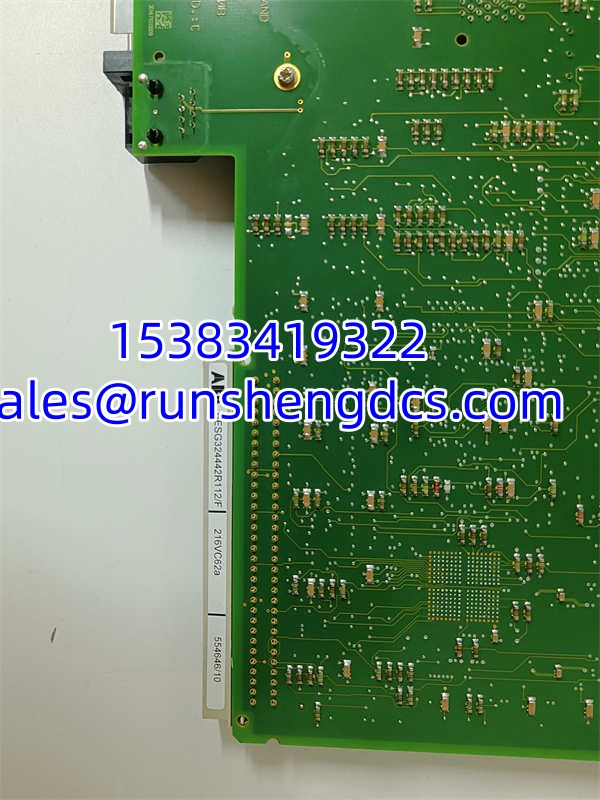
ABB 216VC62a HESG324442R13E HESG324442R112F
Application Scenarios
- Medium-voltage switchgear protection: The 216VC62A serves as the protection processor inside ABB 216-series relay cabinets, handling overcurrent, earth fault, and differential protection logic for MV feeders and transformers.
- Industrial motor protection: Large industrial motors in mining, cement, and petrochemical plants use 216-series protection systems where the 216VC62A processes current transformer signals and executes motor protection functions.
- Substation automation (legacy): Older substations built around ABB’s 216-series protection architecture rely on this processor as the central decision-making element, coordinating with I/O units for trip and indication outputs.
Field Case (Anonymized): A chemical processing plant in Southeast Asia had a 216-series protection system on their 11kV incoming feeder. The original 216VC62A processor began exhibiting intermittent bus communication errors with the 216AB61 output unit — the protection relay would occasionally fail to assert the trip output during routine testing. Maintenance sourced a surplus 216VC62A with order code HESG324442R13E, but the existing system was configured for HESG324442R112F. After installation, the bus errors persisted and the protection scheme failed to initialize properly. The root cause was twofold: the firmware revision on the R13E unit was incompatible with the existing protection configuration, and the bus cable had a corroded termination that had been masked by the original processor’s slightly different bus timing tolerance. Replacing the bus cable termination and sourcing a matching HESG324442R112F unit resolved both issues.
FAQ
What’s the difference between HESG324442R13E and ?
Both are order codes for the 216VC62A processor. The different suffixes likely indicate different hardware revisions, firmware loads, or production batches. They are not guaranteed to be drop-in replacements for each other. Match the exact order code from your existing installation before ordering.
Can I use this processor with non-ABB protection units?
No. The 216VC62A communicates via the bus, which is a proprietary ABB bus protocol designed specifically for the 216-series ecosystem (216AB61, 216DB61, etc.). It will not interface with third-party protection relays or I/O units without a dedicated protocol gateway — and even then, the protection logic timing requirements make this impractical.
Is the 216VC62A still in production?
No. This is a legacy product. ABB no longer manufactures the 216-series protection processors. Replacement units are only available through surplus stock, used equipment dealers, or third-party industrial automation suppliers. If you’re running a system built around this processor, plan for an eventual migration to a modern protection platform.
How do I verify the firmware version on this module?
The firmware version is typically displayed on the module’s front panel during boot-up, or readable via the bus using ABB’s legacy commissioning tools for the 216-series. If you don’t have access to the commissioning software, check the module label — some revisions have the firmware version printed directly on the sticker.
What happens if I install this processor without any companion units?
The 216VC62A will power up and run its internal self-diagnostics, but without the 216AB61 and 216DB61 units connected via the bus, it has no signal outputs or trip outputs. It’s a processor with nothing to talk to. The module exists specifically to coordinate with its companion units — running it standalone has no practical value.