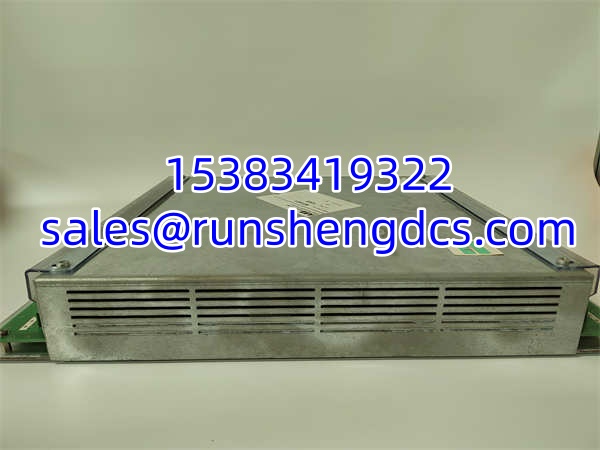

Description
Key Technical Specifications
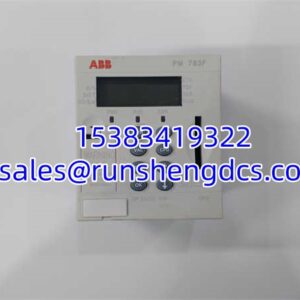
- Product Model: ABB 216GD61A HESG324436R3-A HESG324428
- Manufacturer: ABB
- Product Type: Controller Module
- Processing Speed: 50 MHz
- Program Memory: 16 MB
- Data Memory: 256 MB
- Input Voltage: 18-56 VDC (Nominal 24 VDC)
- Communication: Genius Bus Protocol, 10/100 Mbps Ethernet
- I/O Update Rate: 4 ms per channel
- Operating Temp: 0°C to 60°C
- Product Certification: CE
- Origin: Sweden
Product Introduction
Legacy control systems in chemical plants and water treatment facilities often face a critical juncture when proprietary controller modules fail and OEM support vanishes. The ABB 216GD61A HESG324436R3-A HESG324428 serves as the central processing unit in these aging architectures, managing everything from motor torque to thermal regulation. It’s not just a circuit board; it’s the operational brain that keeps decades-old infrastructure from becoming scrap metal.
Engineers source the ABB 216GD61A HESG324436R3-A HESG324428 because it offers a specific blend of processing power and legacy protocol support that modern replacements often lack. With 16MB of program memory and native Genius Bus integration, it handles I/O updates every 4ms without breaking a sweat. Bottom line — it’s a proven workhorse, but treat it like the vintage hardware it is. Verify your power supply is clean; these boards hate ripple.
QA/QC Transparency SOP
- Intake & Origin Verification: We verify the ABB 216GD61A HESG324436R3-A HESG324428 against ABB manufacturing records to confirm the HESG324436R3-A revision matches your system, preventing costly compatibility mismatches.
- Live Functional Testing: Each module is mounted on a test rack to validate the 50MHz processor and 16MB memory integrity. We simulate Genius Bus traffic to ensure the 4ms I/O update rate holds under load.
- Electrical Parameter Tests: Using calibrated multimeters, we verify the 18-56 VDC input tolerance and check for internal shorts. Insulation resistance is tested to ensure no degradation from years of industrial heat.
- Firmware/Config Verification: We read out the onboard firmware and verify it matches the expected revision for the 216GD61A. Configuration parameters are backed up and cleared to factory defaults to prevent legacy logic conflicts.
- Final QC & Anti-Static Packaging: After passing all tests, the ABB 216GD61A HESG324436R3-A HESG324428 is sealed in anti-static shielding with desiccant packs. A QC sticker with test date and technician ID is applied before shipping.
Field Engineer Gotchas
- Power Supply Ripple: The requires clean 24 VDC. I’ve seen these modules reset randomly because the tech used a cheap, unregulated power supply with >5% ripple. Measure with an oscilloscope before blaming the board.
- Genius Bus Termination: This module relies on proper Genius Bus termination. I’ve spent hours troubleshooting “bad modules” that were actually just missing end-of-line resistors. Always verify your network topology before swapping hardware.
- Firmware Version Mismatch: The suffix matters. Dropping a newer revision into an older chassis can cause initialization failures. Always photograph the old module’s label before pulling it.
- ESD Sensitivity: The processor and memory chips are highly sensitive to electrostatic discharge. I’ve seen modules killed instantly by static shock in dry control rooms. Wear a grounding strap. No exceptions.
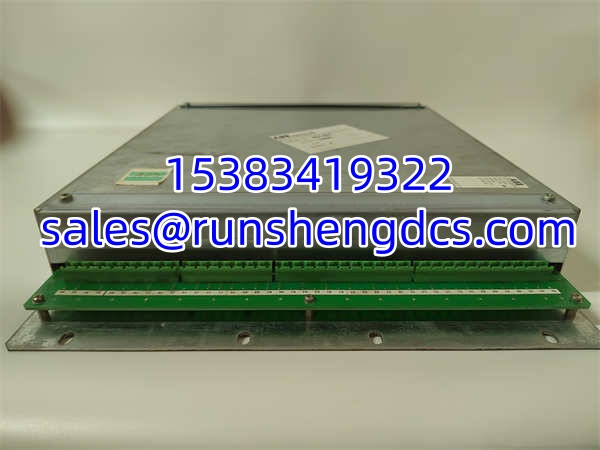
ABB 216GD61a HESG324436R3-A HESG324428
Application Scenarios
- Chemical Processing Plants: Maintaining precise temperature and pressure control in legacy reactors where upgrading the entire DCS is cost-prohibitive.
- Water Treatment Facilities: Regulating pump speeds and valve positions in aging infrastructure to prevent overflow or dry-run conditions.
- Paper Mills: Controlling web tension and motor torque on vintage winding machines to prevent breaks and maintain product quality.
FAQ
No. This module is designed for legacy ABB control systems with Genius Bus protocol. It is not compatible with modern Ethernet/IP or Profinet PLCs without extensive gateway hardware.
Is this module hot-swappable?
No. Never attempt to hot-swap the . Removing it while powered will disrupt the Genius Bus and can corrupt the system configuration. Always schedule a maintenance window.
What programming software do I need?
You will need the legacy ABB Compact Control Builder or equivalent software for the 216GD61A series. Ensure your software package supports the hardware revision.
Does this support Ethernet TCP/IP?
Yes, but only for specific ABB protocols. The has 10/100 Mbps Ethernet, but it’s not a general-purpose TCP/IP server. Verify your network requirements before purchasing.
How do I know if my Genius Bus is properly terminated?
Check the physical end of the bus. The requires a terminating resistor at the final node. If you’re experiencing intermittent communication errors, measure the bus resistance; it should read approximately 110 ohms.
Yes. Suffixes often indicate firmware revisions or minor hardware changes. The must match your system’s configured version, or you may face initialization failures. Send us a photo of your existing module’s label for verification.
Will this work with my old Advant OCS system?
Verify compatibility before purchasing. The is often used in newer industrial control applications. Older Advant systems may require different controller modules. Send us your system model number for confirmation.