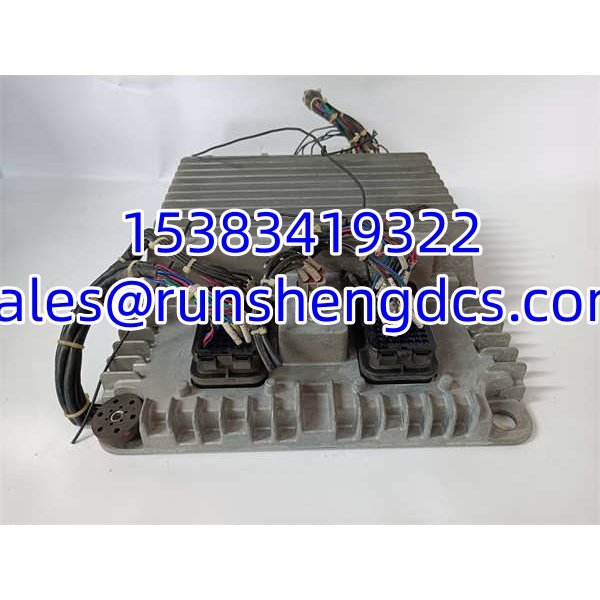

Description
Key Technical Specifications
| Parameter | Specification |
|---|---|
| Part Numbers | 8402-319, 8402-119 |
| Module Type | Servo Drive |
| Brand | Woodward |
| Control Loops | Integrated speed controller + current controller |
| Control Modes | Multiple configurable modes (verify per datasheet) |
| Communication Protocols | Multiple protocol support (verify per installed unit) |
| Feedback Monitoring | Real-time motor speed and current sensing |
| Operating Environment | Industrial-grade, high EMI immunity |
| Typical Industries | Petrochemical, power, pharmaceutical, food processing, tobacco, building automation |
| Country of Origin | USA |
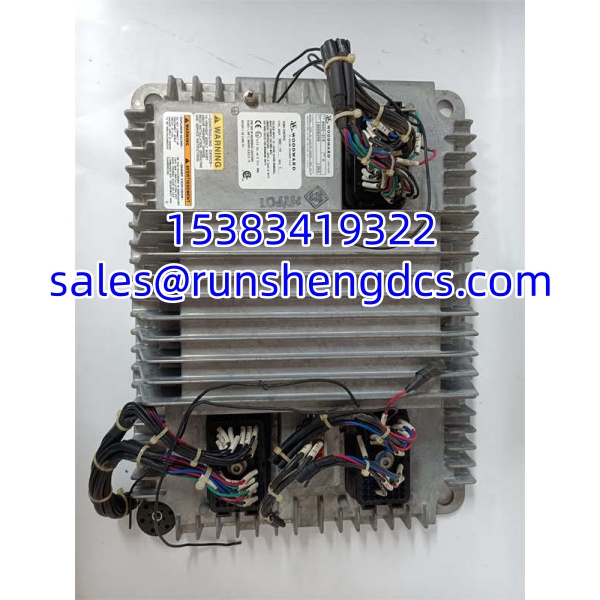
Product Introduction
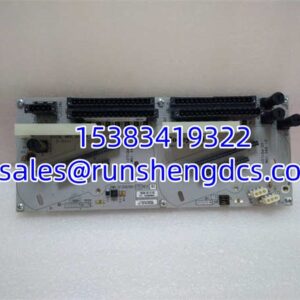
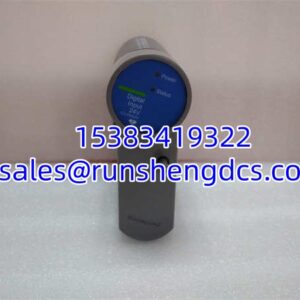
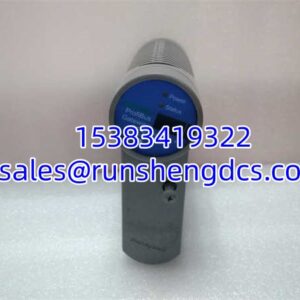
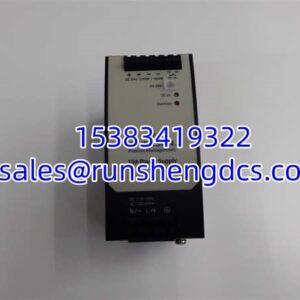
The Woodward 8402-319 and 8402-119 are servo drive modules from Woodward’s industrial motion control product line, designed to deliver precise motor speed and direction control in demanding automation environments. Each drive receives commands from a higher-level controller — typically a PLC, DCS, or dedicated motion controller — and translates those commands into regulated motor angular velocity and rotational direction. Internally, the drive integrates both a speed control loop and a current control loop, continuously monitoring motor speed and current in real time and adjusting output to maintain the commanded setpoint. This dual-loop architecture provides fast dynamic response and tight speed regulation, which is essential in applications such as valve actuation, pump speed control, and process line synchronization.
The 8402 series is engineered for industrial environments, with high reliability, stability, and electromagnetic interference resistance built in. It supports multiple communication protocols and configurable control modes, allowing integration into diverse automation architectures across petrochemical plants, power generation facilities, pharmaceutical production lines, and food processing equipment. The “-319” and “-119” suffixes denote specific hardware or firmware variants within the 8402 family — these may differ in communication interface, voltage rating, or firmware feature set. Because Woodward servo drives are often deployed in safety-adjacent or process-critical roles, verifying the exact part number and firmware revision against your installed unit is essential before procurement.
Troubleshooting Quick Reference
| Fault | Likely Cause | Relevancy | Quick Check | Fix |
|---|---|---|---|---|
| Motor not responding to speed command | Communication link fault or drive not enabled | High | Check communication cable; verify drive enable signal | Restore communication; verify enable wiring and PLC output |
| Speed oscillation or instability | PID tuning mismatch or feedback signal noise | High | Monitor speed feedback signal with oscilloscope | Retune speed/current loops; check encoder feedback wiring and shielding |
| Drive fault alarm active | Overcurrent, overtemperature, or feedback loss | High | Check drive status LEDs or diagnostic interface | Clear fault; verify motor wiring; check cooling; replace if internal fault persists |
| Communication timeout | Protocol mismatch or address conflict | Medium | Verify communication settings match controller configuration | Match baud rate, node address, and protocol settings on both ends |
| Inaccurate speed tracking | Current limit too low or mechanical load change | Medium | Compare commanded vs. actual speed in controller | Adjust current limit; verify mechanical coupling and load conditions |
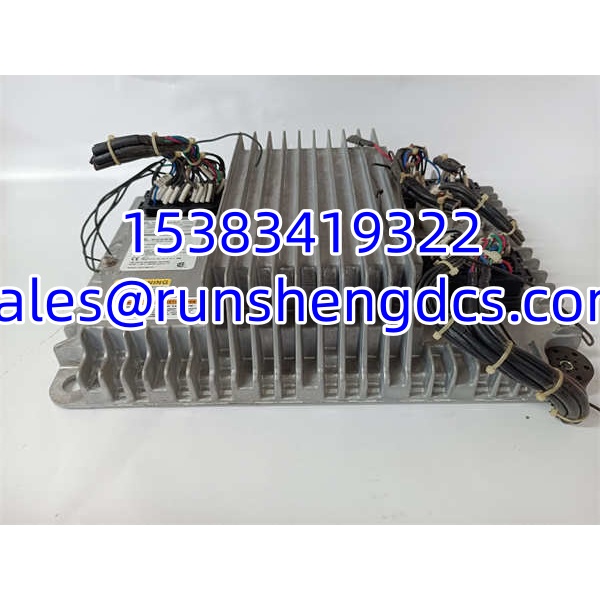
WOODWARD 8402-319 8402-119
Application Scenarios & Pain Points
Process valve actuation. In petrochemical and power plants, servo drives position control valves for flow, pressure, and temperature regulation. A sluggish or inaccurate drive response can cause process instability, off-spec product, or even safety-related excursions if the valve fails to reach its commanded position in time.
Pump speed control. Variable-speed pump applications rely on the servo drive to maintain precise flow rates under varying system head conditions. The integrated current loop protects the motor from overload while the speed loop maintains setpoint accuracy despite load disturbances.
Web processing synchronization. In converting and packaging lines, multiple driven rollers must maintain precise speed ratios to prevent web breakage or slack. The 8402 series’ fast response and tight speed regulation help maintain synchronization across multiple axes.