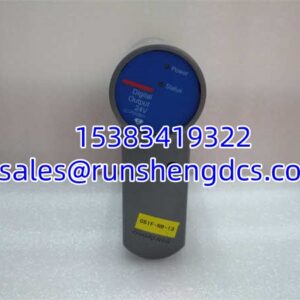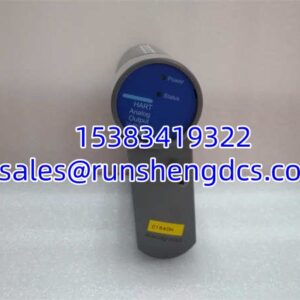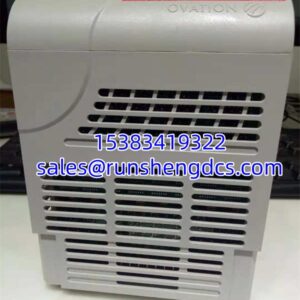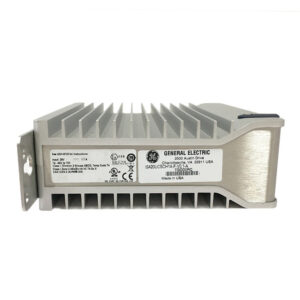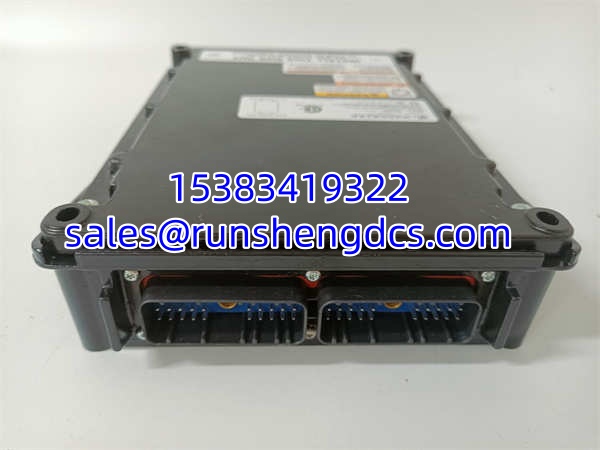

Description
Key Technical Specifications
- Product Model: 8237-1006
- Manufacturer: Woodward
- Power Requirements: 24 VDC ±10%, 1.5A max (Typ. 0.8A)
- Signal I/O: 4-20mA Speed Reference, 0-5V Sensor Inputs
- Relay Outputs: 2x Relay (5A Resistive)
- Communication: Modbus RTU over RS-485 (Up to 1,200m)
- Operating Temperature: -40°C to +70°C (Derate >55°C)
- Dimensions: 152 x 102 x 76 mm
- Mounting: DIN Rail or Panel Mount (50mm clearance required)
- Protection: IP65-Rated Enclosure / Sealed Connectors
Product Introduction
Turbine hunting at 0.5Hz? Server rooms downstream are crashing. The Woodward 8237-1006 is the electronic governor that keeps prime movers steady when the load swings. It doesn’t just hold a setpoint; it uses adaptive load compensation to adjust fuel flow during sudden transients, preventing the “nuisance trips” that plague data centers and refineries.
Why trust this specific module? It integrates Modbus RTU directly, eliminating the need for protocol gateways and saving thousands in integration costs. The firmware-driven calibration means no more fiddling with potentiometers; a handheld programmer cuts commissioning from hours to minutes. Bottom line: it’s the difference between a stable grid and a blackout. If your turbine can’t handle load rejection without overspeeding, this is your fix.
Troubleshooting Quick Reference
- Speed Hunting / Instability: 85% chance of gain settings or sensor noise. Check the 4-20mA speed reference signal for ripple. The 8237-1006 is sensitive to noisy inputs. Verify the “Adaptive Load Compensation” parameters aren’t too aggressive for your load profile.
- No Relay Output / Trip: 80% chance of wiring or logic fault. Measure voltage at the 2x relay outputs (5A resistive rating). If the coil is energized but contacts don’t close, the relay is mechanically stuck. Check the 24 VDC supply; if it sags below 21V under load, the module will lock out.
- Modbus Comm Failure: 70% chance of termination or grounding. The RS-485 port supports up to 1,200m, but long runs need termination. Verify 120-ohm termination at both ends. Check for ground loops; the 8237-1006 is isolated, but field wiring isn’t.
- Module Overtemp / Derating: 60% chance of airflow restriction. The 8237-1006 derates above 55°C. Measure the air temp inside the panel. If it’s >50°C, add a fan. The IP65 enclosure traps heat; don’t rely on passive cooling in desert installations.
- Calibration Drift: 50% chance of EEPROM corruption or sensor shift. Use the handheld programmer to run an auto-calibration. If the 0-5V sensor input reads incorrectly at zero, the internal ADC reference may be drifting.
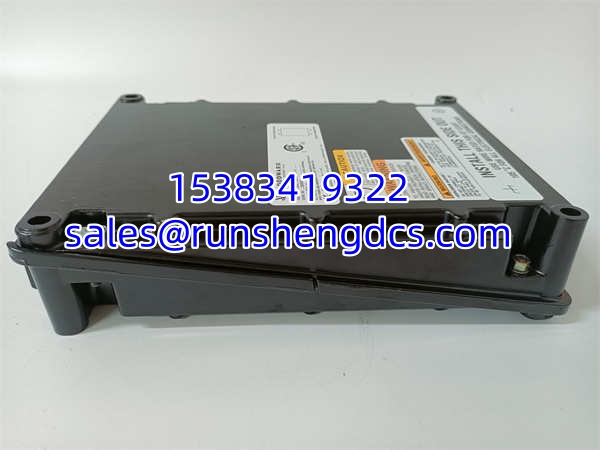
WOODWARD 8237-1006
Application Scenarios & Pain Points
- Data Center Backup Generators: Zero tolerance for frequency deviation. Pain Point: 0.5Hz fluctuation causes server crashes. Fix: The 8237-1006’s adaptive load compensation prevents 90% of nuisance trips during load steps. Verify the “Load Acceptance” rate limit matches your engine’s torque curve.
- Marine Tugboat Engines: Salt spray and washdowns. Pain Point: Corrosion on connectors causing intermittent faults. Fix: The IP65-rated enclosure and sealed connectors are rated for this. Apply dielectric grease to the harness. Check the DIN rail mounting; vibration loosens screws.
- Desert Solar/Wind Hybrid Plants: Extreme ambient heat. Pain Point: Governor derating causing power loss at noon. Fix: The 8237-1006 derates above 55°C. Install a dedicated vent fan blowing across the module. Don’t mount it directly above the VFD or power supply.