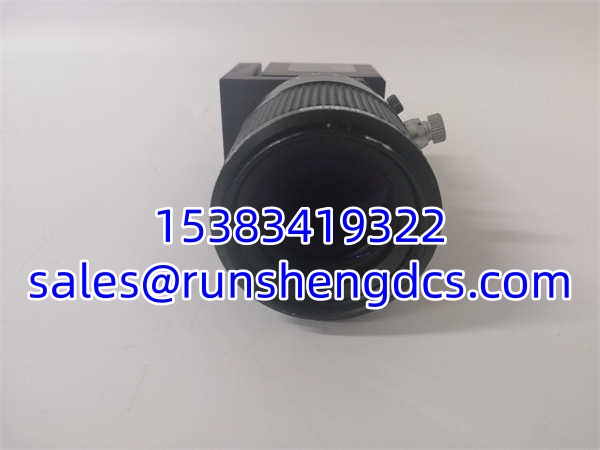

Description
Key Technical Specifications
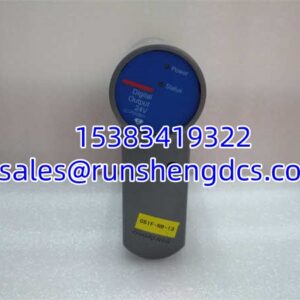
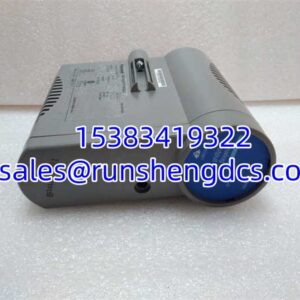
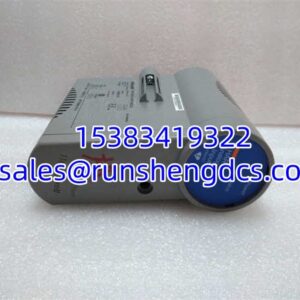
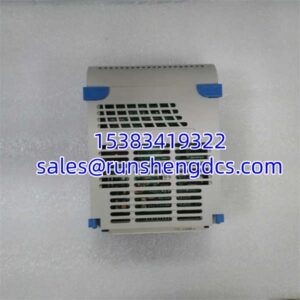
- Product Model: 661-0337
- Series Designation: PPT5200
- Manufacturer: PPT Vision
- Primary Function: Remote monitoring in automated industrial processes
- Application Domain: Industrial automation, process control
- Communication Interface: Verify on unit (typical PPT Vision modules use serial or proprietary bus)
- Mounting: Panel / DIN Rail (check physical form factor)
- Power Supply: Verify on nameplate (typical 24V DC for this class)
- Operating Environment: Industrial-rated enclosure
- Firmware/Config: Proprietary to PPT Vision platform
Product Introduction
PPT Vision modules like the 661-0337 PPT5200 show up in plants that have been running the same process control architecture for 15+ years. These units handle remote monitoring duties — pulling process data from the field and feeding it back to a central controller or SCADA system. When one fails, the plant doesn’t have the luxury of a weekend migration window. They need a drop-in replacement yesterday.
The PPT5200 series was built for industrial environments where uptime matters more than flashy features. It interfaces with existing automation networks to provide real-time process visibility. The catch? PPT Vision as a brand has limited modern support infrastructure. That means your replacement strategy depends entirely on finding verified surplus units with matching firmware and hardware revisions. No firmware updates. No online configurators. Just bolt-on and pray the protocol handshake works.
QA/QC Transparency SOP
- Intake & Origin Verification: We photograph the nameplate, including the 661-0337 part number and any date/serial codes. PPT Vision units often have revision letters stamped on the PCB. We cross-reference those against any available build documentation.
- Live Functional Testing: The PPT5200 gets powered up on a bench supply. We verify LED indicators, check for communication handshake on the bus interface, and confirm the unit responds to polling. A dead comms port is an automatic reject.
- Electrical Parameter Tests: Insulation resistance check on power input terminals. Continuity verification on all I/O pins. We’ve seen legacy modules with corroded terminal blocks that pass visual inspection but fail under load.
- Firmware/Config Verification: If the unit has a service port, we attempt to read the firmware revision. PPT Vision modules are notoriously picky about version matching. A mismatch means the host controller won’t recognize the module.
- Final QC & Anti-Static Packaging: Terminal blocks inspected for oxidation. Connectors cleaned. Packed in anti-static bag with rigid foam support. These units are old — rough handling during shipping is the last thing they need.
Field Engineer Gotchas
- Firmware Revision Mismatch: PPT Vision modules are not universally swappable within the same part number. A 661-0337 from 2008 may have different firmware than one from 2012. Solution: Read the firmware version off the old unit before it dies. Match it exactly. I’ve seen plants burn two days of downtime because someone assumed same part number = same firmware.
- Proprietary Bus Protocol: The PPT5200 likely communicates on a proprietary or semi-proprietary bus. You can’t just wire it to a Modbus scanner and expect data. Solution: Verify the host controller configuration matches the module’s expected protocol. If the original controller is also dead, you’re in a world of hurt.
- Capacitor Aging: These units are old. Electrolytic capacitors on the power supply section dry out over time. A unit that passes bench testing at low load may fail under full field load. Solution: If you’re buying surplus, ask if the capacitors have been inspected or replaced. Otherwise, budget for a potential field failure within 6 months.
- Missing Documentation: PPT Vision’s support infrastructure is essentially gone. No downloads, no manuals, no tech support line. Solution: Document everything from the physical unit before installation. Pinout, DIP switch settings, firmware version. Once it’s bolted in, you won’t get a second chance to read the nameplate.
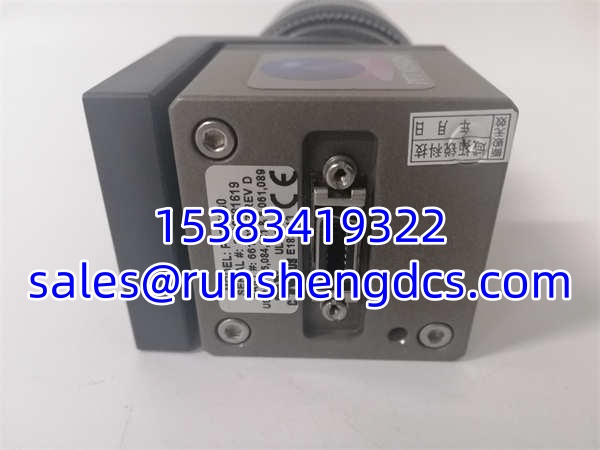
PPT VISION 661-0337 PPT5200
Application Scenarios
- Legacy Process Monitoring: Chemical plants and refineries with 20-year-old DCS systems often have PPT Vision modules handling remote I/O for auxiliary skids. When they fail, the entire process loop goes blind.
- Water Treatment Remote Stations: Unattended pump stations using PPT Vision for telemetry back to a central SCADA. The 661-0337 monitors level transmitters, flow meters, and valve positions.
- Manufacturing Line Supervision: Older automotive or packaging lines where the PPT5200 aggregates sensor data from conveyor zones before passing it upstream.
Case Study: A food processing plant had a PPT Vision remote monitoring module fail on a pasteurization skid. The unit was 18 years old. No OEM support existed. The plant sourced a verified surplus with matching firmware revision. Installed in 2 hours. The host controller recognized it immediately. Total downtime: one shift instead of the projected two weeks for a full system redesign.
FAQ
No. PPT Vision as a brand has minimal active support. The 661-0337 is sourced from surplus or verified used stock. Availability is unpredictable.
Can I replace this with a modern Modbus I/O module?
Technically yes, but you’ll need to reconfigure the host controller, rewrite the communication driver, and possibly modify the SCADA tags. That’s a project, not a replacement. The 661-0337 is the path of least resistance if you need uptime now.
What voltage does the 661-0337 require?
Verify on the nameplate. Most PPT Vision modules in this class run 24V DC, but some older variants use 12V or 48V. Do not apply power until you confirm the rating. Wrong voltage = dead module.
Does this unit support hot-swapping?
No. Power down the bus before removing or installing a module. Hot-swapping on proprietary bus systems can corrupt the host controller’s device table.
How do I verify the firmware version?
Check for a label on the PCB or a sticker inside the enclosure. Some PPT Vision units display firmware revision during boot-up on a connected terminal. If you can’t find it, contact the surplus vendor and ask them to read it before shipping.
Can I use this module with a different brand controller?
Unlikely without significant re-engineering. The 661-0337 was designed to communicate with specific PPT Vision host controllers. Mixing brands means reverse-engineering the protocol, which is expensive and unreliable.
What’s the expected lifespan of a surplus unit?
Depends on capacitor health and storage conditions. A unit stored in climate-controlled conditions may last another 10 years. One pulled from a hot, humid plant floor could fail in months. Ask the vendor about their testing protocol before purchasing.