
Description
Key Technical Specifications
- Product Model: IS200ERIOH1AAA
- Manufacturer: GE Industrial Systems
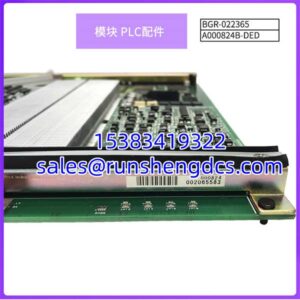
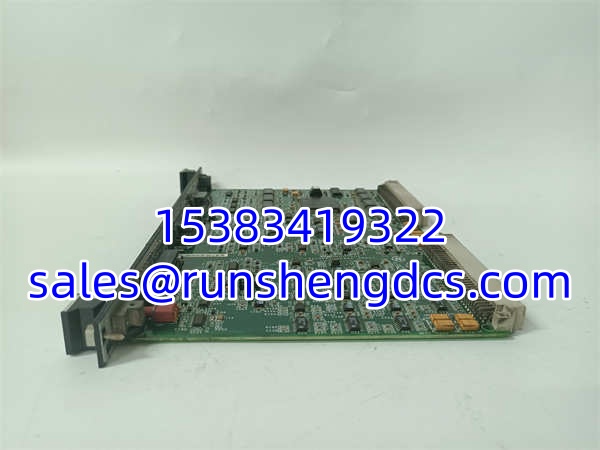
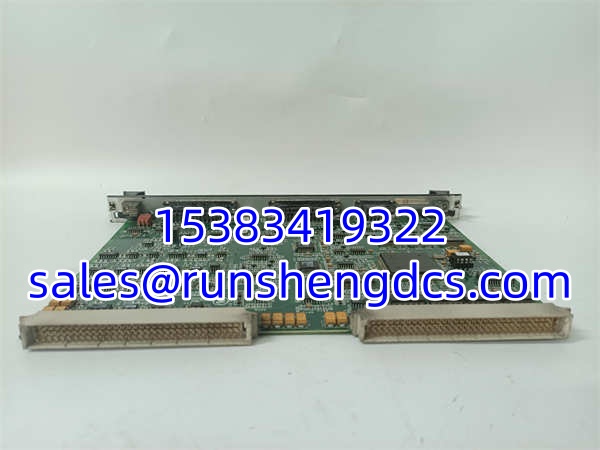
- Product Type: Excitation Regulator I/O Interface Board
- Input Voltage: 24 VDC (0-30 VDC Range, Pos/Neg Logic)
- Digital Inputs: 16 Points (Configurable)
- Relay Outputs: 16 Points (Max 2A per contact)
- Power Supply: 24 VDC Internal
- Communication: RS-485 Interface
- Protection: Over-current, Over-voltage, Thermal Shutdown
- Operating Temp: -40°C to +85°C (Board Level)
- Mounting: DIN Rail / Backplane (ERBP/ERRB)
- Dimensions: 13.39″ x 8.5″ x 2.17″
Product Introduction
You’re staring at a tripped excitation system, and the diagnostics point to a failed I/O interface. The GE IS200ERIOH1AAA is that exact board. It sits in the EX2100 or Mark VIe rack, acting as the physical gateway for all your discrete signals—limit switches, permissives, and relay outputs to the field. When this board dies, your turbine can’t sync, or worse, it trips on a phantom signal.
Bottom line—this isn’t a generic PLC card. The GE IS200ERIOH1AAA is purpose-built for generator excitation. It handles 16 digital inputs and 16 relay outputs, all isolated and protected against the electrical noise typical in turbine halls. With an operating range down to -40°C and built-in thermal protection, it’s designed to survive, but age catches up. We’re seeing these fail due to capacitor degradation or relay coil burnout after 15+ years. Secure tested spares now; waiting for a “factory repair” that no longer exists is a gamble you can’t afford.
Troubleshooting Quick Reference
- Fault: Single channel stuck ON/OFF. | Cause: Blown input resistor or stuck relay. | Relevancy: High (60% of field calls). | Quick Check: Force the point in software. Measure 24V at the terminal block. | Fix: If voltage is present but state doesn’t change, the input opto-isolator is dead. Replace IS200ERIOH1AAA.
- Fault: Entire bank of inputs unresponsive. | Cause: Blown internal 24V fuse or backplane power issue. | Relevancy: Medium-High. | Quick Check: Measure 24V at the board’s internal test points (if accessible) or backplane pins. | Fix: Check external 24V supply first. If supply is good but board is dead, internal protection circuit has failed.
- Fault: Relay chatter / Intermittent outputs. | Cause: Ground loop or failing output driver. | Relevancy: Medium. | Quick Check: Check grounding at the terminal block. Scope the output for noise. | Fix: Verify shield grounding. If chatter persists with clean power, the output transistor array is degrading.
- Fault: Communication errors with ERBP/ERRB. | Cause: Backplane connector corrosion or FPGA fault. | Relevancy: Low-Medium. | Quick Check: Reseat the board. Inspect backplane pins for oxidation. | Fix: Clean contacts with contact cleaner. If errors persist, the FPGA or bus interface is failing.
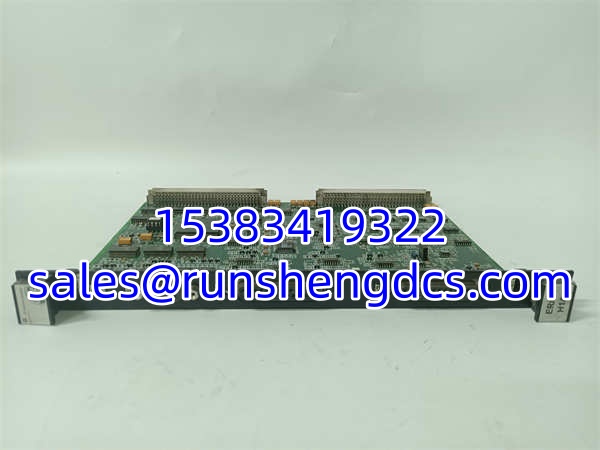
GE IS200ERIOH1AAA
Application Scenarios & Pain Points
- Turbine Hall Electrical Noise: Excitation systems sit inches from high-current bus ducts. The GE IS200ERIOH1AAA uses optical isolation on inputs to prevent ground loops from frying the controller, but over time, this isolation can degrade, leading to erratic trips.
- Relay Coil Burnout: Field wiring faults (shorts to ground) are common in aging plants. The IS200ERIOH1AAA has 2A relay limits; a single field short can weld contacts or blow the internal driver trace, taking out a whole output bank.
- Cold Start Failures: In hydro or wind plants, cabinets can drop to -20°C overnight. Electrolytic capacitors on older boards lose capacitance in the cold, causing brownouts during morning startup sequences.