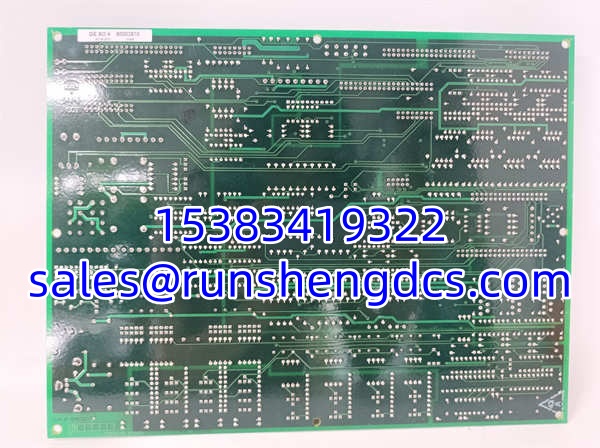

Description
Key Technical Specifications
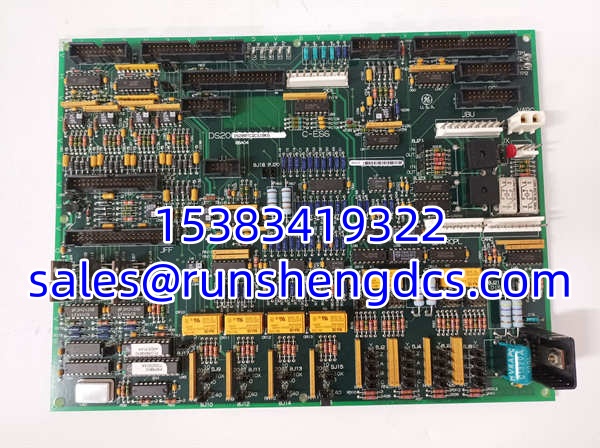
- Board Type: RST Overflow / Driver Control Terminal
- Jumper Count: 24 total (ID prefix BJ, e.g., BJ1, BJ24)
- 40-Pin Connectors: 3 units (IDs: JFF, JE, 6PL)
- 34-Pin Connectors: 3 units
- 16-Pin Connector: 1 unit (ID: JC)
- Thermal Management: Onboard heatsink with protruding design
- Clearance Requirement: Min. 3 inches from adjacent boards
- Series Compatibility: GE Mark V DS200 Turbine Control
- Mounting: Rack-mounted within Mark V chassis
- Application: Gas/Steam Turbine Control Systems
- Signal Function: Overflow protection and monitoring
- Configuration: Factory-set jumpers for site-specific processing
Product Introduction
Mark V turbine cabinets run hot. Tight. When you’re swapping a DS200TCQCG1BKG, the heatsink isn’t just a passive lump of metal—it’s a physical constraint. This RST overflow board handles signal distribution and overflow protection for the turbine control system, but ignore the 3-inch clearance rule and you’re risking thermal throttling or, worse, physical damage to adjacent cards during installation. Honestly, most field failures I’ve seen with this board weren’t electronic; they were mechanical. Someone forced it in, scratched a trace, or blocked airflow.
Bottom line—this card is workhorse infrastructure for GE Speedtronic Mark V systems. It doesn’t do fancy logic; it routes signals and protects against overflow conditions that could trip a turbine. With 24 configurable jumpers and specific connector IDs (JC, JFF, JE, 6PL), it’s site-specific. Don’t assume a pull from one unit fits another without verifying jumper settings. If your Mark V is throwing overflow alarms or driver faults, this is usually the first card to pull and inspect for physical damage or loose jumpers.
Troubleshooting Quick Reference
| Fault Symptom | Probable Cause | Relevancy | Quick Check | Fix |
|---|---|---|---|---|
| Overflow Alarm Active | Signal saturation or board fault | High (70%) | Check jumper settings vs. site docs | Reseat jumpers; verify BJ ID config |
| Intermittent Driver Fault | Poor connector contact | Medium (60%) | Inspect JFF/JE/6PL pins for oxidation | Clean contacts; reseat board firmly |
| Overtemp Warning | Blocked airflow / Heatsink contact | High (80%) | Measure clearance to adjacent boards | Ensure >3″ gap; clean heatsink fins |
| No Response / Dead Board | Power rail failure | Low (20%) | Measure voltage at JC 16-pin connector | Check backplane power; replace board |
| Physical Damage | Installation error | N/A | Visual inspection of PCB traces | Replace board; review install SOP |
Application Scenarios & Pain Points
- Gas Turbine Power Generation: High-vibration environments where connector seating degrades over time. The DS200TCQCG1BKG often fails at the 40-pin JFF interface due to micro-movements.
- Steam Turbine Retrofit Projects: Integrating legacy Mark V boards into modern monitoring. Pain point: Finding matching jumper configurations for obsolete site-specific setups.
- Marine Propulsion Control: Salt-air corrosion on the heatsink and connector pins. Standard industrial coatings aren’t enough; conformal coating inspection is mandatory before install.
- Petrochemical Cogeneration: Continuous duty cycles leading to heatsink thermal fatigue. The 3-inch clearance rule is often violated in cramped retrofit cabinets, causing premature board failure.
Field Note: Engineer at a combined-cycle plant faced repeated RST overflow trips after a planned outage. Initial diagnosis pointed to software. Real cause? A tech had installed the DS200TCQCG1BKG with only 1.5 inches of clearance to the adjacent I/O board. The heatsink was literally baking the neighbor card, causing intermittent signal corruption. Added a 3-inch spacer, cleared the alarm. Physics wins every time.
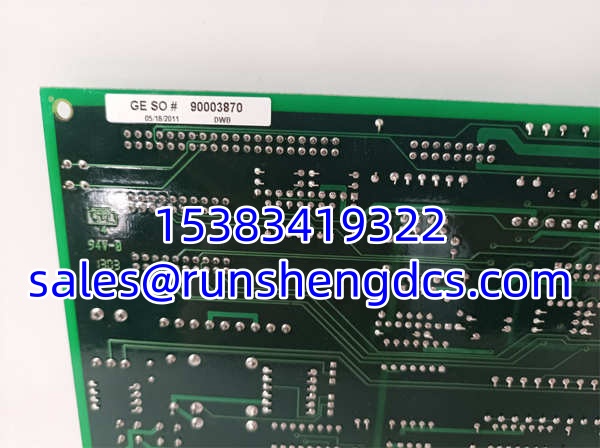
GE DS200TCQCG1BKG
Compatible Replacement Models
- ✅ Drop-in Replacement: DS200TCQCG1BKG (Exact match). Note: Verify jumper map. Even identical model numbers can have different factory jumper configs for different sites. Cost varies wildly (1,800–8,600) based on supplier and refurb level.
- ⚠️ Software Compatible: DS200TCQCG1A (Earlier revision). Requires jumper reconfiguration and potential firmware load. Labor: 2-4 hours for config + test. Not recommended unless NLA.
- ❌ Hardware Incompatible: DS200TCQCG2 (Different connector pinout). Do not force. Will not seat correctly and risks backplane damage. Requires full rack rework.