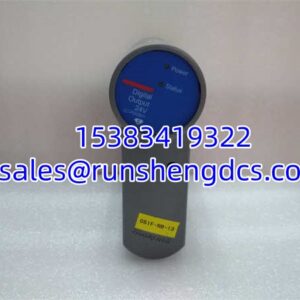
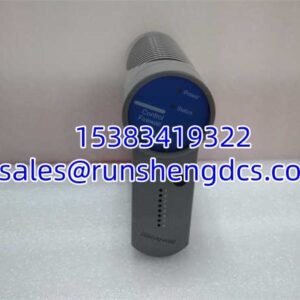
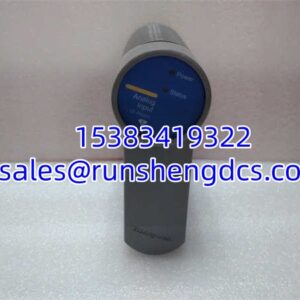
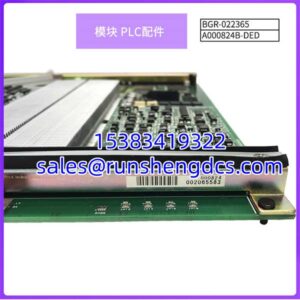
Description
Key Technical Specifications
| Parameter | Detail |
|---|---|
| Manufacturer | EMBEDDED |
| Model | EPCPCRA#136 B5 |
| Product Type | PLC/DCS control card module |
| Operating Voltage | 125 VDC (typical) |
| Operating Current | 120 mA (typical) |
| Power Consumption | 35 W (typical) |
| Interface Channels | 12 channels |
| Processing Speed | 30 M/S (as listed by suppliers; verify exact unit) |
| Typical Applications | Vibration monitoring, steam turbine control, power plant DCS |
| Service Life | Approximately 2 years (supplier claim; verify with OEM) |
| PCB Color | Green |
| Availability | Surplus/refurbished stock typical |
Product Introduction
When a vibration monitoring card goes dark on a turbine control rack, the entire protection loop is compromised. The EPCPCRA#136 B5 fills that specific gap — a 12-channel control module used in PLC and DCS systems for machinery protection and process control.
This card sits inside a larger automation rack, handling signal acquisition and control logic for critical rotating equipment. Its 125 VDC / 120 mA power profile and 12-channel interface make it suitable for turbine control, vibration monitoring, and other high-reliability process applications where discrete I/O density matters. Bottom line — it is a legacy replacement part, not a new-design component. Verify the PCB revision and channel mapping against your existing rack configuration before ordering.
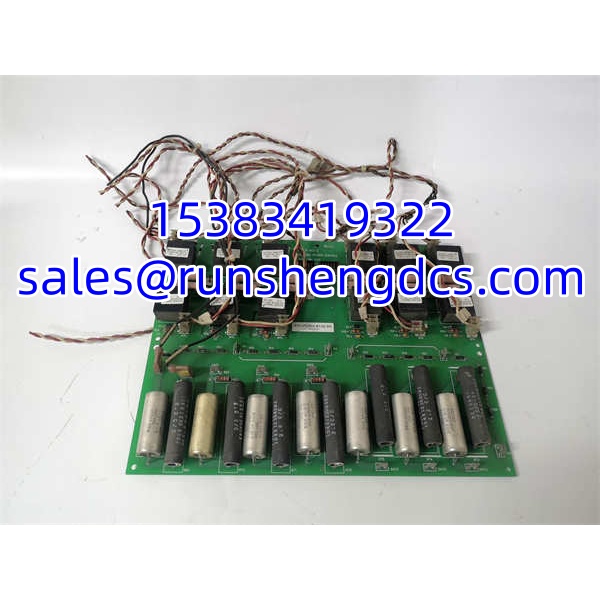
EMBEDDED EPCPCRA#136 B5
QA/QC Transparency SOP
- Intake & Origin Verification — Confirm model EPCPCRA#136 B5, PCB revision, serial number, and physical condition. Check for burnt traces, swollen capacitors, or bent backplane pins.
- Live Functional Testing — Install into a compatible PLC/DCS rack. Verify backplane registration, LED status indicators, and channel I/O response using a signal simulator.
- Electrical Parameter Tests — Measure 125 VDC supply draw against the 120 mA specification using a Fluke multimeter. Check insulation resistance and backplane contact continuity.
- Firmware/Config Verification — Read out any onboard firmware version and configuration data. Compare against the host system’s expected revision. Back up existing parameters before swap-out.
- Final QC & Anti-Static Packaging — Record all test readings, LED behavior, and firmware version. Pack in anti-static material with nameplate photos and a test summary sheet.
Field Engineer Gotchas
- Firmware revision mismatch is the silent killer. A replacement card with a different firmware level may register on the backplane but fail to execute logic correctly. Always compare firmware readouts before committing to a swap.
- “30 M/S” is ambiguous. Supplier listings cite this speed figure without clarifying the unit. Do not assume it matches your system’s bus speed or scan time requirement. Confirm with the host controller manual.
- 125 VDC is not universal. Some racks run on 24 VDC or 48 VDC. Applying the wrong supply voltage will destroy the card instantly. Verify your rack’s power rail before insertion.
- Channel mapping must match. The 12-channel interface must align with your existing I/O assignment. A mismatched channel map means the logic runs but reads the wrong signals — a dangerous failure mode in turbine protection.
- Service life claims are supplier estimates. The “2-year service life” figure comes from reseller listings, not OEM datasheets. Treat it as a rough guideline, not a warranty.
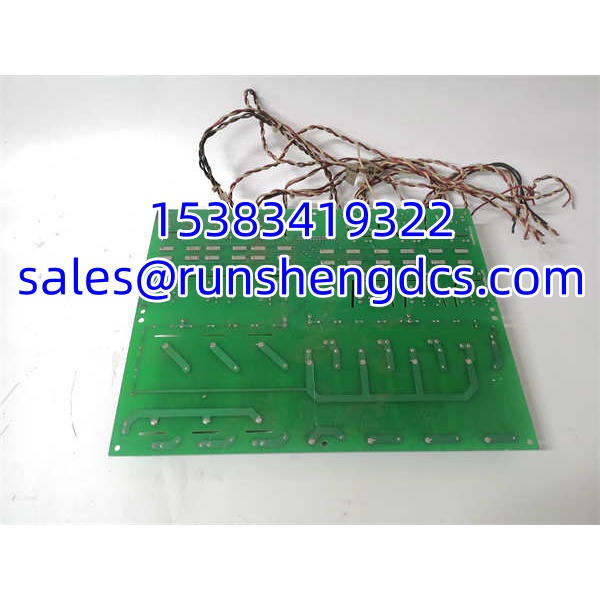
EMBEDDED EPCPCRA#136 B5
Application Scenarios
- Steam turbine vibration protection. The card processes vibration sensor inputs and triggers trip logic when thresholds are exceeded, preventing catastrophic rotor damage.
- Power plant DCS I/O expansion. Adds 12 channels of discrete or analog interface capacity to an existing PLC/DCS rack for auxiliary equipment monitoring.
- Rotating machinery condition monitoring. Interfaces with vibration transducers on pumps, compressors, or fans, feeding data to the host controller for trend analysis and alarm generation.
- Legacy system maintenance. Replaces a failed card in an aging turbine control system where OEM parts are no longer available through standard channels.
FAQ
What system does this card fit into?
It is designed for PLC/DCS racks used in turbine control and vibration monitoring applications. Confirm the backplane type and slot compatibility with your specific host system before ordering.
Is this an OEM-new part?
Typically no. This is a legacy module available through surplus and refurbishment channels. Expect tested used or refurbished stock with a reseller warranty.
Can I substitute it with a different brand?
Not directly. PLC/DCS cards are rack-specific. A replacement must match the backplane protocol, physical form factor, and I/O mapping of the original. Cross-brand substitution requires a full system redesign.
What does “30 M/S” mean in the specs?
The unit is unclear in supplier listings. It may refer to bus speed, scan rate, or data throughput. Do not rely on this figure for engineering calculations — verify with the OEM documentation or direct testing.
Does it support hot-swapping?
Only if your host rack explicitly supports hot-swap for this slot type. Many legacy DCS systems require a controlled power-down. Follow your site’s change management procedures.
How do I verify compatibility before purchase?
Provide the host rack model, slot type, existing card firmware version, and I/O channel requirements. A reputable supplier should confirm backplane compatibility and offer firmware matching.
What warranty should I expect?
Surplus suppliers commonly offer 12 months. Refurbished units may carry shorter terms. Verify the warranty covers functional failure, not just DOA (dead on arrival).