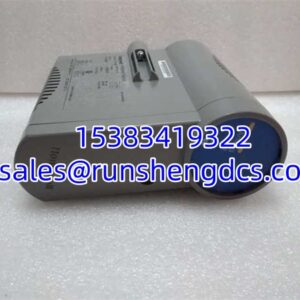
Description
Key Technical Specifications
- Product Type: Dual Channel Vibration Monitor
- Brand: Bently Nevada
- Input Type: Proximity Probe (Eddy Current)
- Channel Count: 2 Independent Channels
- System Compatibility: Bently Nevada 3300 Rack
- Installation Type: Rack-Mounted Module
- Application: Machinery Protection & Condition Monitoring
- Condition: New Surplus / Original Factory Packaging
- Customization: Non-customizable standard spare part
Product Introduction
When a multi-million dollar compressor starts vibrating violently, the last thing you want to worry about is a blind spot in your monitoring system. The Bently Nevada 3300/16-14-01-03-00-00-01 is a dual-channel vibration monitor designed to sit inside a 3300 rack and watch your shafts like a hawk. It takes raw signals from your eddy current probes and translates them into actionable vibration and displacement data. I’ve seen plants keep aging turbines running safely for years simply because they had a few of these exact boards sitting in a climate-controlled cabinet.
Engineers rely on this specific module because it provides continuous, real-time protection for critical assets. It handles two independent channels, meaning you can monitor both radial vibration and axial position on a single card, saving valuable rack space. Just be warned: this is a discontinued part. The secondary market is full of pulled, abused boards. If the front panel is scratched or the DIN connectors look pitted, do not trust it on a critical machine.
Quality SOP & Tech Pitfalls (The Reality Check)
Before any Bently Nevada 3300/16-14-01-03-00-00-01 leaves our bench, it goes through a strict protocol. We start with a visual counterfeit check, inspecting the PCB traces and Bently Nevada silkscreen. Next, it goes on a live 3300 test rack to verify dual-channel signal processing and alarm relay logic. We check insulation resistance with a Fluke 115 to ensure no internal shorts, verify the hardware revision against factory specs, and seal it in fresh anti-static packaging. I can provide the test video if you need peace of mind.
Here is the brutal reality of swapping these old boards: bad grounds and loose connectors cause 60% of false alarms. I once watched a tech spend four hours swapping a perfectly good 3300/16 module, only to find out the ClickLoc extension cable connector wasn’t clicked in all the way. Also, never assume the DIP switches are correct out of the box. If you don’t copy the switch settings exactly from the old board, the new module will either fault immediately or, worse, fail to trip when your shaft actually goes out of tolerance.
Installation & Configuration Guide
- Pre-Installation: ⚠️ SAFETY FIRST. Bypass the safety outputs in your logic solver or put the machine in a safe state. Power down the 3300 rack and wait 5 minutes for internal capacitors to discharge. Take high-resolution photos of the existing wiring and all DIP switch positions.
- Removal: Label every single wire with a sharpie. Release the DIN rail clips carefully; old plastic gets brittle and snaps if you force it.
- Installation: Copy the DIP/Jumper settings exactly. This step prevents 90% of startup failures. Slide the new Bently Nevada 3300/16-14-01-03-00-00-01 onto the DIN rail and press firmly until the backplane connector seats fully. Reconnect wires according to your photos.
- Power-On & Testing: Apply power to the 3300 rack. Watch the module LEDs. The fault light should blink briefly during boot, then go out. Verify the channel readings using the Bently software and check the output relays to ensure they are de-energized during normal operation.
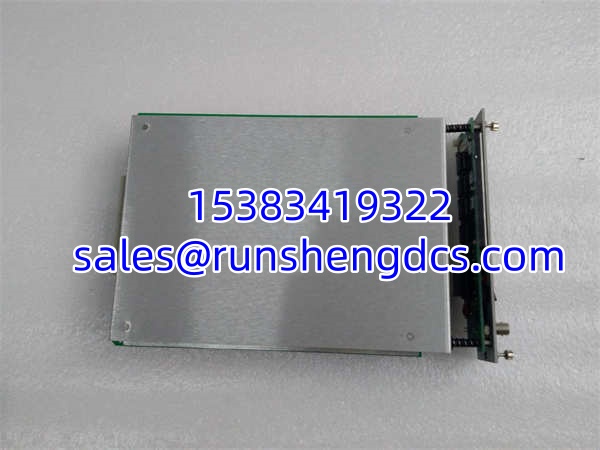
Bently Nevada 330016-14-01-03-00-00-01
Compatible Replacement Models
| Replacement Model | Compatibility Tier | Notes |
|---|---|---|
| Bently Nevada 3300/16-14-01-01-00-00-00 | ✅ Drop-in Replacement | Same family board. Hardware and software match, but always verify firmware compatibility. |
| Bently Nevada 3300/16-15-01-03-00-00-00 | ⚠️ Software Compatible | Alternate revision. May require checking DIP switch mapping or minor logic adjustments. |
| Bently Nevada 3500/42M | ⚠️ Software Compatible | Modern upgrade path. Requires new chassis, new wiring, and a complete logic recompile. |
Frequently Asked Questions (FAQ)
Can I hot-swap the 3300/16-14-01-03-00-00-01 while the rack is powered?
No. The legacy 3300 system does not support hot-swapping this module. Pulling it under load will cause a backplane fault and likely trip your machinery protection relays.
Why is my 3300/16 showing a BAD or OFF channel after installation?
Check your extension cable connectors first. The ClickLoc connectors must be pushed in until you hear a physical click. A loose connector causes signal jump and triggers a channel fault. Also, verify the probe gap voltage is within the linear range.
Is the 3300/16-14-01-03-00-00-01 still manufactured by Bently Nevada?
No, the 3300 series is officially obsolete. You are buying New Surplus or refurbished stock. Lead times vary wildly depending on who has it sitting on a shelf.
Can I use a standard multimeter to test the probe signal?
You can check the DC gap voltage at the proximitors, but to truly verify the vibration signal, you need an oscilloscope. A multimeter won’t capture the AC dynamic component that the 3300/16 actually processes.
Does this module have internal diagnostics?
Yes, it communicates fault states back to the 3300 rack via the backplane. If the board fails its internal self-test during boot, it will lock out and require a power cycle or replacement.
What happens if one of the two channels fails?
The failed channel will fault and de-energize its associated relays (depending on your relay logic). The other channel will continue to operate normally, but you have now lost redundancy on that specific bearing. Get a replacement ordered immediately.