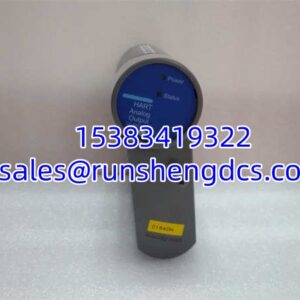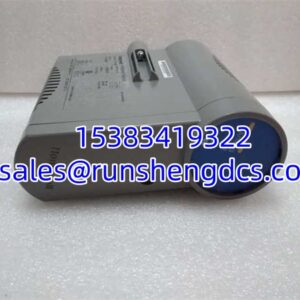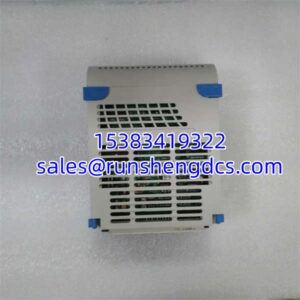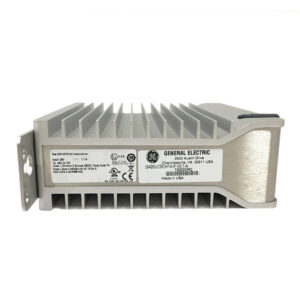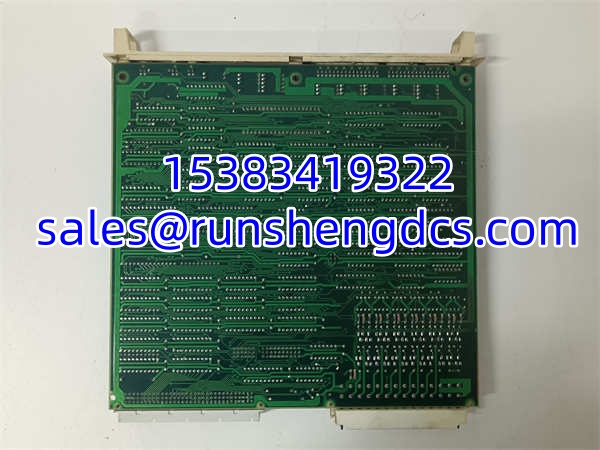

Description
Key Technical Specifications
| Parameter | Value / Notes |
|---|---|
| Product Type | MasterFieldbus Communication Unit |
| Part Number | DSCS131 57310001-LM |
| Brand / Origin | ABB / Sweden |
| Power Source | Backplane-powered (draws from system backplane) |
| Communication Type | MasterFieldbus (deterministic, redundant-ready) |
| Supported Topologies | Line, trunk/drop layouts |
| Form Factor | Standard ABB plug-in module |
| Physical Dimensions | 228.6 mm (L) × 321.3 mm (W) × 19.8 mm (H) |
| Net Weight | 0.46 kg |
| DCS Platform | ABB Master / Advant OCS legacy systems |
| Installation | Plug-in slot in compatible ABB DCS rack |
Product Introduction
When you’re keeping a 20-year-old ABB Advant DCS alive, the communication backbone is usually the first thing that starts giving you grief. Cables degrade, terminations corrode, and the occasional lightning strike takes out a comm module. The DSCS131 57310001-LM is the MasterFieldbus communication unit that sits in the rack and keeps controllers talking to their subsystem I/O nodes — it’s the backbone that holds deterministic, redundant-ready fieldbus traffic together across the DCS.
This module draws power directly from the system backplane, which means no separate power supply wiring to worry about during a swap. It plugs into the standard ABB module slot, so a field replacement is a pull-and-insert job (with ESD precautions). The deterministic communication design matters in batch and continuous process environments where predictable response times keep drive coordination and supervisory node synchronization from drifting. If your plant is still running an ABB Master or Advant OCS system, this is the type of module that keeps the lights on without forcing a full migration.
QA/QC Transparency SOP
For surplus DSCS131 57310001-LM units, here’s a credible pre-shipment test sequence:
- Intake & Origin Verification — Confirm the label reads DSCS131 with suffix 57310001-LM. Check for ABB branding, Sweden origin marking, date codes, and any revision stamps. Inspect the PCB for corrosion, lifted traces, or damaged backplane connector pins.
- Visual & Mechanical Inspection — Verify the module slides cleanly into a compatible ABB Advant rack slot without binding. Check that all connector faces are flat and undamaged. Confirm the form factor matches the 228.6 × 321.3 × 19.8 mm envelope.
- Live Functional Testing — Install the module in a powered ABB Advant backplane. Confirm the module powers up from the backplane without fault indication. Verify fieldbus communication with at least one known-good subsystem node — check that the controller recognizes the module and that deterministic polling completes without timeout errors.
- Electrical Parameter Tests — Measure backplane voltage draw with a calibrated multimeter (Fluke 87V or equivalent). Confirm current draw falls within expected range for this module type. Perform insulation resistance testing on any external fieldbus terminals per IEC 61010 practices.
- Final QC & Anti-Static Packaging — Clear any site-specific configuration to factory defaults if applicable. Package in ESD-safe bag with foam protection for the backplane connector. Include a test report documenting power-up status, fieldbus communication pass/fail, and backplane current draw.
Field Engineer Gotchas
Gotcha #1: Suffix code mismatch — -LM is not universal.
The DSCS131 family may ship with different suffix codes (-LM, -CM, etc.) that indicate different firmware loads, fieldbus configurations, or hardware revisions. A -CM unit may not behave identically to a -LM unit in your rack. Always match the full part number including suffix to your existing system BOM. I’ve seen plants order a “close enough” DSCS131 and spend two days chasing comm timeouts.
Gotcha #2: Backplane slot assignment matters.
This module draws power from the backplane and communicates through backplane bus lines. If you drop it into the wrong slot — one that doesn’t provide the expected bus routing or power rail — it won’t initialize. Check your Advant OCS rack configuration documentation for the correct slot assignment before inserting.
Gotcha #3: Fieldbus termination errors masquerading as module failures.
A new that won’t communicate might not be the module’s fault. Missing or incorrect terminators at the ends of a fieldbus trunk, damaged cable shielding, or a shorted drop line will cause comm failures that look exactly like a dead module. Verify cable integrity and termination before condemning the hardware.
Gotcha #4: ESD damage during hot insertion.
Even though this is a plug-in module, pulling or inserting it while the backplane is live without ESD precautions can damage the communication transceivers. Ground yourself. Use an ESD wrist strap. If you’re swapping this in a live rack, follow your plant’s hot-swap procedure — not all Advant configurations support live module insertion.
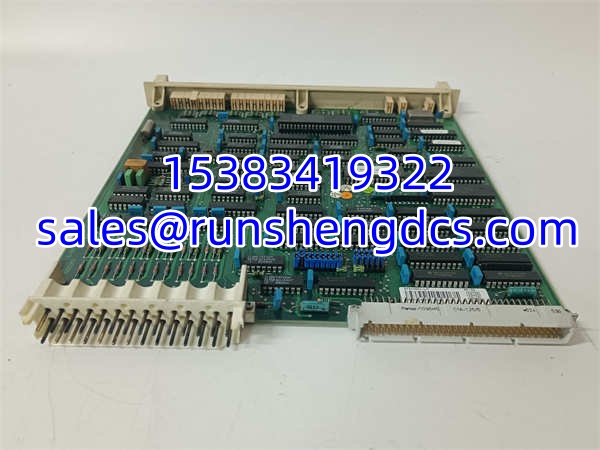
ABB DSCS131 57310001-LM
Application Scenarios
- Legacy ABB Advant OCS in pulp & paper mills — Maintaining fieldbus backbone connectivity between the central controller and distributed I/O subsystems controlling stock flow, refiner loads, and dryer section temperatures.
- Chemical batch processing plants — Keeping deterministic fieldbus communication alive between the Advant controller and batch sequencing nodes where timing predictability directly affects recipe execution accuracy.
- Power generation auxiliary systems — Supporting communication between legacy ABB Master controllers and BOP (balance of plant) subsystems such as cooling water, lube oil, and sootblower controls.
Case Study (Anonymized): A pulp mill running an ABB Advant OCS system experienced intermittent fieldbus communication drops on a controller rack. The operations team suspected the MasterFieldbus module and ordered a surplus replacement (57310001-LM). After installation, the drops continued. Root cause investigation revealed a corroded fieldbus terminator at the far end of a 200-meter trunk cable running through a wet pipe gallery. The module was fine — the cable termination was the problem. The replacement module was kept as a spare. Lesson: always check the physical layer before blaming the electronics.
FAQ
Not directly. This module is designed for legacy ABB Master and Advant OCS architectures. If your system has been migrated to 800xA, the communication infrastructure may have changed. Verify with your system integrator whether this module is still part of the active hardware configuration.
It depends. Different suffix codes may indicate different firmware, fieldbus configurations, or hardware revisions. A -CM unit might work in some cases, but it might also introduce communication mismatches. Match the full part number when possible, or verify compatibility with ABB documentation before deploying a different suffix.
Does this module require external power?
No. It draws power directly from the system backplane. No separate power supply wiring is needed, which simplifies cabinet layout and reduces wiring errors during replacement.
Is this module still manufactured by ABB?
The 57310001-LM circulates primarily through surplus and aftermarket channels as of available data. This suggests it is in a mature or end-of-life phase. Contact ABB directly with the full part number to confirm current production status and any recommended successor modules.
What fieldbus topologies does this module support?
Line and trunk/drop layouts are supported, provided cable shielding and termination are installed correctly. Verify maximum cable length and node count limits against the ABB Advant OCS hardware manual for your specific system revision.
If the module fails to power up or the backplane doesn’t recognize it at all, the module is likely at fault. If the module powers up but fieldbus communication is intermittent or dropping, check the physical layer first — terminators, cable shielding, connector corrosion, and drop line integrity — before condemning the module.