
Description
Key Technical Specifications
- Channel Count: 16 Single-Ended Analog Output Channels
- Resolution: 12-Bit
- Output Signals: 0-20 mA, 4-20 mA, 0-10 V, or 2-10 V
- Isolation: 1 Group of 16 Channels Isolated from Ground
- Protection: PTC Resistor Protection up to 30V, Short-Circuit Protected
- Communication: Supports HART Protocol
- Diagnostics: Continuous Self-Diagnosis, Process Power Supervision
- Operating Voltage: 24V DC
- Physical Dimensions: 273 mm (H) x 40 mm (W) x 252 mm (D)
- Weight: Approx. 1.25 kg
- System Compatibility: ABB Distributed Control Systems
Product Introduction
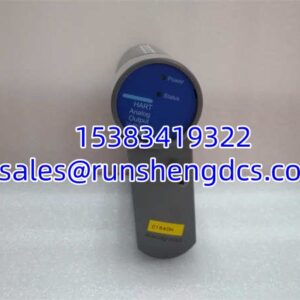
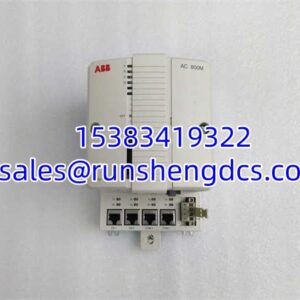
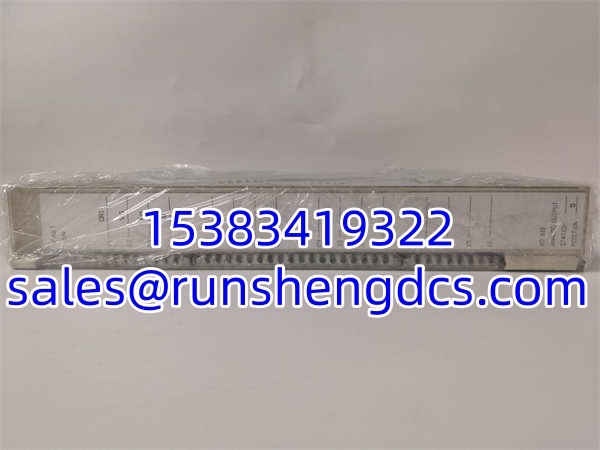
Valves sticking or control loops drifting off-target usually points to a failing output card. The ABB AO610 is a 16-channel analog output module built to drive field actuators with precision. It translates digital logic from the DCS into exact 4-20mA or 0-10V signals, ensuring that control valves and variable frequency drives respond accurately to process demands.
Why does this specific module matter on the plant floor? Because it features built-in HART communication and 12-bit resolution across 16 isolated channels. The ABB AO610 continuously runs self-diagnostics, monitoring process power and detecting open circuits or current drops below 1mA. When a fault occurs, it reports the exact channel error back to the controller. Bottom line—having a tested ABB AO610 in your spare parts cage prevents hours of troubleshooting during a critical process upset.
Troubleshooting Quick Reference
- Single Channel Output Dead: 80% chance it’s a field wiring short or open circuit. Measure voltage at the terminal block. Check if the module’s diagnostic page flags a specific channel fault.
- All Channels Output Zero: 90% chance it’s a backplane power issue. Measure 24V DC at the module’s power pins. Verify the process power supply hasn’t tripped.
- Erratic / Fluctuating Output: 70% chance of EMI or grounding issues. Verify the single-point ground connection. Ensure signal cables are routed away from VFD power lines.
- HART Communication Fails: 60% chance of insufficient loop resistance. HART requires a minimum of 250 ohms in the loop. Check if the receiving device or a barrier has enough resistance.
Application Scenarios & Pain Points
- Chemical Reactor Control: Precise reagent dosing requires flawless 4-20mA signals. The ABB AO610 provides the 12-bit resolution needed for tight control loops. Pain point: A single failed channel can ruin an entire batch, making module-level diagnostics critical.
- Power Plant Boiler Feed: High-pressure steam valves demand instant response. The ABB AO610’s HART capability allows technicians to pull valve stroke data without pulling new cables. Pain point: Legacy DCS modules are aging, and OEM lead times can stretch to 8 weeks.
- Water Treatment Filtration: Flow control valves rely on steady analog outputs. The ABB AO610’s short-circuit protection prevents field wiring faults from taking down the entire 16-channel card. Pain point: Harsh, humid environments degrade backplane connectors over time.
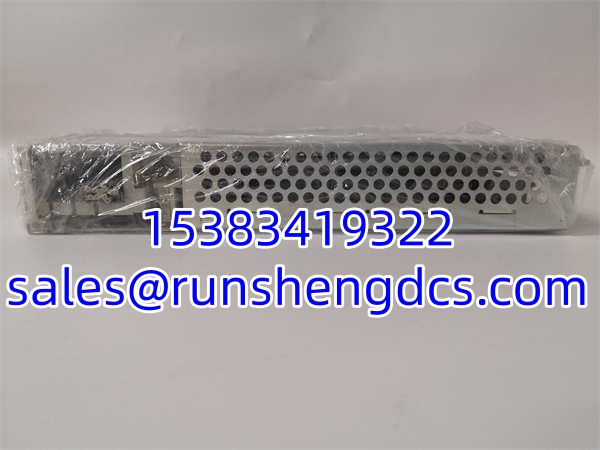
ABB AO610
Compatible Replacement Models
- ✅ Drop-in Replacement: . Always match the exact part number and revision suffix. No software changes needed if replacing like-for-like.
- ⚠️ Software Compatible: . Later hardware revisions of the same module. They will physically fit and communicate, but verify firmware compatibility with your DCS controller. Expect 1-2 hours of engineering time for validation.
- ❌ Hardware Incompatible: ABB AO523. Different backplane pinouts and channel configurations. Do not attempt to force this into an slot. Requires a system redesign and rewiring. Warn your procurement team against mixing these up.