
Description
Key Technical Specifications
| Parameter | Specification |
|---|---|
| Product Model | HE700GEN100C |
| Manufacturer | GE Fanuc (now Emerson Automation Solutions) |
| Device Type | Power Redundancy Module |
| Platform Compatibility | GE Fanuc Series 90-30 / 90-70 PLC systems |
| Power Input Configuration | Dual independent power inputs (primary + backup) |
| Switching Function | Automatic failover — detects primary power loss/instability and switches to backup |
| Monitoring Capabilities | Voltage, current, frequency monitoring on both inputs |
| Diagnostics | Self-diagnostic function with fault indication/alarm output |
| Construction | Industrial-grade materials for harsh environment operation |
| Mounting | Rack-mount (compatible with GE Fanuc PLC chassis) |
| Status Indicators | LED indicators for power status and fault conditions |
| Operating Temperature | Industrial range (verify specific datasheet for exact range) |
| Certification | CE, UL (verify specific certifications for your region) |
| Status | Legacy/discontinued — spare replacement only |
Product Introduction
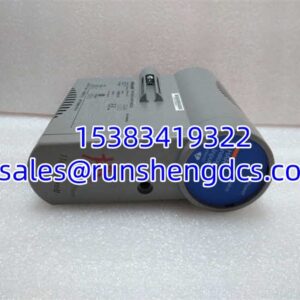
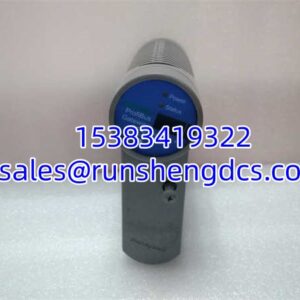
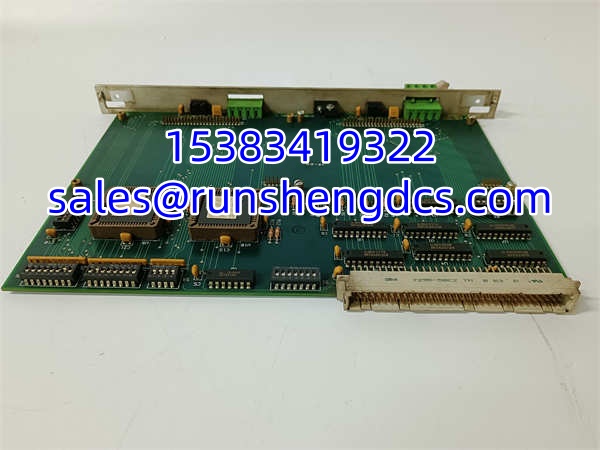
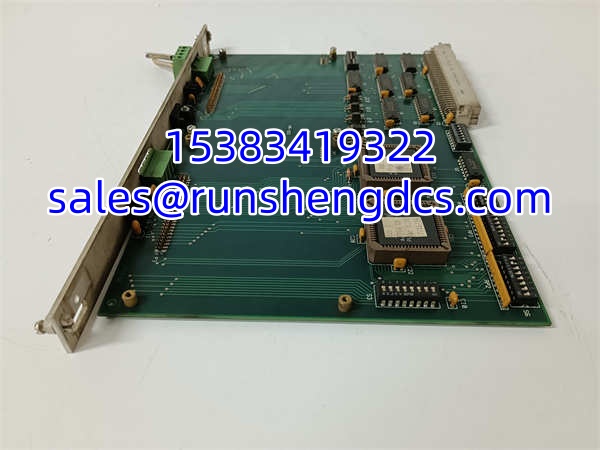
The GE HE700GEN100C is a power redundancy module designed for GE Fanuc (now Emerson) Series 90-30 and 90-70 PLC platforms, providing critical power protection for industrial automation and DCS control systems. Its primary function is to maintain continuous power delivery to the PLC rack by monitoring two independent power sources — a primary supply and a backup supply — and automatically switching to the backup when the primary source fails, drops below acceptable voltage thresholds, or becomes unstable. This automatic failover capability is essential in process industries (oil & gas, power generation, chemical processing) where an unexpected PLC shutdown can trigger costly production losses, safety incidents, or environmental events.
What distinguishes the HE700GEN100C from a simple dual-power-supply setup is its integrated monitoring and diagnostics. The module continuously tracks voltage, current, and frequency on both power inputs, providing real-time status feedback through LED indicators and alarm outputs. The self-diagnostic function can detect internal module faults and alert operators before a redundancy failure occurs. Its industrial-grade construction is rated for operation in harsh environments — high temperatures, vibration, and electrical noise — making it suitable for deployment in refinery control rooms, power plant switchgear rooms, and manufacturing facility electrical rooms. As a legacy GE Fanuc product, it is no longer in active production, so organizations running Series 90-30/90-70 systems must source tested replacements from surplus vendors or plan a migration to Emerson’s current PACSystems platform.
Troubleshooting Quick Reference
- Module Not Switching to Backup Power: Verify the backup power source is live and within the acceptable voltage range. Check the backup power wiring to the module’s secondary input terminals. Use a multimeter to confirm voltage at the backup input connector. If the backup source is valid but switching still fails, the module’s internal switching relay may be faulty — replace the module.
- False Alarms / Intermittent Fault Indications: Check for voltage fluctuations or noise on the primary power source. The module may be detecting brief voltage sags or spikes that cross its fault threshold. Install a power conditioner or UPS on the primary input to smooth out transients. Also verify that the alarm wiring is properly shielded and grounded to prevent noise-induced false triggers.
- No Status LEDs Illuminated: Confirm the module is receiving power on at least one input. Check the primary and backup input fuses/breakers. Verify the module is properly seated in the PLC rack and that the backplane connector is making good contact. If power is present but no LEDs light, the module’s internal power supply or logic board has likely failed.
- Module Overheating: Ensure adequate ventilation around the PLC rack. Check that the rack’s cooling fans are operational. Verify the ambient temperature is within the module’s specified operating range. If the module is running hot under normal load, it may have an internal short or failing component — replace it.
- Alarm Output Not Triggering: Verify the alarm output wiring is connected correctly to the monitoring system or annunciator. Check the alarm output relay contacts with a multimeter in continuity mode while simulating a power failure. If the relay does not actuate, the alarm circuit is faulty.
- Compatibility Issues with PLC Rack: Confirm the HE700GEN100C is compatible with your specific GE Fanuc rack model (Series 90-30 vs. 90-70 have different form factors). Verify the rack’s backplane can support the module’s power draw and that the slot assignment is correct per the GE Fanuc hardware configuration guide.
GE HE700GEN100C
Application Scenarios & Pain Points
- Power Generation (Turbine & Generator Control): The HE700GEN100C protects PLC-based turbine control systems and generator excitation controllers from power interruptions. In a power plant, a PLC shutdown during operation can trigger an unplanned unit trip, costing tens of thousands of dollars per hour in lost generation. The dual-input redundancy ensures the control system stays online even if one power feeder fails. Pain point: As a legacy product, finding tested replacements is increasingly difficult. Plants must maintain spare inventory or migrate to Emerson’s PACSystems platform.
- Oil & Gas Refining (Process Safety Systems): Refineries use the HE700GEN100C to maintain power to safety instrumented systems (SIS) and emergency shutdown (ESD) controllers. These systems must remain operational 24/7 — a power loss could prevent an automatic shutdown during a hazardous condition. The module’s automatic failover and self-diagnostics provide the reliability needed for SIL-rated applications. Pain point: The module’s self-diagnostics are basic compared to modern smart power modules that provide detailed event logging and remote monitoring via Ethernet. Older modules require on-site inspection to diagnose issues.
- Chemical Processing (Batch & Continuous Process Control): Chemical plants rely on the to keep batch reactor controllers and continuous distillation column controllers powered during electrical disturbances. A power interruption mid-batch can ruin an entire production run and create hazardous chemical conditions. The automatic switching happens fast enough (typically milliseconds) to prevent the PLC from resetting. Pain point: The module does not provide ride-through for very brief power sags (sub-cycle events). For facilities with frequent voltage flicker, a UPS should be installed upstream of the redundancy module.
- Water & Wastewater Treatment (SCADA & Pump Station Control): Municipal water treatment facilities use the to protect SCADA controllers and pump station PLCs from power outages. Maintaining continuous operation is critical for public health — a treatment plant shutdown can result in untreated water being distributed. The module’s fault alarms integrate with the plant’s alarm system to notify operators of power issues. Pain point: Many water facilities operate on tight budgets and defer PLC upgrades. The is often the last remaining legacy component in an otherwise modernized system, creating a single point of failure if a replacement cannot be sourced.