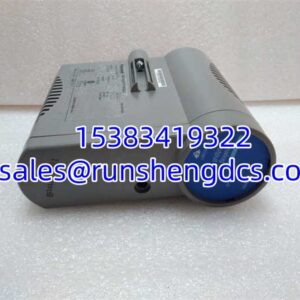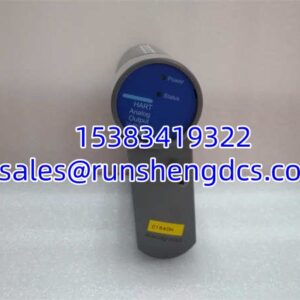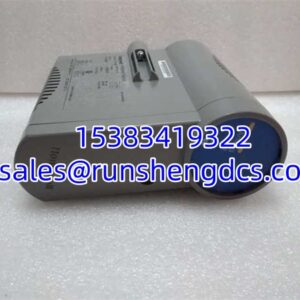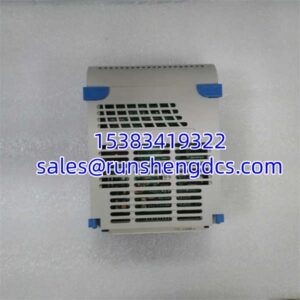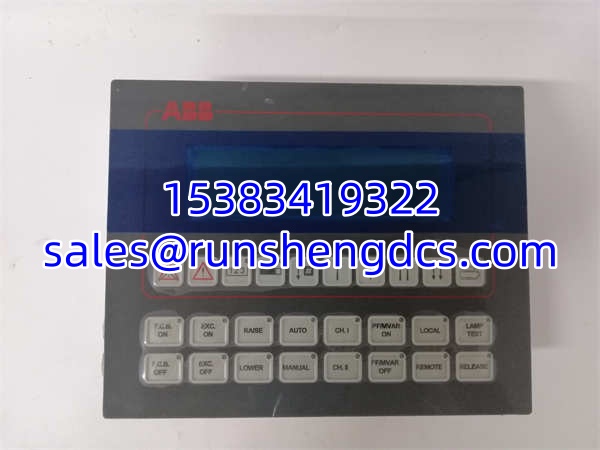

Description
Key Technical Specifications
- Product Model: ABB HIEE200130R0002 AFC094AE02
- Manufacturer: ABB
- Product Type: LCD Operator Panel / HMI
- Communication Bus: ARCnet
- Application: Excitation Regulator / Power Plant Control
- Product Depth: 285 mm
- Product Height: 8 mm
- Product Width: 21 mm
- Net Weight: 1.2 kg
- Mounting Style: Panel Mount / Control Cabinet
- Origin: United States / Sweden (Verify with supplier)
Product Introduction
Flying blind on generator excitation is a fast way to trip a unit or damage the rotor. The ABB HIEE200130R0002 AFC094AE02 is the operator’s window into that critical system, translating raw ARCnet data into readable voltage, current, and reactive power values. It’s not just a screen; it’s the primary control point for manual adjustments during grid disturbances or startup sequences. When this panel goes dark, you’re forced to rely on hardwired backups or, worse, guesswork.
Engineers keep the ABB HIEE200130R0002 AFC094AE02 in spares because LCD backlights and membrane switches have finite lifespans in hot control rooms. The ARCnet interface is electrically robust, but the physical connectors on the back are vulnerable to vibration-induced loosening over 20 years of service. Bottom line — it’s a simple device, but don’t treat it like one. Check the ribbon cable seating and power supply ripple before you condemn the board.
QA/QC Transparency SOP
- Intake & Origin Verification: We verify the ABB HIEE200130R0002 AFC094AE02 against ABB manufacturing records to confirm the HIEE200130R0002 part number matches the excitation panel specifications, ensuring no cross-contamination with unrelated ARCnet devices.
- Live Functional Testing: Each unit is mounted on an ARCnet test bench. We validate the communication handshake, test every membrane button for tactile feedback and electrical closure, and run a 4-hour burn-in to catch early backlight failures.
- Electrical Parameter Tests: Using calibrated multimeters, we verify 24V DC input tolerance and check for internal shorts. Insulation resistance is tested to ensure no degradation from years of high-humidity control room exposure.
- Firmware/Config Verification: We read out the onboard configuration and verify it matches the expected revision for the AFC094AE02. Parameters are cleared to factory defaults to prevent legacy excitation settings from causing control conflicts.
- Final QC & Anti-Static Packaging: After passing all tests, the ABB HIEE200130R0002 AFC094AE02 is sealed in anti-static shielding with desiccant packs. A QC sticker with test date and technician ID is applied before shipping.
Field Engineer Gotchas
- Ribbon Cable Seating: The connects to the controller via a flat ribbon or harness. I’ve seen panels work perfectly on the bench but fail in the cabinet because the ribbon got pinched during installation or the connector wasn’t fully seated. Always reseat the ribbon and check for pinch points before powering up.
- Power Supply Ripple: These panels are sensitive to dirty 24V DC. I’ve seen intermittent resets that looked like a bad panel but were actually a failing power supply with >5% ripple. Measure with an oscilloscope before blaming the HMI.
- ARCnet Termination: ARCnet networks require proper termination at both ends. I’ve spent hours troubleshooting “dead” panels that were actually just missing end-of-line resistors. Always verify your network topology before swapping hardware.
- ESD Sensitivity: The exposed PCB edges on the back are highly sensitive to electrostatic discharge. I’ve seen panels killed instantly by static shock in dry control rooms. Wear a grounding strap. No exceptions.
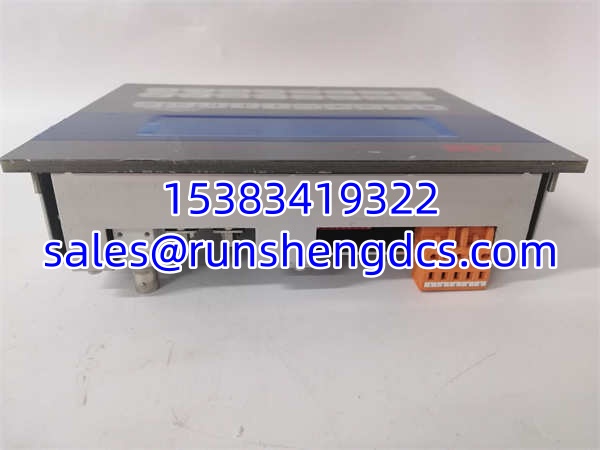
ABB HIEE200130R0002 AFC094AE02
Application Scenarios
- Generator Excitation Control: Providing real-time voltage and reactive power monitoring for synchronous generators in thermal and hydro power plants.
- Legacy Power Plant Upgrades: Maintaining operator visibility on 30-year-old excitation systems where the entire control architecture is obsolete but still operational.
- Industrial Turbine Drives: Monitoring field current and voltage on large synchronous motors in steel mills and compressors to prevent rotor damage.
FAQ
No. This panel is not designed for hot-swapping. Pulling it while powered can arc the ARCnet bus and damage the controller port. Plan a brief outage. It takes 10 minutes. Don’t risk a $10,000 controller to save 10 minutes.
Why is my screen flickering?
Check the 24V DC power supply first. Flickering usually means dirty power or a failing backlight inverter. If the power is clean, the LCD backlight is likely at end-of-life. The backlights typically last 5-7 years in continuous operation.
Do I need to configure anything?
Usually no. The is a dumb terminal. It reads parameters from the excitation controller via ARCnet. Just plug it in and verify communication. If it shows “Comm Error,” check the ARCnet cable and termination.
Can I clean the screen with alcohol?
Use isopropyl alcohol (70% or less) on a soft microfiber cloth. Never spray directly on the screen. Avoid ammonia, acetone, or abrasive cleaners. I’ve seen operators use brake cleaner by accident and melt the overlay in seconds.
What if the buttons don’t work?
Check the ribbon cable connection first. A partially seated connector can cause intermittent button failures. If the cable is good, the membrane switch is likely worn out. The membranes are not field-replaceable. Replace the panel.
Is this panel ESD sensitive?
Yes. The has exposed PCB edges on the back. Wear a grounding strap when handling. I’ve seen panels killed by static shock from a dry winter day. Don’t be that guy.
How do I know if it’s the panel or the controller?
Swap with a known-good panel. If the problem follows the panel, it’s the HMI. If the problem stays with the controller, you’ve got a backplane or CPU issue. The is usually the easier thing to test first.