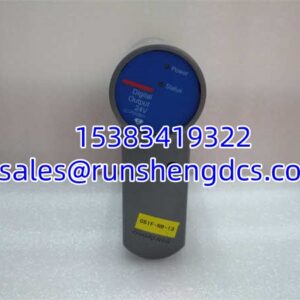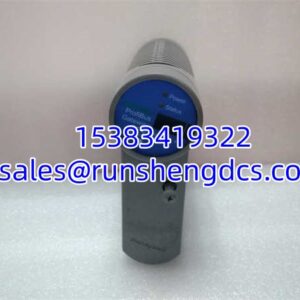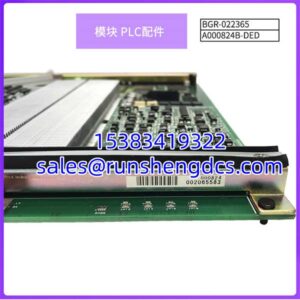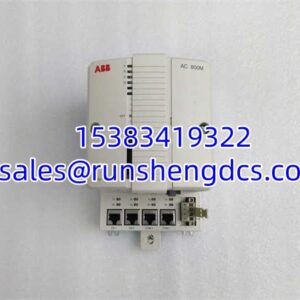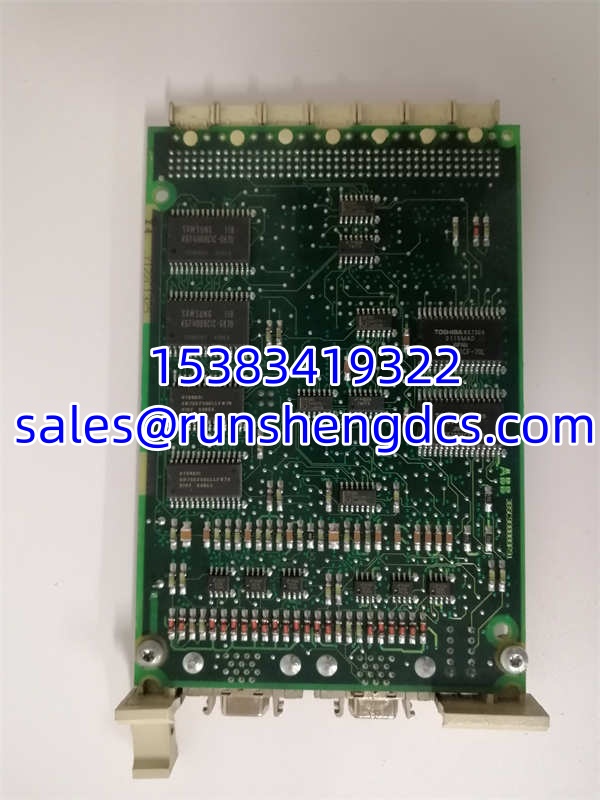

Description
Key Technical Specifications
- Product Model: CI522A 3BSE018283R1
- Manufacturer: ABB
- Product Type: AF100 Communication Interface
- Host Controller: AC 800M (PM8xx series)
- Network Protocol: ABB AF100 Fieldbus
- Redundancy: Supports redundant communication for S800 I/O interfaces
- Dimensions: 265mm (L) x 27mm (H) x 120mm (W)
- Weight: 0.2 kg
- Operating Temp: -40°C to +85°C
- Humidity: 5% to 95%, non-condensing
- Mounting: DIN Rail / Module Slot
Product Introduction
Tracking down a working AF100 interface for a 20-year-old AC 800M system usually means accepting a high price tag and hoping the silicon hasn’t degraded. The CI522A 3BSE018283R1 is the critical translator between your modern AC 800M CPU and the ancient AF100 I/O racks still running your plant. It doesn’t process logic; it just moves bytes, but if it stops, your entire unit shuts down.
Engineers keep spares of the CI522A 3BSE018283R1 because AF100 is officially legacy, and ABB isn’t making these forever. It supports redundant communication for S800 I/O interfaces, which is a lifesaver in harsh environments where a single cable fault can take out a whole skid. Bottom line — it’s a simple, single-purpose device, but don’t let the simplicity fool you; the internal opto-isolators degrade over 15 years of electrical noise, leading to intermittent bus errors that drive control engineers crazy.
QA/QC Transparency SOP
Legacy comm modules are the highest-risk components in any control system. Every CI522A 3BSE018283R1 undergoes a rigorous validation process:
- Intake & Origin Verification: We verify the 3BSE018283R1 order code against ABB’s historical manufacturing records and inspect the PCB for signs of rework or counterfeit components.
- Live Functional Testing: The module is installed in a live AC 800M test rack with a CI522A partner module. We run a continuous AF100 token-passing test at max baud rate; if we see a single CRC error or token loss, it’s rejected.
- Electrical Parameter Tests: Using a calibrated multimeter, we verify the 24VDC input regulation and check for excessive current draw that would indicate failing internal components.
- Firmware/Config Verification: We read the onboard firmware revision and compare it against the customer’s existing system version to prevent compatibility issues.
- Final QC & Anti-Static Packaging: The module is cleaned, the D-sub connector is inspected for bent pins, and it’s sealed in an anti-static bag with a printed test report.
Field Engineer Gotchas
- Firmware Rev Mismatch: Do not assume a newer CI522A 3BSE018283R1 will work in an older AC 800M chassis. War story: Installed a “newer” module, got a solid red comm fault, and spent six hours realizing the host CPU needed a firmware patch to recognize the new interface. Always match the exact revision.
- Termination Resistor: The does not have internal termination. Warning: If you plug this into the end of a bus segment without an external 120Ω/0.5W resistor across pins 3 & 8, you will reflect signals and crash the entire network. I’ve seen panels where someone forgot the terminator and blamed the new module for three days.
- Wiring/Terminal Block Incompatibilities: uses a specific twisted pair with shield. Verify the A/B/Shield wiring with a multimeter before applying power. Standard RS-485 cable might work for 10 meters, but at 50 meters with VFD noise, you’ll get packet loss. Use the ABB-specified TK810 or equivalent.
- ESD Risks: The internal processors are highly sensitive to electrostatic discharge. Always use a grounded wrist strap. I’ve seen technicians ruin perfectly good boards just by sliding them across a nylon bag.
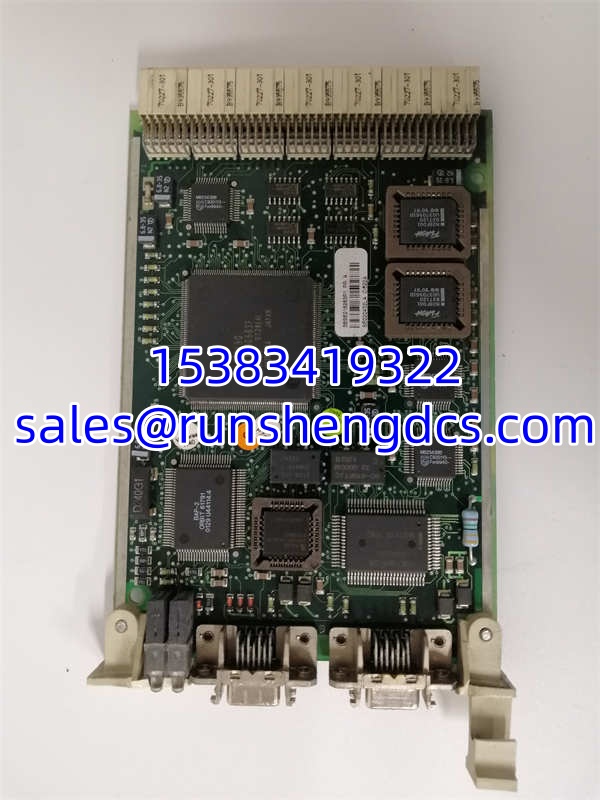
ABB CI522A 3BSE018283R1
Application Scenarios
- Legacy Power Plant DCS: Executing real-time boiler control logic in 30-year-old power generation facilities where a full system migration is not yet budgeted.
- Pulp & Paper Mill Control: Managing continuous process control for paper machines and digesters using the original AC 800M hardware.
- Mining & Mineral Processing: Running concentrator and mill control systems in harsh, dusty environments where the ’s rugged design is still operational.
- Real-World Case Study: A pulp mill experienced a catastrophic comm module failure during a scheduled outage, with no spare on site. We provided a tested replacement within 24 hours. The module was installed, the existing program was downloaded, and the mill was back online within the planned outage window, avoiding an estimated $50,000/day in lost production.
FAQ
No. uses a specific twisted pair with shield, and the impedance is critical. Standard RS-485 cable might work for 10 meters, but at 50 meters with VFD noise, you’ll get packet loss. Use the ABB-specified TK810 or equivalent industrial bus cable.
Why is my COM LED flashing red?
That’s a bus error. Usually bad termination, a shorted shield, or a failing node dragging the bus down. Disconnect the and measure resistance between A and B; should be 60Ω (two 120Ω in parallel). If it’s open or shorted, trace the cable.
Is this module hot-swappable?
Technically, the AC 800M supports it, but doesn’t like it. I’ve seen token crashes when pulling a live . Plan a 5-minute maintenance window. It’s not worth crashing the unit to save 5 minutes.
What’s the max cable length?
At 1.5 Mbit/s, you’re limited to 200 meters. At 500 kbit/s, you can go 800 meters. If you need more, you need a repeater (RP521). Don’t try to stretch it; is unforgiving with signal reflections.
Do I need to configure this in Control Builder?
Yes. You must add the to the hardware tree, set the Node ID to match the DIP switches, and assign the bus parameters. If the Node ID in software doesn’t match the physical switches, the module will sit there with a red light, mocking you.
Can I repair the D-sub connector?
You can, but don’t. The PCB traces are fragile. If the connector is loose, replace the module. A bad solder joint on a comm module is a ticking time bomb.